-
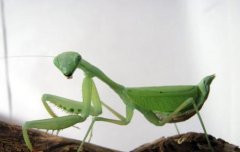
Can you raise a baby mantis yourself? A detailed guide to mantis rearing methods
Using fruit flies to rear baby mantises - have you ever heard of this method of rearing mantises? If you want to learn this ecological rearing method, then let's take a look together. Predatory natural enemies are part of the predatory food chain, such as the mantis stalking the cicada while the oriole watches from behind.
-

Detailed Explanation of Vinegar Making Methods and Fruit Fly Control Techniques
Do you know how to make acetic acid? And do you know anything about fruit fly control methods? If not, let's take a look together below. I. Acetic Acid Making Method Purpose of use: Pouring into soil has the effect of suppressing nematodes; spraying on leaves has a fertilizing effect and also has repellent and sterilizing functions.
-
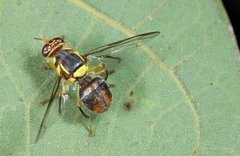
Three-Pronged Approach to Fruit Fly Control: Trapping and Orchard Cleanup Combined with Biological Control to Reduce Damage
As summer approaches, temperatures rise, and the Oriental fruit fly (Bactrocera dorsalis) begins to stir into action. Not only are the public's favorite mango and guava easily affected, but the red date (jujube), often used for warming tonics, is also a favorite food of fruit fly larvae. The Miaoli District Agricultural Research and Extension Station reminds that red dates, unlike general
-
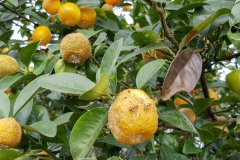
How do you control fruit flies? Clean up fallen fruit and combine with traps to reduce the population
As temperatures gradually rise, fruit fly populations gradually increase, causing damage to fruit crops such as wax apples and mangoes. Huang Yubin, an associate researcher at the Taiwan Agricultural Research Institute, said fruit flies lay eggs inside fruit crops such as guavas, causing losses for fruit farmers. Currently, across Taiwan, the highest
-
What are the control methods for the Oriental fruit fly (Bactrocera dorsalis)?
[Morphological characteristics] The adult is 6-8 mm long with a wingspan of 16 mm, and the whole body is alternately dark black and yellow. The thorax has a total of 11 pairs of bristles, mostly yellowish-brown, including 2 pairs of scapular bristles, 2 pairs of dorsocentral bristles, 1 pair of presutural bristles, 2 pairs of postsutural bristles, 1 pair of mesopleural bristles, 1 pair of pteropleural bristles, 1 pair of prescutellar bristles, and 1 pair of scutellar bristles. The abdomen is oval, with 4 segments in males and 5 segments in females. The ovipositor is well developed, but its length is less than half of the abdomen, and the narrow posterior portion is shorter than the fifth abdominal segment. The egg is spindle-shaped, slightly pointed at one end, slightly curved, about 1 mm long and about 0.1 mm wide, milky white. Larva: the first-instar larva is 1.2-1.3 mm long, the second instar is 2.5-5.8 mm, and the third instar is 7.0-11 mm. The first-instar larva is semi-transparent, the second and third instars are milky white, and the mature larva after the third instar is orange-yellow. The body is conical, small and pointed at the front end, the mouth hooks are black, and the button-shaped structure on the inner side of the spiracular plate is relatively large and obvious. The pupa is oval, about 5 mm long and about 2.5 mm wide, light yellow.
-
What are the control methods for citrus fruit flies?
The citrus fruit fly is a major pest harming citrus fruit. After the fruit is damaged, it softens, turns yellow, rots and drops. When the infestation is severe, it can cause the orchard to have no harvest at all. It can be seen year-round, with July to October as the peak period of damage, and there is no overwintering phenomenon. The female lays eggs in ripe
-
Mango Pests and Diseases: Control Methods for the Oriental Fruit Fly
(1) Damage Also known as the oriental fruit fly, mango fruit fly, fruit maggot, yellow fly, etc. Adults lay eggs inside the skin of nearly ripe fruit; after hatching, the larvae feed on the flesh, causing fruit splitting, rotting and dropping. The surface of infested fruit remains intact, but on close inspection there are pin holes; when pressed by hand, juice oozes out, and when cut open
-
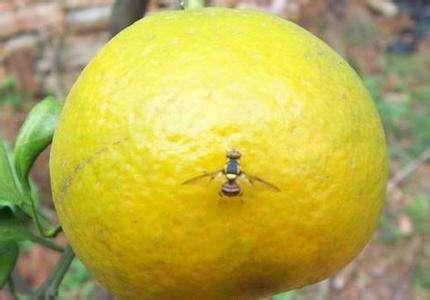
To control the oriental fruit fly in persimmon orchards, it is necessary to understand its occurrence and damage characteristics and the key points of prevention and control techniques
Occurrence and damage characteristics of the oriental fruit fly in persimmon orchards and key points of prevention and control techniques 1 Basic information on the oriental fruit fly The oriental fruit fly (Bactrocera dorsalis Hendel), also known as the citrus fruit fly, oriental fruit fly, fruit maggot, etc., belongs to the order Diptera...
-
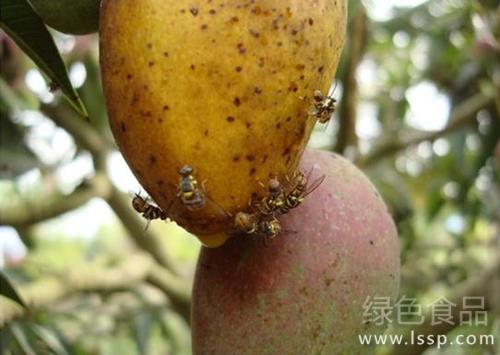
Mango fruit fly parasitizes the flesh, making the fruit lose its commercial value; how to control it?
How to control mango fruit fly when it parasitizes the flesh and the fruit loses commercial value
-
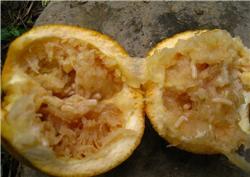
What are the control methods for the Chinese citrus fruit fly?
What harm does the Chinese citrus fruit fly cause? How do you control the Chinese citrus fruit fly? We also ask experienced netizens to help explain. The Chinese citrus fruit fly is commonly known as citrus maggot, and infested fruit is called maggot fruit. It generally begins to occur during the citrus fruit-swelling stage, so Zhongdiwang has compiled the harm and control methods of the Chinese citrus fruit fly, listed in detail below for netizens...
条件筛选