-
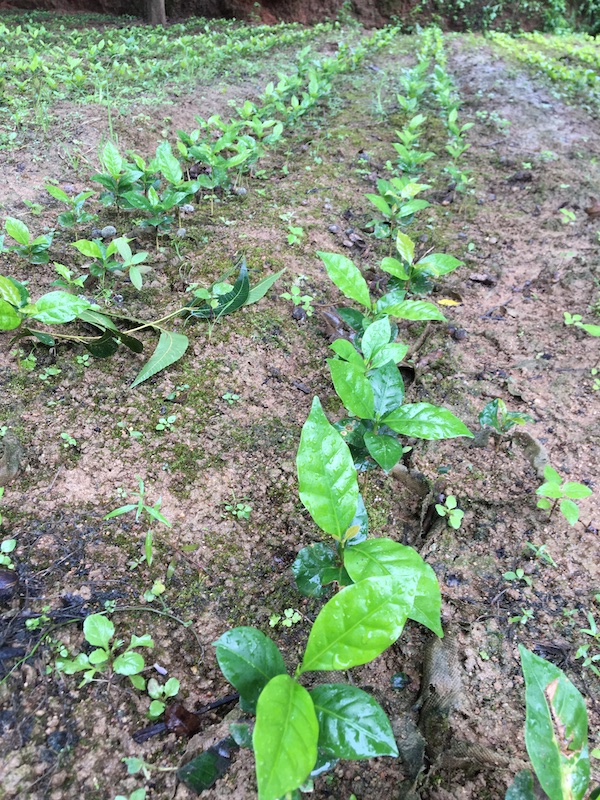
How is coffee planted?From Seed to Cup: Where in the world can coffee grow?
For coffee practitioners, nothing is more important than growing coffee to complete the process from seed to cup. Coffee can be grown in most parts of the
-

Where does textile raw material wool come from? What is the market price per jin? What types are there? How is it different from wool fleece? How can you tell real from fake?
Wool is the hair on sheep, and because it can be processed into wool sweaters, wool quilts, wool blankets and other textiles, sheep are widely raised for it. So where does wool come from? What is the market price per jin? What types are there? How is it different from wool fleece? How can you tell real from fake? Origin introduction
-
Where exactly did African swine fever come from? Understanding the source in one article
Regarding the African swine fever outbreaks that keep appearing within China, the Ministry of Agriculture and Rural Affairs clearly stated today that China's African swine fever outbreaks were introduced from abroad, and that for some time to come the disease will still show a pattern of scattered, isolated cases, but a regional explosive epidemic is unlikely.
-
Where Polyporus umbellatus comes from, seed prices, per-mu dosage and sowing methods
Polyporus umbellatus, also known as Zhu Fuling, Shiling, Fen Zhuling, Jiazhu Shi, Shituo and so on, is a medicinal fungus cultivated in most parts of our country. Because it has diuretic effects for treating edema, anti-cancer effects and other benefits, it is widely used in medicine. At present the price is a little on the expensive side, but to grow fungi well, you
-
Where does Gastrodia elata come from? The benefits of drinking it as an infusion and four types of food it can be stewed with
As the saying goes, Gastrodia elata grows immortal legs, which shows that Gastrodia elata can treat numbness in people's legs. Not only that, Gastrodia elata can also relieve pain, improve eyesight, protect the heart, and more, so its medicinal value is extremely high. Many people like to stew it with black-boned chicken, duck, and so on, to achieve physical strengthening
-
Where do mangoes, the king of tropical fruits, come from? A detailed guide to growing them in pots
Mango, also known as mamuang, is a tropical fruit native to India. It is deeply loved for its rich nutritional elements and delicate flesh, and is known as the "king of tropical fruits." So where do mangoes come from? What are the methods for growing them in pots? 1. Introduction to mango:
-
What melon do black seeds come from? Where are the main producing areas located?
Every time the Chinese New Year comes around, the table is filled with seeds of all colors, such as white seeds, sunflower seeds, black seeds, and so on. What we are talking about today is black seeds, which in the author's hometown are called watermelon seeds, and they come in many flavors. So what melon exactly are black seeds
-
Where is the place of origin of Sichuan Qingcui plum?
Qingcui plum is also called Bashan crisp plum. Every year at the end of May and the beginning of June, Qingcui plums hit the market, and many growers exclaim over the high economic benefits of this variety. Because of its competitive advantage in the market, many places have begun to plant Sichuan Qingcui plum. So where does Sichuan Qingcui plum come from? Sichuan Qing
-
Where does the food on your table come from? Let's go see the places where it's grown
If you care about the dish on your table, come along to where it's grown!
-
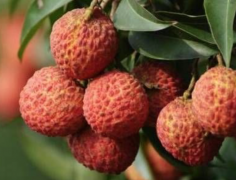
Red Hydrangea Lychee: Seedling Sources, Variety Characteristics and Key Cultivation Techniques
Red Hydrangea Lychee, this lychee comes from Dalang Town, Dongguan City. Its peel color is very red, and the fruit shape is very round, so it is called Red Hydrangea Lychee. So what characteristics does this coffee variety have? Characteristics: late maturing, medium tree vigor, branches slightly weak, fruit short heart-shaped, fruit shoulders raised, fruit stalk relatively thick, fruit apex rounded, flesh yellow-waxy in color, juicy, with a honey flavor, thick peel, bright color, few cracked fruits, high rate of aborted seeds, spherical fruiting. High and stable yield, high edible rate. 100 milliliters of juice contains vitamin C 26.0-30.0 mg, titratable acid 0.15-0.20 g, glucose 12.5 g, sucrose 5.15 g, soluble solids 18.1-21.5%.
条件筛选