-

Is Cuban oregano (touch-me-not scented plant) toxic? Explaining the causes of yellowing leaves in potted cultivation
also be used to make tea, brew soup and so on, so it has quite a few uses. Let us take a look below at <strong>Is Cuban oregano toxic? Why do potted plants show yellowing leaves?</strong></span></p> <p style="text-align: center;"></p> <p style="text-indent:2em;"><strong>1. Is Cuban oregano toxic?</strong></p> <p style="text-indent:2em;">Cuban oregano is not toxic and can emit an inviting fragrance, as fresh as mint and carrying a faint apple scent. Cuban oregano is a small potted plant that can be both viewed and enjoyed for its scent, with an aroma like mint yet slightly appley. It refreshes the mind, clears heat and relieves summer heat, and repels mosquitoes. Cuban oregano can be kept indoors. Except for some friends who are allergic to the scent, everyone else can safely grow Cuban oregano at home; it can freshen the air and give off a faint fragrance.</p> <p style="text-indent:2em;"><strong>2. Why do potted Cuban oregano plants show yellowing leaves?</strong></p> <p style="text-indent:2em;">1. Too much watering</p> <p style="text-indent:2em;">Overwatering is a mistake many flower lovers make; too much water easily causes root rot. So first you need to check whether you have watered too much. Cuban oregano does not tolerate water; too much water causes root rot, and rotten roots make the leaves turn yellow.</p> <p style="text-indent:2em;">Cuban oregano likes to grow in dry soil, so when cultivating it the soil needs to be kept alternately dry and moist; on rainy days reduce or stop watering as much as possible, because soil that is too dry or too wet can both easily cause the plant's roots to rot.</p> <p style="text-indent:2em;">In late autumn, when the temperature gradually drops, gradually reduce the frequency of watering Cuban oregano, and water appropriately when the soil surface looks dry. You can also let it get a little rain. At ordinary times it still needs to be kept in sunlight. Moreover, plants placed in the open air clearly grow better than those indoors.</p> <p style="text-indent:2em;">When the temperature is below zero, do not water. When the temperature is too low, at this time both day and night it must be covered well with plastic sheeting or plastic bags, and watering is forbidden. If it is placed in the open air, let it get some sun during the day, and at night something must cover it, otherwise it will freeze to death overnight.</p> <p style="text-indent:2em;">2. Improper fertilizing</p> <p style="text-indent:2em;">Potted Cuban oregano has limited soil, and the fertility of the soil alone is certainly not enough, so it needs fertilizing. However, too much fertilizer or a lack of fertilizer can both cause the leaves to turn yellow. Too much fertilizer causes fertilizer burn; too little fertilizer means insufficient nutrients.</p> <p style="text-indent:2em;">During its growing stages Cuban oregano does not need much fertilizer; we do not need to fertilize it deliberately, and we should keep the fertilizing frequency at about once a month. By all means avoid too much fertilizer, which causes root burn.</p> <p style="text-indent:2em;">3. Natural causes</p> <p style="text-indent:2em;">As time goes on, the stems of Cuban oregano gradually become woody, and the surrounding leaves also turn yellow and gradually wither; this is normal, and after withering new branches gradually grow.</p> <p style="text-indent:2em;">4. Insufficient light</p> <p style="text-indent:2em;">Cuban oregano loves sunlight and is slightly shade-tolerant; its suitable growing temperature is about 5°C to 10°C. We need to place it in an environment with abundant sunlight for care, so only under strong light will the fleshy leaves of Cuban oregano be thick.</p>
-
When do Korla fragrant pears usually ripen?
Korla fragrant pears ripen in September every year, and around September 20 is when they taste best. Korla fragrant pears are generally propagated by grafting, bear fruit five years after planting, and enter full production after 10 years. So what are its planting and management techniques? Korla
-
When do Korla fragrant pears normally ripen?
Korla fragrant pears ripen in mid-to-late September. The Korla fragrant pear has a round-oval or spindle-shaped fruit, a yellow-green skin with striped dark red blush on the sun-facing side, and white flesh. Because of its pleasing color, sweet and smooth taste, rich fragrance, thin skin and fine flesh, crisp and refreshing texture
-
What are the latest points to note when growing fragrant pears
The fragrant pear (Pyrus sinkiangensis) is a variety of pear with thin skin, abundant juice and a crisp texture, which makes it a very popular fruit on the market. At present, fragrant pear cultivation has not been widely popularised, and it is mainly distributed in China's Xinjiang region. Today we are going to
-
How to Grow Fragrant Pear? A Detailed Explanation of the Latest Key Cultivation Techniques
Fragrant pear is also called big-head pear, and it is called fragrant pear because of its unique fragrance. The skin of the fragrant pear is very thin, the flesh is delicate and juicy, and it is sweet and refreshing; it is a premium variety among pears. Eating fragrant pears regularly has a great regulating effect on the human heart, and it also
-
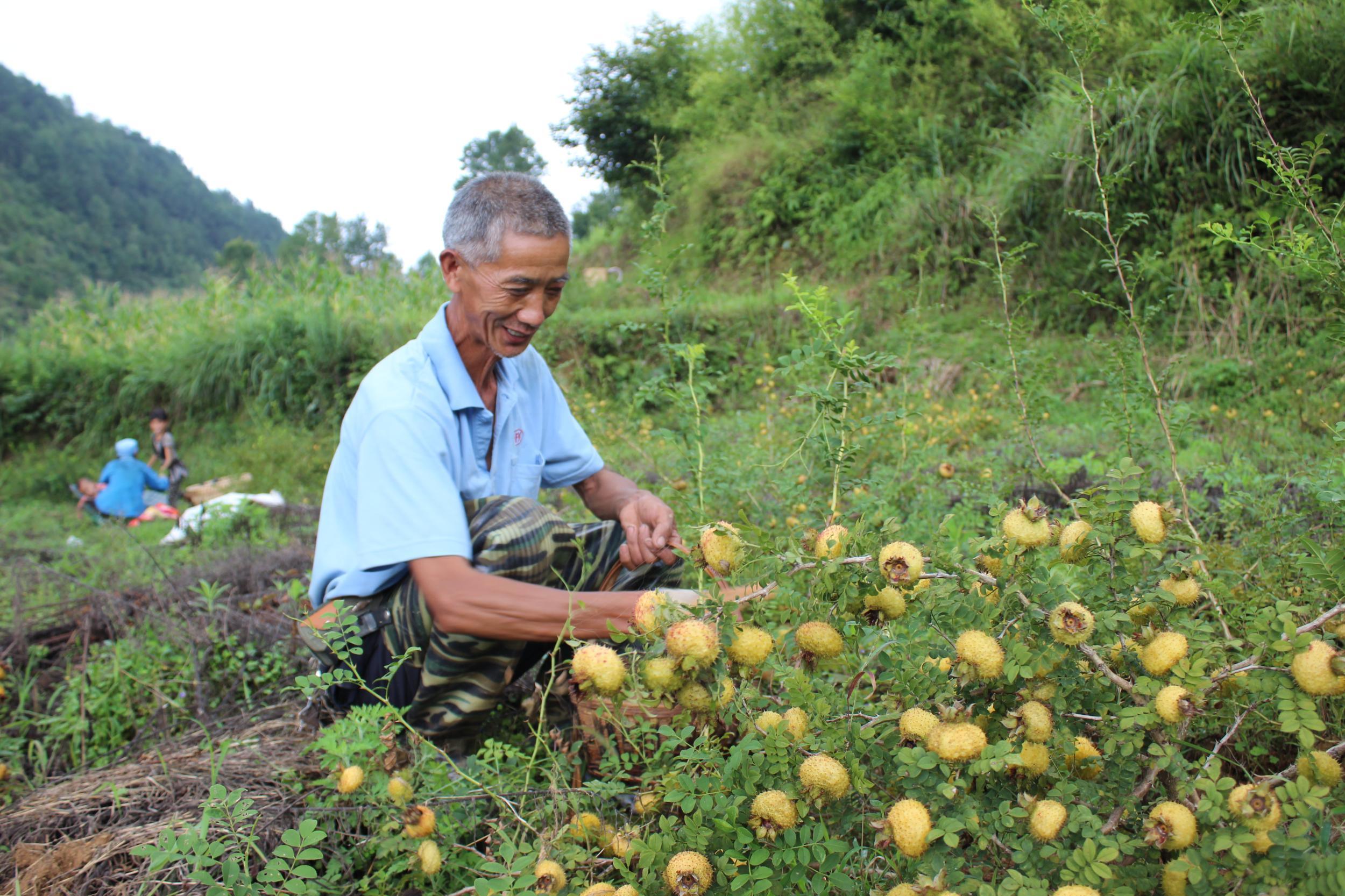
A wild fruit unique to southern China with a taste like fragrant pear, truly worthy of the title King of Vitamin C
With the development of society, people's material life has become increasingly rich. Take eating fruit as an example: various imported cherries, avocados, durians and the like, once rarely seen, have now become "regulars" on the dining tables of city dwellers. Rural friends...
-
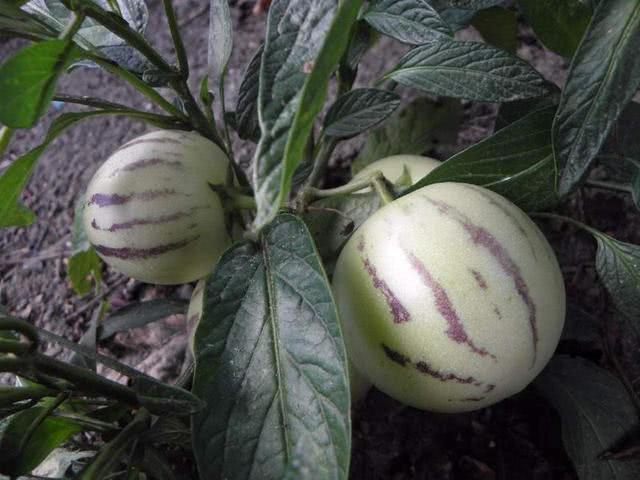
Pepino melon is also known as pepino, longevity fruit, phoenix fruit, brilliant fruit, immortal fruit, and fragrant pear.
Pepino melon (a fruit of the Solanaceae family), whose original name is pepino, has the scientific name Solanum muricatum Aiton. Also known as longevity fruit, phoenix fruit, and brilliant fruit, it originates from South America...
-

How to Grow Fragrant Pears? Detailed Guide to Planting Methods and Cultivation Techniques
How to Grow Fragrant Pears
-
Why Are Fragrant Pears So Precious? You'll Understand After Reading This
Korla fragrant pears have a history of more than 2000 years. Their shape is like a spindle, and the skin is bright and glossy, with a faint blush amid the emerald green, making them pleasing at first sight. Fragrant pears have thin skin and high water content, so great care must be taken during harvesting. If the picker's nails are long and slightly scratch the pear during picking, such pears cannot be sold as commercial pears. To avoid bruising more fragrant pears, ripe fragrant pears are best picked immediately. Before packaging, fragrant pears must also be graded. Special-grade pears are those above 120g, first-grade pears are those above lO
-
The peel-off fragrant pear is a distinctive pear variety originating from the cold northern region.
In the past, we only knew that peaches could be peeled and eaten, and had never heard that pears could be peeled too. But now, Wang Shuyuan, an old horticulturist from Youyi County, through years of unremitting efforts, has crossbred and developed the Fragrant Pear (code name 12-7) whose skin can easily be peeled off entirely, and it is also of superior quality, cold-resistant and high-yielding. The 12-7 pear fruit is gourd-shaped, ripens on September 11, with yellow skin and a red blush on the sunny side, weighing 50-80 grams per fruit, with the largest reaching 150 grams. When first ripe it is of the sweet and crisp type; once it turns soft and fragrant, not only is peeling it easier than peeling a peach,
条件筛选