A wild fruit unique to southern China with a taste like fragrant pear, truly worthy of the title King of Vitamin C
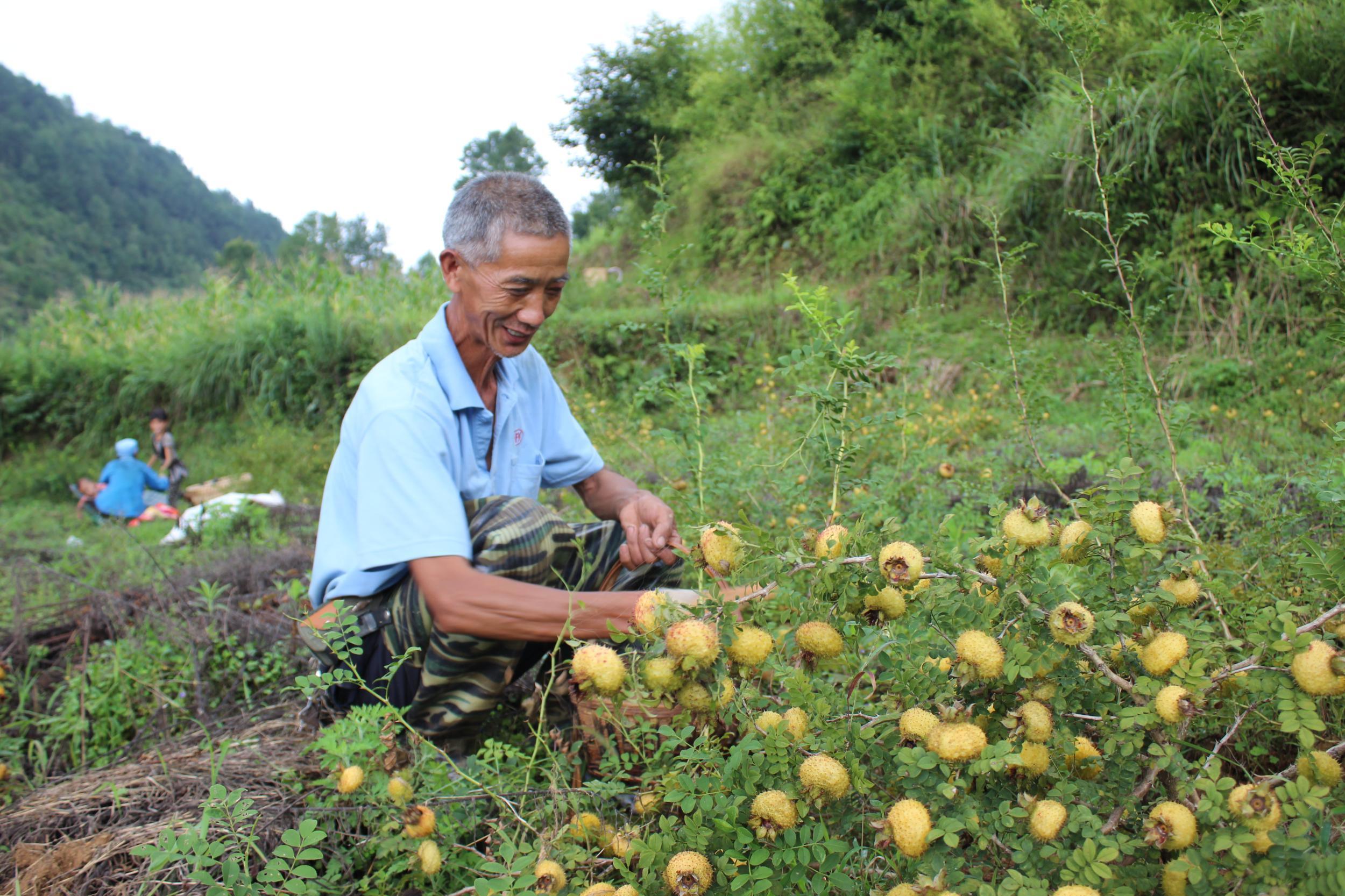
With the development of society, people's material life has become increasingly rich. Take eating fruit as an example: various imported cherries, avocados, durians and the like, once rarely seen, have now become "regulars" on the dining tables of city dwellers. Rural friends may not eat imported fruit all that often, but there is one kind of fruit they eat frequently, and many city dwellers have never tasted it. This fruit is a wild fruit unique to the countryside; older city dwellers may have eaten it, but young people today have never even seen it.
In the mountainous areas of southern China, in the countryside around the Yunnan-Guizhou Plateau, there is a wild fruit found only in the south. It looks like a golden spiky ball, with its outer skin covered in thorns. Yet the taste of this wild fruit is unexpectedly crisp, with a rich fragrance, and eating it gives a mouthfeel like a fragrant pear. For this reason, this wild fruit is called "cili" (Rosa roxburghii, the chestnut rose). In Guizhou, people call it golden fruit or thorny pineapple; it is not only a delicious wild fruit, but also, because of its extremely high nutritional content, especially its extremely high vitamin C content, it is called the "King of Vitamin C."
The vitamin C content of Rosa roxburghii is the highest among fruits, making it the champion of fruits, dozens of times higher than the second-ranked jujube and the third-ranked kiwifruit. In every 100 grams of Rosa roxburghii, the vitamin C content is as high as 3000-5000 mg; eating it regularly can strengthen the human body's resistance and has a good preventive effect on scurvy. In addition, Rosa roxburghii also contains relatively high amounts of vitamin B1, B2, E and carotene, which can effectively relieve beriberi, oral inflammation, night blindness and other conditions caused by vitamin deficiency. Locally, people process Rosa roxburghii into juice or fruit wine; drinking it regularly has a very good effect in strengthening the stomach and aiding digestion, and in astringing and stopping diarrhea.
Rosa roxburghii has such high nutritional value, yet it is not a commonly seen fruit for the general public, mainly because it is covered in thorns and is too troublesome to eat. Its thorns are very hard and prick the hands easily, the fruit is small, and peeling it is troublesome, which makes it unfavorable for promotion across the country. So apart from the Yunnan-Guizhou area, it is hard to eat fresh Rosa roxburghii fruit elsewhere, which is a pity. However, it is said that in Guizhou a fruit-type Rosa roxburghii with fewer thorns, thicker flesh, larger fruit and greater sweetness has already been cultivated. Some farmer friends have turned the fruit-type Rosa roxburghii into a pick-your-own orchard, combining picking with sightseeing, and have achieved good economic returns.
Besides the high value of its fruit, Rosa roxburghii is a treasure from head to toe. Ancient texts record: "Rosa roxburghii, sweet, sour and astringent, stops dysentery; its root treats toothache, flooding and leukorrhea with ease; the red flower, sweet and neutral, stops diarrhea; its leaves treat scabies, incised wounds and dysentery." The root, flower and leaf of Rosa roxburghii all have medicinal value; it is a new type of fruit that is both medicine and food. Have you ever eaten it?