-
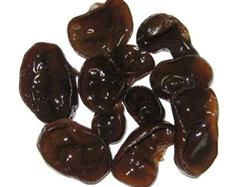
What are the causes of deformed black fungus (wood ear mushroom) during cultivation?
Why does black fungus become deformed? Is there any way to prevent and control it? Please advise. The common deformities of black fungus include fist-shaped ears, tumor-like ears, yellow-white ears and single-sheet ears. Detailed descriptions and control methods are listed below: 1. Fist-shaped wood ear. Symptoms: the primordia do not differentiate and the ear sheets do not grow, while the spherical primordia gradually enlarge...
-
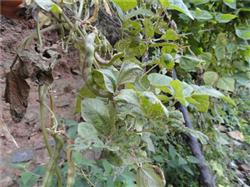
Why do deformed pods appear in kidney bean cultivation?
Why are kidney beans deformed? Please explain the causes and control methods. Deformed kidney beans mainly show up on the pods, mostly appearing as a "curved hook." The causes of deformed kidney beans are as follows: First, spraying with chemicals to which kidney beans are sensitive. Kidney beans are sensitive to chemicals containing mancozeb, zineb or diethofencarb, such as applying...
-
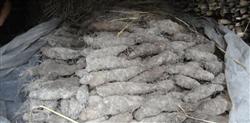
Why do yams grow deformed? An analysis of cultivation technique causes
Why are the yams dug up from planting deformed? What causes yam deformity? What methods can prevent yam deformity? Please help us figure this out - there are mainly several causes of yam deformity, such as the yam seed material used, the soil quality of the planting site, and also the yam...
-
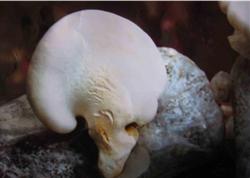
What causes deformed white lingzhi mushrooms?
Why are white lingzhi mushrooms deformed? Please explain the causes. Deformed white lingzhi mushrooms lower the grade of the product, and some even lose their commercial value, seriously affecting the economic returns of growers. The main cause of deformed mushrooms is that the external cultivation environment conditions do not match the growth requirements of the white lingzhi mushroom itself....
-
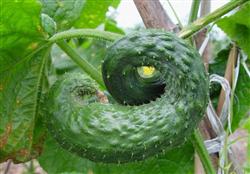
Causes of Deformed Cucumbers and Key Cultivation Techniques
What causes deformed cucumbers? We ask our friends to help explain. In cucumber cultivation, deformed cucumbers often occur, seriously affecting growers' economic returns. Below we introduce the causes of various deformed cucumbers for your reference. 1. Curved cucumber: when stems and leaves are too dense, row spacing is narrow, ventilation and light penetration are poor, fertilizer is insufficient...
-
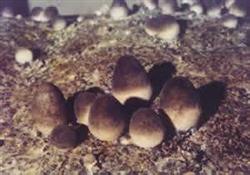
What to do when Pleurotus nebrodensis mushrooms grow deformed? Introduction to practical solutions
Help wanted: what methods can increase the yield of straw mushrooms? Farming Network teaches you three methods to increase straw mushroom yield: secondary inoculation - adopting a secondary inoculation measure helps increase straw mushroom yield. Straw mushroom mycelium grows too fast and ages very easily, which weakens its vitality and prevents it from effectively using the nutrients in the substrate to continue...
-
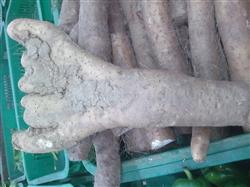
How to Prevent Deformed Chinese Yam? A Detailed Guide to Practical Methods
How to prevent deformed Chinese yam? Please provide guidance methods. During the cultivation of Chinese yam, due to the influence of adverse environmental conditions, cultivation measures, management methods and other factors, changes occur in the internal tissue structure of Chinese yam during its growth process, thereby producing various bizarre shapes, such as branching at the upper end of the tuber, branching at the lower end, ...
-
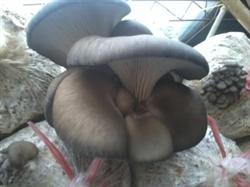
What types of deformed oyster mushrooms are there? Detailed explanation of prevention and control methods
Deformed mushrooms are a relatively common physiological disorder in oyster mushroom production, seriously affecting the yield and quality of oyster mushrooms, and even causing them to completely lose their commercial value. This disorder is mainly caused by improper management, and in a few cases by spawn degeneration, mutation, or viral infection. The main types of deformed mushrooms include: 1. Tall-stemmed mushroom, with a small cap...
-
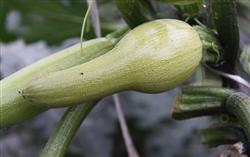
What causes deformed fruit in zucchini
What causes deformed fruit in zucchini? How should it be prevented and controlled? When zucchini produces deformed fruit, the causes are as follows: insufficient water and fertilizer. Insufficient water and fertilizer in the early fruit-setting stage easily forms pointed-tip fruit, insufficiency in the middle stage easily forms narrow-waisted fruit, and insufficiency in the late stage easily forms slender crooked-stem fruit. However, excessive fertilizer and water in the middle stage easily forms big-bellied fruit. Poll...
-

The potted plant downstairs at the office has transformed completely - it's no longer the eyesore it used to be.
It's been a while since I've introduced any flowers, so April will take three cups as penance first~ Speaking of the flower material I'm introducing today, when April first saw it at the flower market, the owner told me the red ones are called red anthurium, the pink ones are pink anthurium, the green ones are green anthurium... What a naming...
条件筛选