-

-
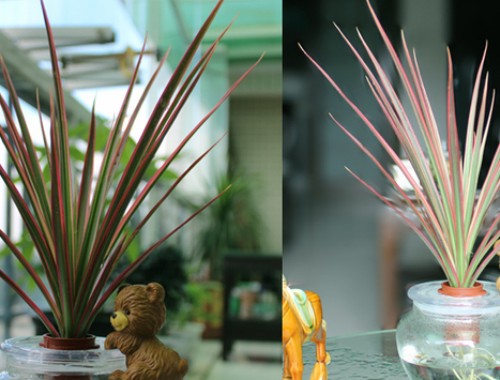
Which bonsai plants are recommended for removing formaldehyde in the bedroom?
The bedroom is a place for people to sleep and rest, so it is best to create a quiet and beautiful atmosphere. Large flowering plants should not be placed in the bedroom. Although plants produce oxygen, at night without photosynthesis they instead absorb oxygen, which is not good for the human body. Also, fragrant flowers should not be kept, as the floral scent stimulates the nerves and affects sleep quality.
-
Monstera deliciosa care methods and its air-purifying, formaldehyde-absorbing benefits
Use Klasmann 5-40mm grade imported peat that is loose, well-draining and well-aerated. Break up the peat, add water and mix well (standard for adding water: after mixing, squeeze a handful of peat tightly and water should seep out between your fingers), then plant in pots. For potted Monstera deliciosa, a mix of equal parts leaf mold, garden soil and river sand is usually used as the growing medium.
-
How to grow pothos: it can absorb formaldehyde and improve air quality
Pothos is easy to propagate, vigorous and easy to grow. From the offices of the White House in the United States to ordinary poor households, its presence can be seen everywhere. It belongs to the easier-to-grow category of foliage plants. As a plant from the tropics and subtropics, pothos prefers a hot and humid environment, with the optimal growth temperature between 20°C and 30°C
-
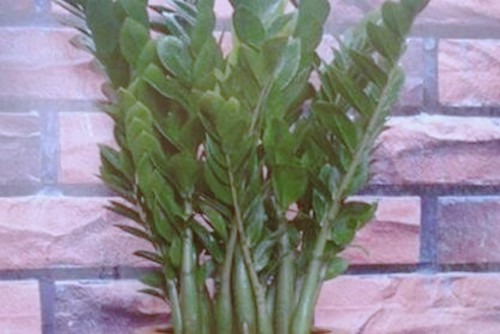
How do you care for the money tree, the best plant for absorbing formaldehyde? Six tricks to make it thrive without yellowing
The money tree is a landscaping plant we are all fairly familiar with, but its scientific name is not money tree, it is Zamioculcas zamiifolia (ZZ plant). If someone asks you next time what Zamioculcas zamiifolia is, you will know it is the money tree. The money tree is unanimously recognized as the best plant for absorbing formaldehyde. So how do you grow a money tree so it thrives? What should you do if the leaves turn yellow?
-
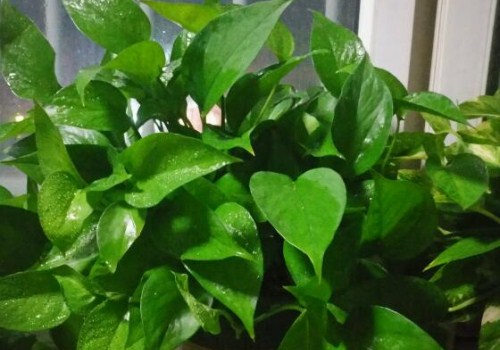
What to Do When Pothos Leaves Turn Yellow, How to Grow It More Vigorously, and Can It Remove Formaldehyde
Pothos is a plant in the genus Epipremnum. It survives on contact with water, and because of its tenacious vitality it is known as the "flower of life"; it can be grown in pots, or a few stems can be broken off and grown in water. It has an extremely strong air-purifying function, which is why it has earned the reputation of "green purifier," and it is often used to decorate living spaces. So, what should you do when pothos leaves turn yellow? How can you grow it so it becomes more vigorous?
-
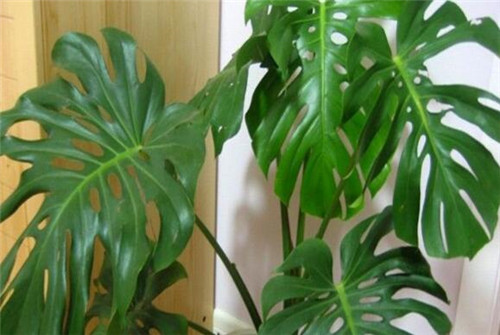
How to grow the formaldehyde-absorbing Swiss cheese plant so its leaves split? Growing methods and precautions
The name Swiss cheese plant may be unfamiliar to friends who do not grow green plants. It is very popular in tropical regions and is generally cultivated in greenhouses. The Swiss cheese plant is also called ceriman, wire netting plant, and so on. As a plant of the Araceae family, it has its own unique charm
-
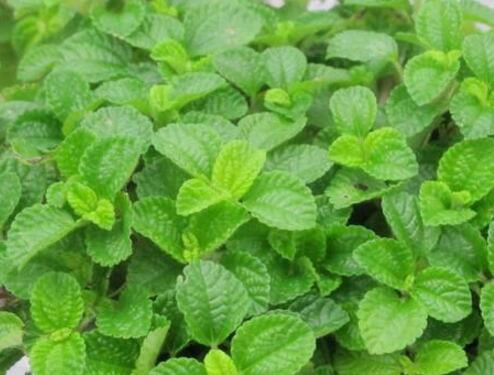
How to grow lemon balm and its main value: can it really remove formaldehyde?
Lemon balm, scientific name: Melissa officinalis or curly mint. Also known as: bee balm, bee herb. It originated along the Mediterranean coast and can be found in Europe, Central Asia, North America, and Asia, with its main production area in France. So, how do you grow lemon balm? Can it really handle formaldehyde? What are its main values? How to grow lemon balm
-
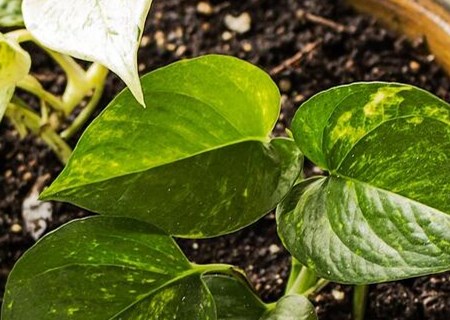
How to Grow Pothos So It Thrives? Causes of Yellow Leaves and Its Formaldehyde-Removal Effect Explained
Pothos (Epipremnum aureum) often climbs and grows on rocks and tree trunks in rainforests. It has strong twining ability and well-developed aerial roots, and can be grown hydroponically. People love growing it, so do you know how to grow pothos so it thrives even more? What should you do when the leaves turn yellow? Can it remove formaldehyde?
-
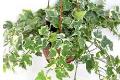
What plants absorb formaldehyde? A roundup of common green plant varieties
What plants absorb formaldehyde
条件筛选