How to Grow Pothos So It Thrives? Causes of Yellow Leaves and Its Formaldehyde-Removal Effect Explained
Pothos (Epipremnum aureum) often climbs and grows on rocks and tree trunks in rainforests. It has strong twining ability and well-developed aerial roots, and can be grown hydroponically. People love growing it, so do you know how to grow pothos so it thrives even more? What should you do when the leaves turn yellow? Can it remove formaldehyde? According to Li Peng, an engineer specializing in formaldehyde pollution treatment, placing plants such as pothos in a room to remove formaldehyde actually has very little effect, because plants mainly rely on photosynthesis to absorb harmful substances such as formaldehyde. However, the amount of formaldehyde plants absorb is extremely limited, and plants only play a supplementary role in removing formaldehyde.
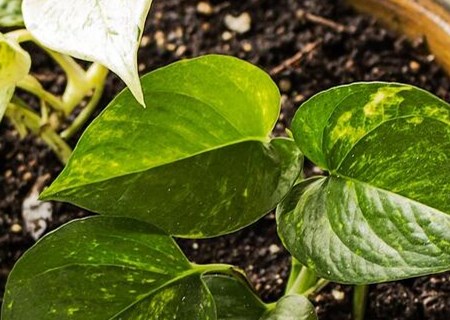
How to Grow Pothos So It Thrives
Cultivation Methods:
Everyone knows that hydroponically grown plants look beautiful and elegant, you can admire their root systems, and they are clean and simple to manage. But it is undeniable that the growth momentum and speed, as well as how glossy the leaves are, cannot compare with soil-grown plants. If you want a thriving potted plant, use soil culture, so the vines that grow will be brighter in color and have stronger climbing ability.
Substrate:
Pothos likes loose, breathable soil. Nutrient soil and charcoal soil are both good choices, as they are relatively rich in nutrients and give growth momentum. When watering normally, just keep the soil layer moist.
Care During the Growing Season:
1. Summer is when pothos grows fastest. If grown hydroponically, you can spray water on the roots and leaf surfaces during the fastest growth period in midsummer to ease water evaporation under high temperature and summer heat.
2. Wipe the leaf surfaces often so dust does not settle on them. It can receive three or four hours of scattered light every day, but avoid direct sunlight to prevent scorching. Pothos is relatively shade-tolerant and can also be placed indoors or in a cool place, but regular exposure to sunlight will make it grow more vigorously.
3. When applying additional fertilizer, choose nitrogen fertilizer and a small amount of potassium fertilizer, and follow "light fertilizer applied frequently," avoiding fertilizer that is too heavy.
4. In winter, the temperature should not be too low. Keeping it at room temperature around 23 degrees is best, and it must not go below 10 degrees at the lowest. At this time pothos is in its resting period, so there is no such thing as vigorous growth; just getting through the winter safely is enough.
What to Do When the Leaves Turn Yellow
1. Insufficient water causes dry, withered leaf edges
If there is not enough water in the soil, the leaf edges will dry up and turn yellow, and leaves will also fall off. Therefore, at this time you need to water pothos with enough water in time.
2. Too much water causes dull yellow leaf surfaces
If there is too much water in the soil or container, it will also cause yellow leaves. The leaf surfaces will appear dull yellow and lusterless, and the roots may even rot. So at this time, stop watering and loosen the soil appropriately.
3. Direct sunlight causes wilted leaves
Pothos grows in cool, shaded environments, so leaving it under strong light for a long time easily causes the leaves to wilt and wither, and then turn yellow and fall off. At this time, place pothos in a cool place with light and water it appropriately.
4. Dim light causes new leaves to turn yellowish
If pothos is placed in a dim, unventilated place for a long time, then because the green leaves lack chlorophyll, they will turn yellowish, and especially the newly grown leaves will also turn yellowish. At this time, place pothos in a cool place with plenty of light.
5. Too much fertilizer causes old leaves to fall off
If pothos is fertilized too much, old leaves will accumulate excess nutrients, then also turn yellow, and eventually fall off. At this time, reduce the frequency of fertilization and water with clean water to dilute the fertilizer in the soil.
6. Insufficient fertilizer causes roots and leaves to turn yellow
When pothos lacks nutrients and is underfertilized, the color of the leaf surfaces will gradually fade and turn yellow. In particular, the leaves near the roots will turn yellow first and fall off. At this time, more fertilization is needed.
7. Pay attention to ventilation and suitable temperature
Pothos requires a ventilated, cool growing environment. In winter, the indoor temperature should not be too hot, and attention should be paid to ventilation; otherwise, dry heat will also cause green leaves to turn yellow. You need to open windows for ventilation and water more to ensure nutrition.
8. Adapting to the environment requires close observation
Pothos needs to adapt to a new environment, which generally takes about 30 days. During this period, a few old leaves will show signs of yellowing. This is normal and part of the adjustment period. At this time, do not rush to take measures. Once it returns to normal, pothos will grow vigorously.