-
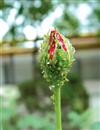
What are the methods for controlling aphids on flowers in spring and summer?
How do you control aphids on flowers in spring and summer? Please explain the methods. Many aphids, every year in the spring and summer period, like to gather densely on the young leaves, young shoots, young stems, buds, flower buds and corollas of Chinese roses, chrysanthemums, hibiscus and so on, causing damage. They use piercing-sucking mouthparts to absorb large amounts of sap from plant tissues, causing a lack of nutrients in the flowers, making the roots, stems, leaves, flowers and flower buds of the affected parts grow slowly or stop growing, and in severe cases causing the whole plant to wither or die.
-
How to prevent and control flower diseases? Learn to make homemade insecticides
Common chemical agents cause varying degrees of phytotoxicity to vegetables and fruits. For example, omethoate should not be used within 30 days before harvest; malathion is phytotoxic to melons and peaches; fenitrothion is phytotoxic to cruciferous plants and should not be used within 15 days before harvesting fruits and vegetables. Dichlorvos should not be used within one week before harvesting fruit trees and vegetables...
-
Methods for Using Plant Growth Regulators on Flowers and Trees
Plant growth regulators play important roles in regulating the growth of ornamental plants, preventing excessive leggy growth, promoting rooting, cultivating strong seedlings, controlling sex differentiation, preventing flower and fruit drop, enhancing resistance, and preserving freshness during storage. However, the methods of using different plant growth regulators vary depending on the type of agent, the target plant, the purpose of use, and the plant's growth conditions...
-
Recommended Biological Insecticides and Fungicides for Flowers
In flower production, using biological pesticides to control pests and diseases is both safe and environmentally friendly, and is very popular among flower growers in the market. Below are several commonly used insecticides and fungicides. For nicotine, the commonly used form is 10% nicotine emulsifiable concentrate, widely used to control pests such as scale insects, red spiders, aphids, and whiteflies on many flower and tree plants, with...
-
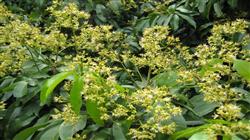
Why are insecticides prohibited during the lychee flowering period?
Experimental research and production practice have proven that placing bees for pollination during the lychee flowering period is the guarantee of a bumper lychee harvest, and the honey made by bees from collected pollen is also a natural health food for humans. In order to prevent bee poisoning and honey contamination, ensure that enough worker bees are out foraging for nectar, improve pollination effectiveness, and protect human health...
-
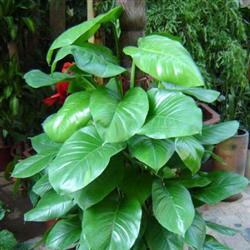
Simple Methods for Making Flower Insecticides
When flowers are attacked by pests, some simple homemade insecticides are effective at sterilizing and killing insects. 1. Laundry detergent solution: take 2 g of laundry detergent, add 500 g of water and stir into a solution, add 1 drop of oil, and spray it on the insects on the plants; it can kill aphids, scale insects, red spider mites, green slug moths, white butterflies, whiteflies, etc. 2. Soap solution: take soap and hot...
-
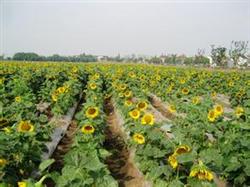
After using which herbicides can you not plant sunflowers in the following crop
If Pursuit (imazethapyr, imazethapyr acid) was used on the previous crop, there must be an interval of 18 months before planting sunflowers; for chlorimuron-ethyl (chlorimuron) there must be an interval of 18 months before planting sunflowers; if the per-hectare rate of nicosulfuron exceeds 60 grams of active ingredient, that is, more than 100 milliliters per mu of 4% nicosulfuron, there must be an interval of 24 months before planting...
-
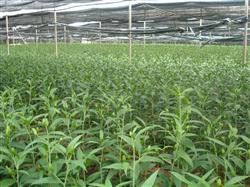
Which herbicides should be used with caution on flowers, plants and nursery stock?
When choosing herbicides, note that many herbicides are not suitable for use in gardens, flower nurseries and lawns. 1. Post-emergence herbicides for controlling broadleaf weeds. MCPA, 2,4-D, bentazone, dicamba, fluroxypyr, chlorimuron, clopyralid, haloxyfop and others must not be used in nurseries, gardens or Zoysia matrella lawns. ...
-
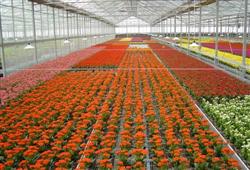
What are the commonly used insecticides for flowers? Introduction to common types of pesticides
What fungicides are commonly used for flowers? Please give an introduction. The fungicides commonly used for flowers include the following for reference: Triadimefon has preventive, eradicative and fumigant effects on rust and powdery mildew. Apple rust, poplar rust, chrysanthemum rust, sedge rust, rose rust, Chinese rose powdery mildew, crabapple pow...
条件筛选