Which herbicides should be used with caution on flowers, plants and nursery stock?
When choosing herbicides, note that many herbicides are not suitable for use in gardens, flower nurseries and lawns. 1. Post-emergence herbicides for controlling broadleaf weeds. MCPA, 2,4-D, bentazone, dicamba, fluroxypyr, chlorimuron, clopyralid, haloxyfop and others must not be used in nurseries, gardens or Zoysia matrella lawns. ...
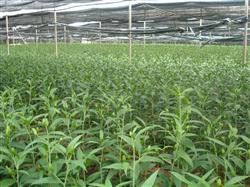
When choosing herbicides, note that many herbicides are not suitable for use in gardens, flower nurseries and lawns.
1. Post-emergence herbicides for controlling broadleaf weeds. MCPA, 2,4-D, bentazone, dicamba, fluroxypyr, chlorimuron, clopyralid, haloxyfop and others must not be used in nurseries, gardens or Zoysia matrella lawns.
2. Post-emergence herbicides for controlling grass weeds. Post-emergence herbicides for controlling grass weeds such as haloxyfop-R-methyl, fluazifop-P-butyl, quizalofop-P-ethyl, sethoxydim, clethodim and fenoxaprop-P-ethyl should not be used on grass-family lawns; while controlling grass weeds, these herbicides will also damage the lawn.
3. Herbicides with a long residual life. Sulfonylurea herbicides such as chlorsulfuron, metsulfuron-methyl, bensulfuron-methyl, pyrazosulfuron-ethyl, chlorimuron-ethyl, tribenuron-methyl and nicosulfuron; imidazolinone herbicides such as imazethapyr; and heterocyclic herbicides such as quinclorac and clomazone. These herbicides have too long a residual life in the soil. In nurseries where these herbicides have been used, flowers and nursery stock planted even 3 years later may be harmed. Metsulfuron-methyl will cause spray damage to tall fescue lawns, causing tall fescue grass to turn yellow and die. Clomazone will cause albinism in lawn plants.
4. Herbicides with toxic effects on the soil. Some herbicides of the amide, urea and triazine classes, as well as alachlor, acetochlor, fluometuron, metribuzin, simazine, atrazine, prometryn and fluchloralin. If these herbicides are applied on lawns, then under waterlogged conditions they affect the root system of lawn plants and further affect the development of lawn plants; where they are applied continuously, they cause deterioration and compaction of soil structure, affect the aeration of the soil around the roots of lawn plants, and then cause lawn plants to turn yellow.
5. Herbicides with high toxicity or carcinogenicity. Sodium pentachlorophenol and paraquat are highly toxic and are absolutely prohibited in nurseries and lawns. Nitrofen has been banned in many countries because of carcinogenicity, and China has banned it since 2000. Alachlor has a carcinogenic effect on animals and should also not be used. Trifluralin has been banned in Europe because of carcinogenicity.
6. Herbicides with drift contamination. Dicamba, molinate and others have relatively serious drift contamination problems. Generally there are flowers and nursery stock around lawns; spraying dicamba, molinate and other herbicides prone to drift on lawns will affect the growth of the surrounding flowers and nursery stock.
7. Herbicides with an off-odor. For example, the odor of MCPA is irritating to people; after inhalation, it affects the human stomach and also causes phytotoxicity to nursery stock, so it should not be used.
8. Non-selective herbicides. Such as glyphosate (Roundup), paraquat (Gramoxone) and others. Although some nursery stock has a certain tolerance to low doses of glyphosate, sometimes the damage of glyphosate to nursery stock is difficult to judge clearly by visual inspection, and sometimes this damage is slow; in addition, when spraying glyphosate, drift is unavoidable, which will cause damage to surrounding sensitive flowers and nursery stock.
In short, when choosing herbicides, in addition to considering the prevention of direct damage to flowers, nursery stock and lawns, it is also necessary to prevent some potential, possible and hidden damage, so as not to cause irreparable damage to the yield and quality of flowers, nursery stock and lawns and to the surrounding environment. In use, attention should be paid to choosing, according to different needs, varieties and periods, herbicides with a broad weed-killing spectrum, moderate efficacy period, good eradication effect and no pollution.