What are the methods for controlling aphids on flowers in spring and summer?
How do you control aphids on flowers in spring and summer? Please explain the methods. Many aphids, every year in the spring and summer period, like to gather densely on the young leaves, young shoots, young stems, buds, flower buds and corollas of Chinese roses, chrysanthemums, hibiscus and so on, causing damage. They use piercing-sucking mouthparts to absorb large amounts of sap from plant tissues, causing a lack of nutrients in the flowers, making the roots, stems, leaves, flowers and flower buds of the affected parts grow slowly or stop growing, and in severe cases causing the whole plant to wither or die.
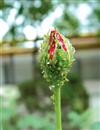 How do you control aphids on flowers in spring and summer? Please explain the methods.
Many aphids, every year in the spring and summer period, like to gather densely on the young leaves, young shoots, young stems, buds, flower buds and corollas of Chinese roses, chrysanthemums, hibiscus and so on, causing damage. They use piercing-sucking mouthparts to absorb large amounts of sap from plant tissues, causing a lack of nutrients in the flowers, making the roots, stems, leaves, flowers and flower buds of the affected parts grow slowly or stop growing, and in severe cases causing the whole plant to wither or die. For aphid control, you can refer to the following methods:
Chemical control can use some pesticides for spraying, which can kill large numbers of aphids, but some still survive; because aphids reproduce quickly and in large numbers, the surviving aphids soon form large populations again. Therefore, when using pesticides, it should be based on the pest situation. If aphids have just flown to some buds on trees and flowers to reproduce and cause damage, and the number of insects is not large, the buds can be pruned off at any time to eliminate the newly born aphids, and clear water can also be sprayed to wash the buds, young leaves and leaf backs. When the number of insects is large and leaf curling has already occurred, you can spray 50% Mieyajing emulsifiable concentrate at 1000-1500 times dilution, or Lorsban at 1500 times dilution, or 20% fenvalerate emulsifiable concentrate at 2000 times dilution, or imidacloprid at 5000-10000 times dilution, etc. Spraying with 1-3 degrees Baume lime sulfur mixture can kill overwintering aphid eggs.
When aphids appear on a small number of potted flowers at home, they can be brushed off with a writing brush or a hairbrush. When brushing, be careful to brush gently and cleanly, avoiding damage to young leaves and young shoots. The aphids brushed off should be disposed of promptly and cleanly to prevent spread. You can also dip a cotton ball in 80% dichlorvos original liquid, place it inside a bottle cap, then place it on the potting soil, seal the potted flower with a plastic bag, and as soon as the aphids are fumigated to death, immediately open the bag. When there are many pots, put "Mieyajing" in small bags, add 200 ml of water to one small bag, and it can be sprayed on 3-5 pots, with fairly good results.
A trap method using hiding places can also be used to control aphids. Before aphids begin to overwinter, wrap some straw rope around the tree trunk, artificially creating gaps to lure them to overwinter, then deal with it the following spring to eliminate the overwintering aphids. You can also combine this with pruning, cutting off severely affected branches that have already curled leaves, to remove aphids. In addition, soaking cigarette butts, honey locust pods, Sichuan pepper and so on in clear water and then spraying can also control aphids. Aphids also have a habit of being attracted to yellow, so you can use yellow boards coated with sticky oil, shake the flower branches and leaves, and let winged aphids fly toward the yellow boards, where they stick and die.
Click to get more insecticide application techniques
Click to get more pesticide application techniques