How to Propagate Gardenia: Five Major Gardenia Propagation Methods
Gardenia (Gardenia jasminoides) gives off a unique fragrance; when grown at home, it fills the whole house in summer, and just smelling it brings people an inexplicable joy. As the saying goes, "From afar one sees the neighbor's gardenia bloom, a young girl smiles and comes seeking the fragrance." As a fresh, refined, pure white and flawless plant, how is gardenia propagated? Below, let us look at the five major gardenia propagation methods.
Five Major Gardenia Propagation Methods
1. Gardenia water rooting propagation
First, cut a healthy, robust branch about 10 cm long; it is best to let the branch dry in the sun, keeping only 2-3 leaves. Then insert the prepared branch into a wide-mouthed container, with the leaves left outside the bottle, and change the water in the bottle every 1-2 days to keep the water clean.
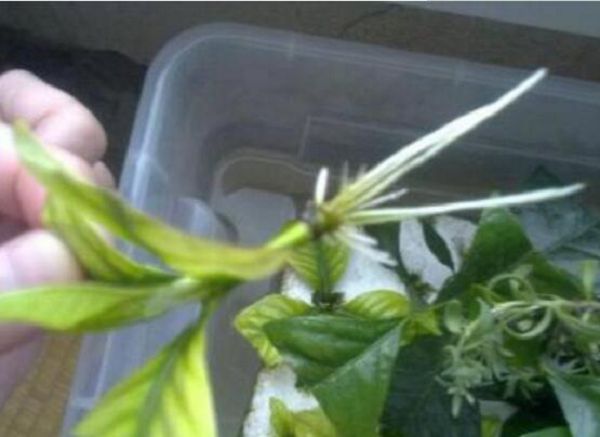
Wait until after one to two months, when two or three white roots have grown; then take the branch out, bury it in a flower pot, and place it in a warm place with good light, ventilation, and no direct sunlight. Finally, just water and fertilize according to the normal gardenia growing method.
2. Layering propagation
Layering propagation is generally carried out in April. From a 3-year-old mother plant, select a robust 1-year-old branch 25-30 cm long for layering, pull it down to the ground, and wound the part of the branch that will enter the soil. If there is a three-forked branch, three seedlings can be obtained at one time. Generally, roots form after 20-30 days, and after rooting in June it can be separated from the mother plant; by the following spring it can be replanted with soil or potted individually.
3. Cutting propagation
Cutting propagation can be carried out from April to October. First select a robust 2-year-old branch about 10 cm long, remove the lower leaves, and cut the lower end into a 45-degree slanted surface. Tie 20-30 of them into small bundles, place the slanted cut ends into a 0.05% rooting powder solution, then take them out and let the solution dry.
Insert the prepared branches into sand, with a row spacing of 20-25 cm and a plant spacing of 7-8 cm, insert the slanted cut ends two-thirds of the way into the soil, press firm and water, and set up a low shade shed for shading. Roots will form in about half a month, after which the small seedlings can be transplanted into flower pots.
4. Seed propagation
Seed propagation can be done by spring sowing or autumn sowing, generally using plump, dark red fruit. Before sowing, use scissors to cut open the fruit skin of the seeds, dig out the seeds, rub them apart in hot water, remove floating seeds or debris, then scoop out the sunken, full seeds and dry them. For the soil, a sandy soil with deep, loose, and fertile layers can be used.
Before planting, plow the ground 1-1.5 chi deep, remove miscellaneous tree stumps, and apply farmyard manure, green manure, or human and livestock manure water as base fertilizer. Before sowing, mix the seeds with plant ash and sow them evenly in the furrow, cover the sowing furrow level with fine soil or burnt soil, cover with grass and let the rain soak it. When there are seedlings, weed and topdress frequently. After one year of seedling cultivation, they can be transplanted.
5. Division propagation
For division propagation, first you need a robust gardenia that has grown sucker shoots. In early spring or late autumn each year, dig away the surface soil around it, carefully observe the sucker shoots, and following the natural spreading intervals of the roots, use your hands or a sharp knife to separate the sucker shoots from where they connect to the mother root along the gaps, then separate them out as seedlings for planting.
Conclusion: Once you have learned the gardenia propagation methods, you can do it yourself at home, combining the methods you have learned with the actual situation; when facing many problems, you can promptly discover and solve them, so that your gardenia grows lush and fragrant and charming.