-
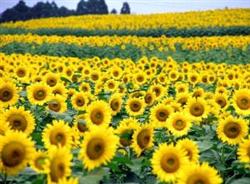
Sunflower Fertilization Techniques: Key Points and Methods Explained
Environmental Requirements. Sunflowers have strong tolerance to low temperatures at both the seedling stage and the mature stage. Seeds begin to swell and sprout at 2°C-4°C, can germinate at 4°C, can emerge at 5°C, and 8°C-10°C is sufficient for normal emergence. Seedlings can withstand several hours at -4°C and can still recover after the low temperature...
-

-
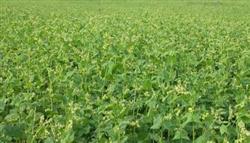
Key Cultivation Techniques and Field Management of Golden Buckwheat Explained
Golden buckwheat is the dried rhizome of the Polygonaceae plant golden buckwheat, also known as bitter buckwheat, wild bridge buckwheat and heaven buckwheat. Its nature is cool, its taste pungent and bitter, and it has the effects of clearing heat and detoxifying, activating blood and resolving stasis, and strengthening the spleen and draining dampness. It is mainly produced in Shaanxi, Jiangsu, Zhejiang, Hubei, Hunan and other provinces, and can also be cultivated in the East China region. I. Morphological characteristics...
-
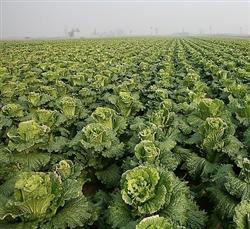
Napa Cabbage Seed Selection Methods and Cultivation Techniques Explained in Detail
Napa cabbage is a leafy vegetable with a large number of leaves, and it forms a head (leaf ball) that is the main harvested organ. Generally, the yield can reach 4000-5000 kg per mu. Napa cabbage has a long growth period, and to achieve high yields, several key techniques must be mastered: 1. Apply sufficient base fertilizer: base fertilizer is the foundation for a bountiful napa cabbage harvest. Generally, old vegetable...
-

How to manage cowpeas during the pod-setting stage? Key technical points explained
Management of cowpeas during the pod-setting stage
-

-
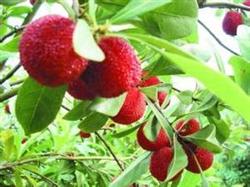
How to manage soil and fertilizer in bayberry orchards scientifically? Key points explained in detail
The yield of bayberry depends mainly on the vigor of the plant's growth and the size of the canopy. Therefore, orchard management should be strengthened, with water and fertilizer management as the main focus. 1. Mounding soil around the base: Bayberry planted on hillsides often suffers from soil erosion, exposing the root mass at the tree base and affecting tree vigor. Therefore, by digging trenches on the inner slope and promptly...
-

What to Do About Empty Chestnut Burrs? Causes and Control Methods Explained
Causes of Empty Chestnut Burrs and How to Prevent and Control Them
-
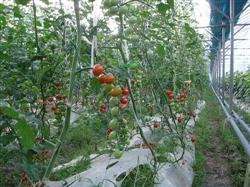
What are the cultivation techniques for cherry tomatoes? Explained clearly in one article
Cherry tomatoes are nutritious and can be used as a raw vegetable, a garnish for premium vegetable dishes, or eaten cooked. They command a high price, store and transport well, have a long market supply period, and are easy to cultivate. The main suitable varieties for cultivation include Cherry Red, Shengnyu, Golden Four Seasons Red, Yellow Pear, and others. Using seedling transplanting, sow seeds in a greenhouse or small...
-
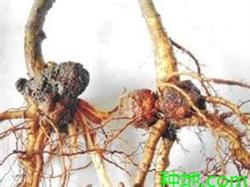
What Is Peach Crown Gall Disease? Symptoms and Control Methods Explained
What is peach crown gall disease? How can peach crown gall disease be controlled effectively? Symptoms of peach crown gall disease: 1. Symptoms Peach crown gall disease is caused by Agrobacterium tumefaciens and is a bacterial disease. After a peach tree is infected, galls of varying sizes, spherical or flattened spherical, form on the roots or trunk. After fusing, they become irregular in shape, then gradually turn brown, with a rough, uneven surface, hardened and woody, forming irregular cavities. After seedlings are infected, their development is hindered, growth is slow, and the plants are stunted; in severe cases, the leaves turn yellow and the plants decline prematurely. When mature fruit trees are infected, the fruit is small and the tree's lifespan is shortened.
条件筛选