-

Artificial propagation techniques for large icefish: Practical experience from Hongshan Reservoir
Hongshan Reservoir is located in the lower reaches of the Laoha River in the northeast of Chifeng City. It is a large plain-type reservoir integrating flood control, irrigation and aquaculture, with a catchment area of 24,500 sq km and a total storage capacity of 2.56 billion cubic meters. The reservoir's fish-farming area ranges from 80,000 mu to 130,000 mu between the dry season and the wet season. The reservoir introduced fertilized eggs of large icefish in 1995, and the catch reached 2.5 kg/mu in 1998. In the following 2 years the yield declined somewhat, but in recent years, thanks to relatively well-developed propagation management measures, the resource has gradually recovered.
-
Experience sharing on high-yield artificial cultivation of Schisandra chinensis
In recent years, as wild resources have declined and production has fallen year by year, the price of the Chinese medicinal herb Schisandra chinensis on domestic and international markets has risen for consecutive years, which has inspired people's enthusiasm for cultivating Schisandra chinensis. According to reports, to achieve high yield and high efficiency in artificial cultivation of Schisandra chinensis, three key links must first be handled well: first, variety selection, purification and improvement must be carried out; second, a period of domestication and adaptation is needed; third, pruning must be strengthened to regulate and control tree vigor. The three are mutually reinforcing and none can be omitted. First, carry out variety selection, purification, domestication and improvement of wild Schisandra chinensis
-
How is edible fungi technology extension carried out? Qingyuan County summarizes its practical experience
As a traditional pillar industry of Qingyuan County, edible fungi have the advantages of a short cycle, quick results and a high input-output ratio, and are of great significance to revitalizing the rural economy of producing areas and accelerating the pace of farmers in poor mountainous areas escaping poverty, becoming well-off and striving for a relatively comfortable life. Strengthening edible fungi technology extension work and accelerating the transformation of edible fungi scientific and technological achievements are the prerequisite conditions for ensuring the healthy and orderly development of the edible fungi industry in our county. Based on the practice of edible fungi technology extension work in recent years, the author summarizes the successful experience of edible fungi technology extension in our county for the reference of the broad community of edible fungi peers
-
How to restore a weak ox's condition in spring? Sharing practical experience
1. Dissolve 200 g of white sugar or brown sugar per ox per day in an appropriate amount of warm water and give it to drink, continuously for 1 week. 2. Per ox per day, use 250 g of okara (tofu dregs), 50 g each of rice bran and wheat bran, and 10 g each of fishmeal and salt, mix evenly, and feed before grazing in the morning, continuously for 2-3 weeks, with remarkable results. 3. Use 100 g each of soybeans and corn, add water and grind them into a paste, then add 250 g of rice bran and an appropriate amount of salt, mix well, and feed once daily after the working ox finishes grazing, continuously for 1 week. 4. Cook
-
How to grow azaleas at home? Sharing my growing experience
I have been growing azaleas for over ten years, and now I will write down some of my insights for everyone's reference. Potting soil preparation: Home potted azaleas include four types: spring azalea, summer azalea, Western azalea and hairy azalea, all requiring acidic soil with a pH of 4.5-5.5 (Western azaleas are slightly more tolerant, but must not exceed 6.5). If alkaline soil is used, they will certainly die. You can use garden soil, rotted sawdust, charcoal dust, decomposed cake fertilizer powder, bone meal, etc., mixed evenly in a ratio of 10:2:3:0.5:0.5 (volume ratio) to make a soil with a pH of about 5.
-
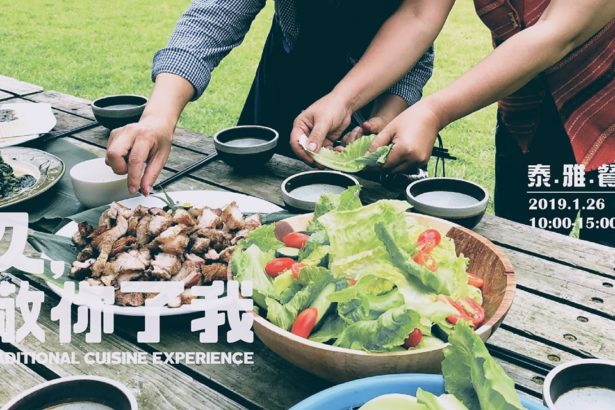
Long Time No Toast to You※Atayal Traditional Cuisine Experience
Long Time No Toast to You※Atayal Traditional Cuisine Experience
-
Successful Experience and Technology Sharing in Morel Cultivation
After years of effort, the scientific and technical staff of the Edible Fungi Research Institute of Mianyang, Sichuan Province, finally succeeded in developing morel cultivation technology. The success of this technology marks that China's biotechnology has reached the international leading level, and it will have a tremendous impact on economic benefits, social benefits and biotechnology development. In the past, morels grew wild in the forests of the great mountain regions. Due to the limitations of geography, environment, climate and other conditions, they grew only once a year, with very low yields, and were extremely difficult to collect. The vast majority were not
-
Summary of Stropharia rugoso-annulata Cultivation Techniques and Experience Sharing
Stropharia rugoso-annulata is an artificially cultivated variety with extremely high nutritional content. Our township introduced it in 2006, with a planting area of 150,000 mu, a yield of 1,000 kg per mu, and income reaching 6,000-8,000 yuan. Stropharia rugoso-annulata was introduced by the county senior science and technology association from Chengdu City as an artificially greenhouse-cultivated variety with high nutritional value, easy-to-operate cultivation techniques, labor savings, low investment, and high benefits. It has good market prospects and is deeply welcomed by growers. It will be harvested and marketed this year. It has the advantage of one-time substrate preparation and 4-6 months of fresh mushroom harvesting.
-
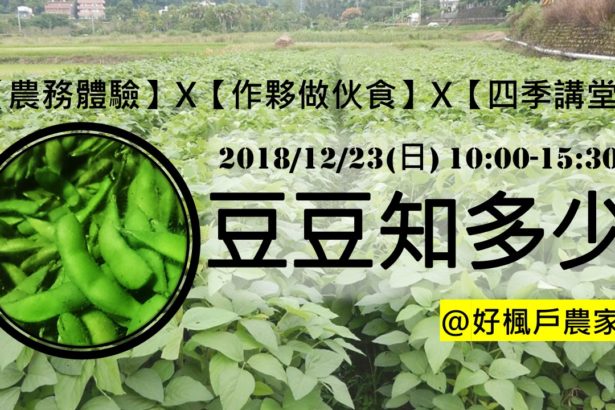
Bean Know-How: Farming Experience and Cooking Together Four Seasons Lecture
Bean Know-How [Farming Experience][Cooking Together][Four Seasons Lecture]
-
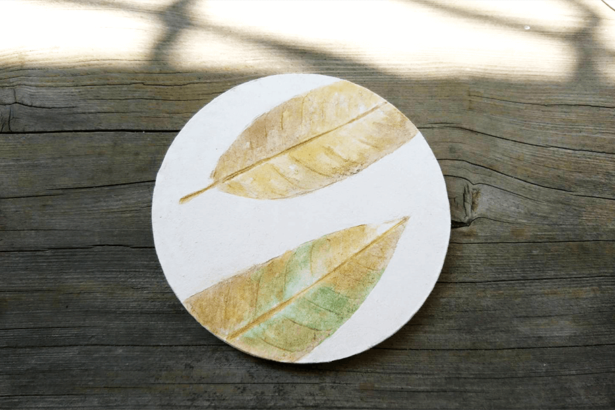
Natural Paint Experience Workshop: Get Hands-On with the Fun of Painting
Natural Paint Experience Workshop
条件筛选