-

How to prevent and control excessive browning of shiitake mushroom logs that results in no fruiting
1. Causes of the problem. Log browning is a physiological process in the development of shiitake mushroom mycelium and is also a sign of physiological maturity of the mycelium. Suitable conditions for log browning: temperature of 18°C to 24°C, air humidity of 80% to 85%, some scattered light, and good ventilation. If the indoor temperature exceeds 25°C during browning and this high temperature lasts for a long time, it can cause the logs to secrete large amounts of yellow water and pigments, thereby forming a thick brown mycelial skin. The thick mycelial skin formed can block air, causing the mycelium to receive no oxygen and be unable to
-
How to prevent and control excessive vegetative growth in cotton? A detailed guide to practical techniques
At present, cotton has entered the squaring stage, and preventing excessive vegetative growth in cotton must begin now. So-called excessive vegetative growth means the cotton has lost its normal reproductive function, that is, it only flowers without setting bolls, or it flowers heavily but sets few bolls. The causes are first climatic factors, second the blind and random introduction of cotton varieties, and third cultivation methods that do not match climate change. According to records, when the temperature exceeds 35°C, pollen development becomes abnormal and normal pollination cannot occur; while sustained drought intensifies the shedding of squares and bolls. In addition, in mid-August some cotton areas experience
-
Causes of Cotton Excessive Vegetative Growth and Control Methods
The phenomenon in which vegetative organs such as stems, branches and leaves of the cotton plant grow excessively, causing an imbalance between vegetative growth and reproductive growth, is called excessive vegetative growth, commonly known as "runaway growth." After cotton squaring, vegetative growth and reproductive growth proceed simultaneously. If vegetative growth is too rapid and reproductive growth is inhibited, it will cause shedding of squares and bolls, and in severe cases, no bolls will set. Causes of excessive vegetative growth: mainly excessive application of fertilizer and water. From squaring to the early flowering stage is the period of fastest vegetative growth in the entire life of cotton. If nitrogen fertilizer is supplied in excess, it will cause an imbalance in the carbon-to-nitrogen metabolism ratio
-
What to Do About Excessive Cotton Growth Regulator Application? Master These Mitigation Methods
Every year in late July and early August, many cotton farmers in cotton-growing areas report that some cotton plants showed excessive vigor in the earlier stage, and some even tended toward runaway growth, so they applied the plant growth regulator mepiquat chloride. Because they could not get the concentration right, when the spray concentration was too high and they encountered high-temperature weather, the cotton plants showed symptoms of leaves and branches being unable to spread out, and cotton growth was inhibited. Below are several methods to alleviate excessive cotton growth: Spray Huimanfeng active liquid fertilizer. This fertilizer contains chelated humates and multi-element compound fertilizer
-
Methods to control excessive growth and promote sturdy wheat seedlings: these technical points must be mastered
When wheat seedlings grow excessively before winter, their growth period advances, nutrient accumulation decreases, and cold resistance drops, which is not conducive to safe overwintering. They can be managed by category according to the cause of excessive growth to control vigorous growth and promote sturdiness. 1. Vigorous seedlings formed by too-early sowing: the seedling leaves are slender, tillering is insufficient, and the main stem and some large tillers enter the double-ridge stage before winter. Such wheat seedlings are often vigorous early and weak later, and will be frostbitten in winter when exposed to a low temperature of minus 10°C lasting 5 hours. They should be pressed in a timely manner to inhibit the growth of the main stem and large tillers of the wheat seedlings and control spindly growth. Pressing should be done on a sunny morning; it must not be done when there is frost or dew
-
How to prevent excessive growth in round eggplant? Comprehensive measures are key
Currently, because greenhouses begin closing up at night to retain heat, nighttime temperatures often become too high, causing severe excessive growth of round eggplant in greenhouses. To prevent round eggplant from growing too vigorously and failing to set fruit, the reporter found that vegetable growers commonly adopt the method of controlling water. But in production, relying solely on water control makes it hard to achieve the desired effect, and excessive water control has many drawbacks, such as poor flower bud differentiation and many deformed fruits. The author believes that there are many factors causing vigorous plant growth, so controlling vigorous growth should also adopt comprehensive measures rather than blindly over-controlling water. Temperature controls the plant. The suitable temperature for round eggplant growth is 25 during the day
-
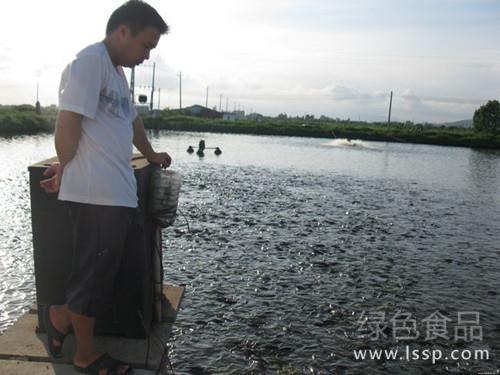
Excessive feeding of tilapia feed leads to water quality deterioration; how can feed be saved?
Excessive feed causes water quality deterioration in tilapia farming; how to save feed
-
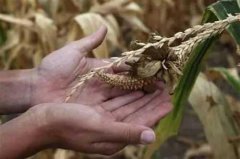
What are the ecological and human health hazards of excessive nitrogen fertilizer application?
Excess nitrogen fertilizer in vegetables and fruits: beware of cancer. Have you ever heard of this? Food safety is becoming more and more fragile nowadays, so we must pay more attention ourselves. Although eating vegetables and fruits is good for health, when nitrogen fertilizer is used excessively, the nitrate present in leafy vegetables can trigger esophageal
-
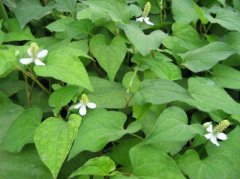
How do vegetables get nitrogen fertilizer applied? Signs and dangers of excessive nitrogen fertilizer
It is worth noting that nitrate ions, upon contact with digestive enzymes in saliva, are converted into nitrosamines, a chemical compound that the medical community has confirmed to be a carcinogen. Therefore, Professor Zheng Zhengyong reminds the public that just as the Department of Health encourages children to eat more fruits and vegetables, they should also
-
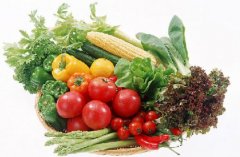
What are the reasons for the excessively high nitrate content in leafy vegetables and root vegetables?
Pesticide residues in vegetables and fruits have always been a concern for everyone, so what are the reasons for pesticide residues in vegetables and fruits? The problem of pesticide residues in vegetables and fruits is generally serious. Chen Shixiong, head of the Department of Agronomy at Chung Hsing University, pointed out that leafy vegetables are the crops most prone to nitrate residue. If you want to eat bok choy
条件筛选