-
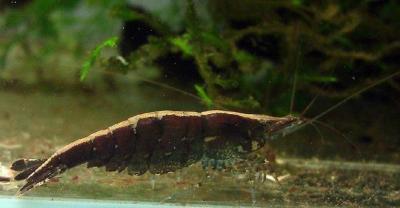
Analysis of Excessive Ammonia Nitrogen in Pond Water for Aquaculture Fish, Shrimp and Crabs
[Cause Analysis] During aquaculture, the problem of excessive ammonia nitrogen in ponds is frequently encountered. Excessive ammonia nitrogen can cause the immunity and resistance of farmed fish and shrimp to...
-
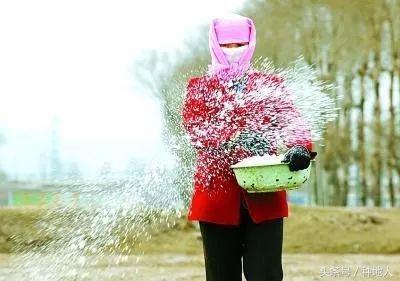
What are the top ten harms of excessive fertilizer use?
We have depended on chemical fertilizers for grain crops for decades, and they have greatly helped us increase food production! But decades of using chemical fertilizers alone has already...
-
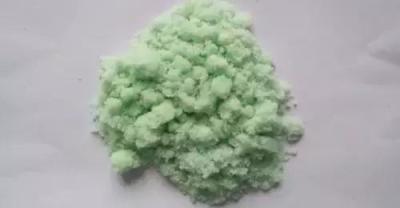
What are the harms of excessive fertilizer application?
"A crop is a flower, and it all depends on fertilizer to keep it going" - this is a familiar farming proverb. However, data from sample surveys of farming households by relevant experts show that...
-
What are the ten major harms of excessive chemical fertilizer?
We have relied on grain grown with chemical fertilizers for decades, and they have greatly helped us increase grain yields! But after decades of using chemical fertilizers alone, it has...
-

In the three rural issues, respecting objective laws and excessive innovation are incompatible
In the three rural issues, respecting objective laws and excessive innovation are incompatible!
-

What to do about excessive imports of agricultural products? Adopt trade remedy measures in a timely manner
Adopt trade remedies in a timely manner to respond to excessive imports of agricultural products
-

What to Do When Apple Trees Grow Excessively Vigorously? Cause Analysis and Solutions
Causes of Excessive Vigorous Growth in Apple Trees and Solutions
-
What to Do About Excessive Vegetative Growth of Straw Mushroom Mycelium? Detailed Control Methods
During the mycelial growth stage of straw mushroom, a large amount of white fluffy aerial mycelium forms on the surface of the substrate, sometimes even growing into a white layer of mycelial mat, which delays fruiting and leads to low yields; the cause is excessively high temperature inside the compost heap. Control methods: after inoculating straw mushroom, regularly uncover the plastic film to ventilate and lower both temperature and humidity, and do not cover with too thick a layer of straw, so as to encourage the mycelium to grow into the substrate.
-
What harm does excessively high temperature in a snake enclosure in summer do to snakes?
In captive snake breeding, whether in indoor housing or outdoor snake enclosures, the stocking density is generally quite high. In summer, if the temperature inside the snake enclosure is too high, or before and after heavy rain when high temperature and high humidity with poor ventilation easily occur, the snakes being kept will refuse to eat, become inactive, and fail to shed their skin; some may even adopt a passive heat-avoidance strategy and enter "summer dormancy," which will inevitably affect their normal growth and development. Because snakes themselves have no sweat glands, they cannot regulate their own temperature and humidity. When the temperature inside the enclosure approaches 30°C, the snakes' water intake will increase, their breathing will speed up, they will become listless, and their activity will become irregular; in severe cases they will vomit mucus and phlegm (caused by pneumonia), which can lead to death. Diseases contracted by snakes in this season are often highly contagious and tend to cause relatively large economic losses, so medication should be administered promptly for treatment.
-
Large-scale leaf-rolling of the central leaves of rice may be related to excessive application of quinclorac
For some time recently, hundreds of readers across our province have called to report large-scale leaf-rolling of the central leaves of rice seedlings, which is even more common in direct-seeded rice production. Many readers brought in diseased plants. The root systems of the diseased plants are generally fairly normal, and there are no obvious disease spots or other symptoms on the leaves. After examining the submitted diseased plants, relevant experts from the Institute of Plant Protection of the Provincial Academy of Agricultural Sciences and other units preliminarily diagnosed that the leaf-rolling of the central leaves of rice is not caused by viruses or other pathogenic microorganisms, but may be phytotoxicity caused by herbicides such as 2,4-D and quinclorac, or may be caused by physiological
条件筛选