-
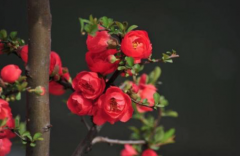
How to Grow Wax Begonia and Whether It Can Bloom in Winter
Do you like growing potted plants? Then do you like begonia flowers? If you like begonia flowers and want to grow them yourself, then let's take a look at how to grow begonia flowers together. That way you can enjoy the flowers you grew yourself, and that feeling is very different! Wax
-
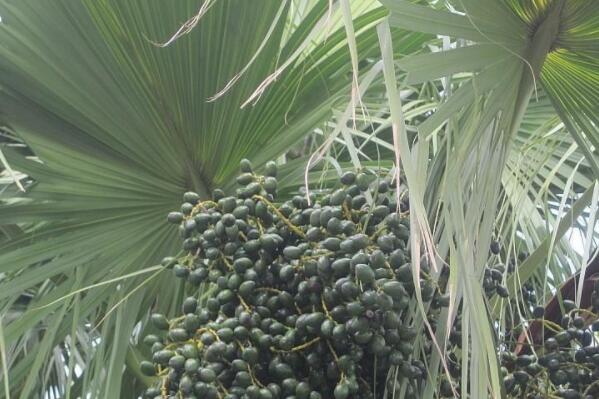
A detailed guide to palm trees: evergreen trees, seedling prices, transplanting, planting, and whether the fruit is edible
The palm tree is an evergreen tree. Its trunk is cylindrical and often retains old leaf stalks and the leaf bases below them. It is native to China, blooms from April to May, and its fruit ripens from October to November. So about how much does a palm seedling cost per plant? When should it be transplanted? How should it be planted? Can its fruit be eaten? According to Mr. Li of a Nanjing nursery
-
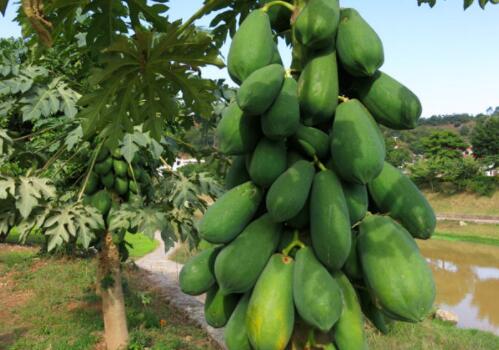
General landscaping papaya tree price per tree, whether the fruit is edible, bonsai, and cultivation methods
The papaya tree, also known as Muli, Xianglongmu, etc., is divided into many varieties such as wrinkled papaya, Xuancheng papaya, etc. It can be planted as landscaping nursery stock, and the whole plant is used as medicine. So how much does a landscaping papaya tree cost per tree? Is its fruit edible? Can it be made into a bonsai? How do you plant and care for it? How much does a landscaping papaya tree cost per tree
-
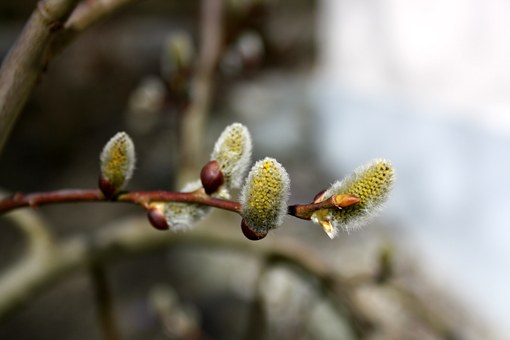
Silver bud willow's fragrant desert, osmanthus dyeing questions, and whether it can be grown indoors in water or dry
Silver bud willow, also known as silver willow, maomao gou, cat willow, cotton willow, and silver bract willow, is a deciduous shrub in the genus Salix of the family Salicaceae. It is native to northern China and is much loved for its unusual and attractive appearance. Nowadays many people like to grow it indoors.
-
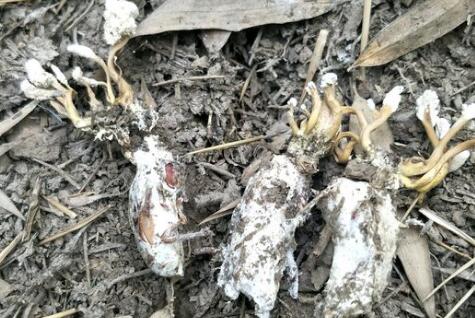
Efficacy and Effects of the Golden Cicada Flower Insect-Fungus Complex and Whether a Single Dose Can Treat Kidney Disease
Golden cicada flower, commonly known as large cordyceps, cicada pupa grass, cicada mushroom, crown cicada, Hu cicada, tiao, Tang tiao, Tang cicada, is like cordyceps sinensis also an insect-fungus complex. Some people believe that eating golden cicada flower has an immune-regulating effect. So what are the efficacy and effects of golden cicada flower? How much to eat at one time? Can it treat kidney disease? What is golden cicada flower
-
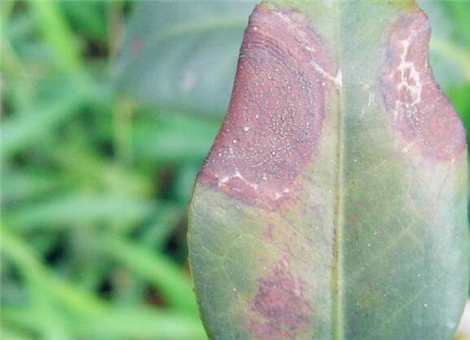
Is Plant Anthracnose the Same as Animal Anthracnose? Symptoms, Prevention and Control, and Whether Human Anthracnose Is Curable
Anthracnose is an acute zoonotic infectious disease. It mainly occurs in people who have frequent contact with animals and animal product processing or who accidentally eat the meat of diseased livestock. In fact, plants can also be at risk of infection by anthracnose. So is plant anthracnose the same as animal anthracnose? What are the symptoms of the disease? How is it prevented and controlled?
-
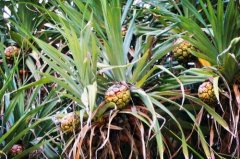
Pineapple Planting Methods and Technical Requirements: Do You Need to Plant Them Every Year?
The pineapple is a very popular fruit in spring and summer. Do you know how it is grown? Would you like to find out? Let's take a look together! (1) Land preparation When cultivating pineapple, the clearing and preparation of the field are very important. The coarseness or fineness of land preparation will affect the future yield and quality of the pineapple. Therefore, for flatland cultivation, it is advisable to use a large tractor to plow, break up the soil, and harrow it level; for slope cultivation, an excavator can be used instead. This not only saves time and labor, but also allows the depth of deep plowing to reach more than 30 cm, which helps bury stubborn weeds and pests and pathogens remaining in the topsoil deep into the soil. Flatland with poor drainage is suitable for high-ridge cultivation, and the drainage system around the field should be properly set up to prevent the plants from being waterlogged and affecting growth and quality. When opening a pineapple field on sloped land, attention should be paid to adopting contour-line planning and carefully arranging orchard roads, so as to facilitate the entry and operation of vehicles and tillers, and planting pineapple along contour lines can prevent soil erosion. After land preparation is completed, 10000∼15000 kg of organic fertilizer, 915 kg of ammonium sulfate, 880 kg of superphosphate, and 530 kg of potassium chloride per hectare should be applied as base fertilizer, adjusting the soil pH to between 4.5∼6.0.
-

Are Carnations Toxic? How to Grow Them at Home and Whether You Can Eat Them, Explained Clearly
The scientific name of the carnation is Dianthus caryophyllus, also known as lion's head dianthus, large-flowered dianthus, Dutch dianthus, etc. It is a plant of the family Caryophyllaceae and the genus Dianthus, and is deeply loved by people. So, are carnations toxic? How do you grow carnations at home? Can they be eaten? Are carnations toxic? Carnations are non-toxic, so there is no need to worry about this.
-

Succulent Watering Guide: How Often to Water and Whether to Soak Them Through
In recent years many people keep a pot of succulents such as cacti on their desk to relieve stress, but do you know how to water succulents correctly? Succulents do need water, but when watering you should use a sprayer to mist the surface of the growing medium. If too many water droplets are left on the leaves or the body of the plant
-
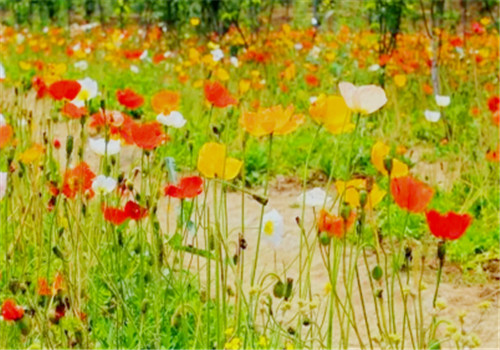
Is the corn poppy (Papavers rhoeas) toxic? Detailed explanation of the differences from the opium poppy and whether growing it is illegal
Influenced by our country's traditional culture, the term "corn poppy" always gives people too much reverie, and since this flower belongs to the Papaveraceae family, everyone naturally associates it with the opium poppy. So is the corn poppy toxic? What is the difference from the opium poppy? Is it illegal to grow corn poppies? Is the corn poppy a drug?
条件筛选