How to Grow Wax Begonia and Whether It Can Bloom in Winter
Do you like growing potted plants? Then do you like begonia flowers? If you like begonia flowers and want to grow them yourself, then let's take a look at how to grow begonia flowers together. That way you can enjoy the flowers you grew yourself, and that feeling is very different!
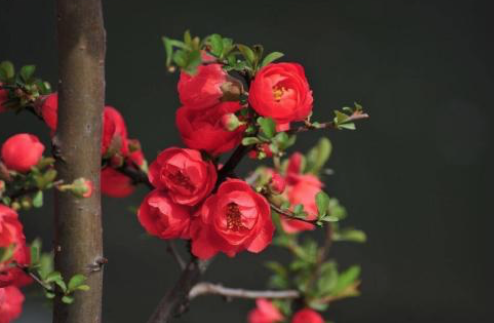
Wax begonia is a flower that many people like. This kind of flower is the most common and most widely cultivated species among begonia plants. To grow it well, you need to pay attention to its water and fertilizer management. As long as its water and fertilizer management is done well, you can grow it well.
For wax begonia, watering should follow "two more and two less", because spring and autumn are the growing and flowering periods of wax begonia, so it needs more water and the potting soil should be a little more moist; summer and winter are the dormant periods of wax begonia, so water can be reduced, and in winter watering should be even less, with the potting soil kept slightly dry. This is beneficial to the growth of wax begonia.
For fertilizing wax begonia, you can use fermented soybean cake water, rapeseed cake water, poultry manure, or human waste liquid fertilizer, all of which are fine. You should grasp the principle of "light fertilizer applied frequently". During the growing period, we should pay attention to applying fertilizer once every 10-15 days. But be careful about the concentration of the fertilizer. If the fertilizer concentration is too high, it will cause fertilizer damage; in mild cases the leaves become scorched, and in severe cases the plant dies. Fertilizer should be applied at the roots, not on the leaf surface, as that will cause yellow leaves. In summer and winter, you may not fertilize or apply only a small amount of fertilizer.
Wax begonia must be pruned of spent flowers and pinched back in time to encourage more branching and more blooming. If the pinching and pruning work is neglected, the plant tends to grow tall and spindly, the plant shape is not very attractive, and it blooms less. In winter, if wax begonia is grown indoors and the room temperature remains above 15°C, with topdressing applied, it can still continue to bloom.