Is Plant Anthracnose the Same as Animal Anthracnose? Symptoms, Prevention and Control, and Whether Human Anthracnose Is Curable
Anthracnose is an acute zoonotic infectious disease. It mainly occurs in people who have frequent contact with animals and animal product processing or who accidentally eat the meat of diseased livestock. In fact, plants can also be at risk of infection by anthracnose. So is plant anthracnose the same as animal anthracnose? What are the symptoms of the disease? How is it prevented and controlled? Can people with anthracnose be cured?
I. Is plant anthracnose the same as animal anthracnose?
1. Plant anthracnose is mainly caused by Colletotrichum fungi. Colletotrichum is a type of fungus.
2. Animal anthracnose is caused by Bacillus anthracis, and Bacillus anthracis is a type of bacterium. Animal anthracnose can be transmitted to humans, while plant anthracnose will not be transmitted to humans. However, eating vegetables and fruits affected by anthracnose is also harmful to human health.
II. What are the symptoms of anthracnose in animals and plants? How is it prevented and controlled?
1. What are the symptoms of animal anthracnose?
Animal anthracnose mainly infects herbivorous livestock such as cattle, sheep and horses. Anthracnose can occur in all four seasons, but it is more common in summer when it is hot and humid, with more rain and more insects. Cattle, sheep and other livestock usually develop acute anthracnose. Generally speaking, once the disease occurs, the livestock will suddenly fall to the ground, convulse and have difficulty breathing, and die within a few minutes.
2. Methods for preventing and controlling animal anthracnose
A 2% caustic soda solution or quicklime can be used to disinfect livestock pens. After the pens are dry, drive the livestock back into the pens. The drinking water of livestock should also be controlled to ensure that the water source is clean and hygienic. In addition, for livestock that die of unknown causes, especially those bleeding from all seven openings, skinning and butchering for meat must only be done after professionals confirm it is safe.
3. What are the symptoms of plant anthracnose?
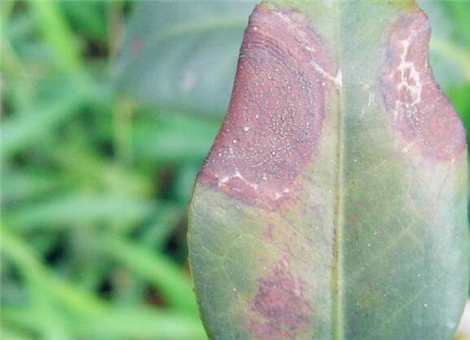
Plant anthracnose has a wider range of damage, and the main plant parts it infects include leaves, flowers, branches and fruits. On leaves, small chlorotic spots first appear at the leaf tip and leaf margin, then expand into semicircular, circular or irregular spots. The affected tissue turns yellowish brown or brown, and later small black dots appear, sometimes arranged in concentric rings. If the environment is humid, spore masses form.
4. Methods for preventing and controlling plant anthracnose
The diseased parts should be cut off promptly in the early stage of the disease. Before the disease occurs, 75% chlorothalonil 500-fold solution can be sprayed for prevention and control. For crop diseases, prevention is the main approach. While using medication, it is also necessary to ensure that crops have sufficient nutrients and water. However, the amount of water supplied must be well controlled, and there must never be waterlogging, otherwise the disease will become more serious!
III. What are the symptoms of human infection with anthrax?
There are mainly three clinical types of human anthrax infection:
1. Cutaneous anthrax
2. Pulmonary anthrax and intestinal anthrax
3. Sometimes it causes anthrax septicemia and meningitis.
4. Among these, cutaneous anthrax is the most common, accounting for more than 95% of all cases.
5. Cutaneous anthrax lesions are more often seen on exposed skin such as the face, neck, shoulders, hands and feet; the main manifestations are local skin edema, macules or papules, blisters, ulcers and eschars; the pain is not obvious, there is slight itching, and no abscess forms. With timely treatment, the fatality rate is less than 1%.
6. Pulmonary anthrax initially presents with “flu-like” symptoms, including low fever, fatigue, general discomfort, muscle pain and cough, usually lasting about 48 hours. It then suddenly develops into an acute condition, with respiratory distress, gasping and wheezing, cough, cyanosis and hemoptysis. Coma and death can occur rapidly, and the mortality rate can reach more than 90%.
7. Intestinal anthrax can present as the acute gastroenteritis type or the acute abdomen type. In the acute gastroenteritis type, nausea, vomiting, abdominal pain and diarrhea may occur at onset. In patients with the acute abdomen type, systemic toxic symptoms are severe, with persistent vomiting and diarrhea, bloody watery stools, abdominal distension and abdominal pain, often complicated by septicemia and infectious shock. If not treated promptly, it can often lead to death.
IV. Can anthrax infection be cured?
There is no need to worry too much. Anthrax can be treated. As a bacterial infectious disease, antibiotic treatment is naturally the first choice, and penicillin is the preferred drug for treatment.
The treatment of cutaneous anthrax is not difficult. In addition to using antibiotics, only simple wound care measures are needed. Other types of anthrax are generally complex and more severe, and symptomatic treatment is needed according to the specific situation.
In the late stage of anthrax, especially when systemic hemorrhagic symptoms appear, it is indeed very difficult to treat. Therefore, the key to treating anthrax patients lies in early detection, early diagnosis and early treatment. Any delay may lead to serious consequences.
V. How is anthrax prevented?
The most important point is not to come into contact with the source of infection. The main source of anthrax infection is dead diseased animals. If cattle, sheep or other animals are found to have died suddenly, do not touch, slaughter, eat or trade them. Immediately report to the local agriculture and animal husbandry department, and let that department handle it.
Once you find that you or people around you have symptoms of anthrax, you should immediately report to the local health center or disease prevention and control agency and seek medical treatment promptly. Pay attention to purchasing beef and mutton products through formal channels, and do not buy or eat meat from dead diseased livestock or meat of unknown origin.
“If cattle, sheep or other animals suddenly die of disease, diagnosis should be made in a timely manner, the source of infection should be properly handled, and direct or indirect contact with the fur, skin and excrement of these animals should be avoided.” Lu Jiahai suggested.