-

What common diseases are included in each of the Class I, Class II and Class III animal epidemics?
Animal epidemics refer to infectious diseases and parasitic diseases of animals. According to the degree of harm that animal epidemics pose to the production of the breeding industry and human health, the animal epidemics managed as stipulated by the Animal Epidemic Prevention Law of the People's Republic of China are divided into the following three classes: Class I epidemics refer to those that are
-

Sanshanxi Spring Dawn Flower Season Comes One After Another; Getting Outdoors to Enjoy Flowers Is the Healthiest Way to Prevent Epidemics
The Sanshanxi Recreation Area, taking advantage of the gap before native flowers bloom in full, spared no expense in importing tulips in more than twenty flower colors from the Netherlands, creating a garden filled with a dazzling sea of flowers that is a feast for the eyes. Next up will be the peony season, with its large blooms and noble, elegant bearing. Along the stream...
-

The Battle Against Epidemics and Food Waste 13"The Environmental Protection Administration estimates that emerging food waste treatment technologies will create NT$5 billion in business opportunities! How can a crisis be turned into an opportunity?
The Battle Against Epidemics and Food Waste 13"The Environmental Protection Administration estimates that emerging food waste treatment technologies will create NT$5 billion in business opportunities! How can a crisis be turned into an opportunity?
-
Causes of Lily Disease Epidemics and Integrated Control Techniques
I. Symptoms: They appear on leaves, stems and bulbs. When leaves are infected, leaf blight results. At first the leaf tip turns brown, with a length of 1-2 mm, then gradually worsens, and the lesion expands into a nearly triangular shape, becomes thinner, and takes on a dried-up appearance with cloud-like patterns on it. Lesions are generally 17-28 mm long and 5-8 mm wide; the largest lesion is 56 mm long and 12 mm wide. Eventually the leaf dies. Some also occur at the leaf margin as semi-elliptical brown lesions, which can also cause leaf death. Ground
-
New manifestations of swine epidemics emerge, farmers need to be vigilant
With the development of China's pig farming industry, the gradual increase of foreign pig breeds and the continuous improvement of production intensification have brought new changes to the epidemic situation of swine diseases, which should attract our sufficient attention. 1. With the influx of many foreign pig breeds, new diseases have also followed one after another. In 2001, porcine eperythrozoonosis became pandemic; in 2002, porcine reproductive and respiratory syndrome (blue ear disease) spread widely; in the second half of 2002, circovirus type Z broke out. 2. The seasonality of disease epidemics is gradually fading
-
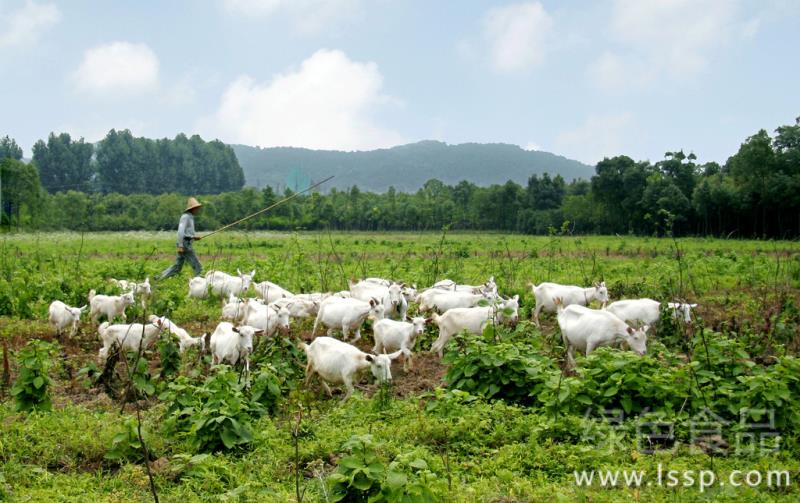
Sheep epidemics are contagious and have a high mortality rate; how can large-scale sheep farming prevent and control them?
Sheep epidemics are contagious and have a high mortality rate; how can large-scale sheep farming prevent sheep epidemics?
-
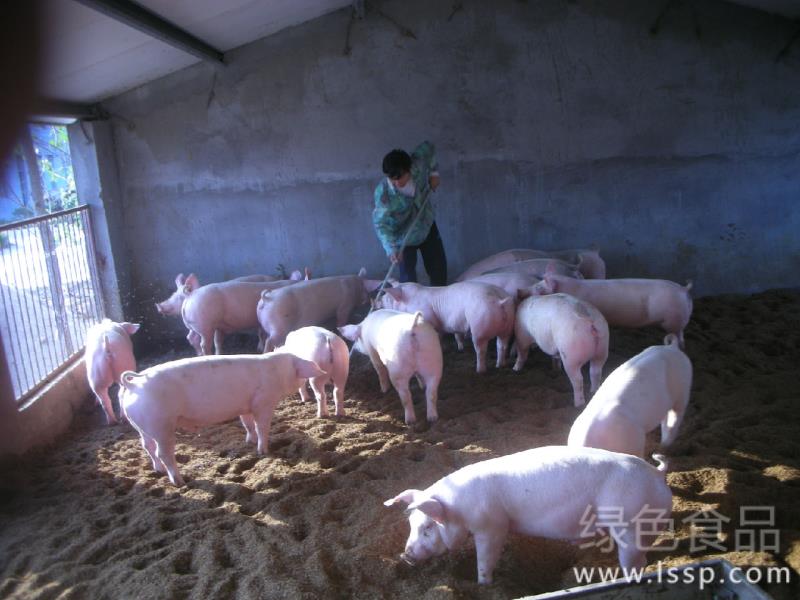
How to improve pig disease resistance: strengthen management and prevent epidemics
How to improve pig disease resistance: strengthen management and prevent epidemics
-
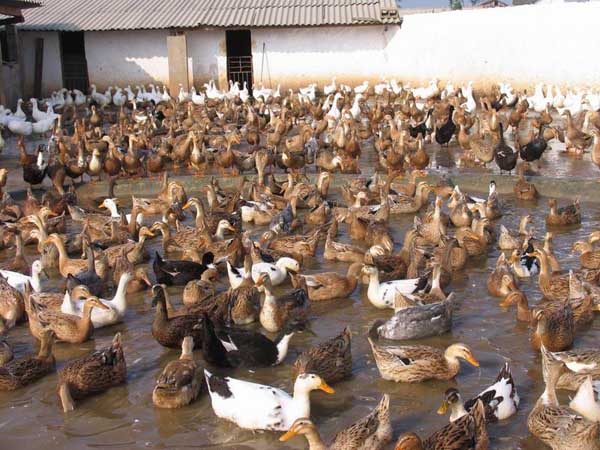
Detailed Explanation of Spring and Summer Prevention and Treatment Techniques for Duck Epidemics
Spring and Summer Duck Epidemic Prevention and Treatment Techniques
-
Full-scale push for prevention and control of major animal epidemics in autumn and winter
On September 10, the Ministry of Agriculture held a national video conference on autumn prevention and control of major animal epidemics, thoroughly analyzing the current animal epidemic prevention and control situation and making arrangements for the prevention and control of major animal epidemics in autumn and winter. Vice Minister of Agriculture Yu Kangzhen stressed that strong measures must be taken.
条件筛选