Sheep epidemics are contagious and have a high mortality rate; how can large-scale sheep farming prevent and control them?
1. Regular disinfection. Regularly disinfect the sheep shed with disinfectants to kill bacteria and viruses, reduce parasites, and prevent disease. Regular disinfection requires establishing relevant systems. First, set up a disinfection pool at the entrance of the sheep shed and keep the disinfectant solution effective; second, under normal circumstances, disinfect once a week, and when a disease outbreak occurs, disinfect 3 times a week; disinfectants can be quicklime, caustic soda, organochlorine preparations, complex iodine, quaternary ammonium salts, etc. Specific procedure: remove all kinds of filth from the sheep farm, wash the site clean, and then spray the disinfectant.
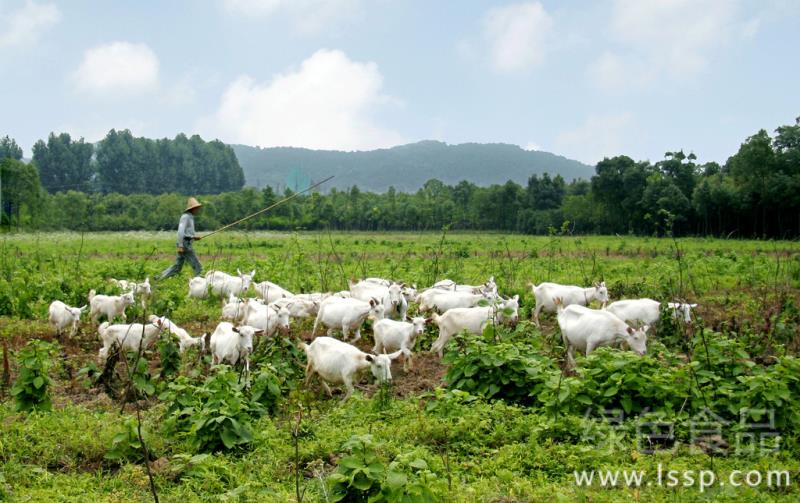
Sheep flock
2. Deworming and stomach strengthening. Parasitic diseases harm the sheep farming industry, mainly including mites, tapeworms, gastrointestinal nematodes, liver flukes, etc. Carry out regular deworming once a quarter, and it is best to use albendazole and ivermectin at the same time. Specific usage: orally administer 15 mg of albendazole per kg of body weight, and at the same time inject 0.2 mL of 0.1% ivermectin injection per kg of body weight intramuscularly.
3. Quarantine and monitoring. Large-scale sheep farms, especially breeding sheep farms, need regular quarantine and monitoring for tuberculosis and brucellosis, at least once a year. When positive sheep are found, they should be culled promptly, which can both protect the health of the sheep flock and ensure the safety of sheep products.
4. Vaccination. Using vaccines (bacterial vaccines) to carry out planned preventive vaccination of the sheep flock can improve the flock's resistance to corresponding diseases and prevent disease occurrence. Do a good job in immunization against sheep pox, sheep Clostridium welchii disease, sheep foot-and-mouth disease, etc., and carry out timely supplementary vaccination. Specific procedure: goat pox vaccine is used for all ages, diluted with normal saline, and 0.5 mL is injected intradermally on the inner side of the tail base of each sheep; sheep type "O" foot-and-mouth disease vaccine is injected intramuscularly at 0.5-1 mL for 4-24 months of age, and 2 mL intramuscularly for those over 24 months of age, once each in spring and autumn every year; sheep Clostridium welchii and Pasteurella bivalent vaccine is used for those over 2 months of age, with 3 mL injected intramuscularly per sheep.