-

How can chicken farming be both efficient and safe? Key points explained
1. Secrets to increasing egg production in summer In summer, chickens reduce their feed intake, and egg production drops or even stops. To restore normal egg production, besides measures to prevent heatstroke and lower the temperature, trimming the chickens' feathers is also an effective method, namely cutting off the feathers on the chickens' chest, legs and left and right wings, while keeping the feathers on the neck
-
What are the new techniques for planting mulberry and raising silkworms? A detailed explanation of the latest efficient methods
If you want to breed animals or plants, you must learn their breeding techniques. To raise mulberry silkworms, you can plant mulberry trees yourself. Let us take a look together at how to plant mulberry and raise silkworms. Latest efficient new techniques for planting mulberry and raising silkworms. 1. Establish and improve the management system. The mulberry silkworm industry
-
Growing Strawberries: How to Achieve High-Yield and Efficient Cultivation of Large-Fruited Four-Season Strawberries
Selva and Miedelait are two new large-fruited day-neutral strawberry varieties. These two varieties flower in all four seasons, bear fruit every month, and produce large, delicious fruit of excellent quality, solving the problem of strawberries being overly concentrated on the spring market while the summer and autumn market is left empty, and achieving year-round
-
Efficient Oyster Mushroom Cultivation Techniques: A Detailed Guide to Foolproof Growing Methods
The oyster mushroom is a highly nutritious fungal food ingredient with a delicious flavor, and it can supplement large amounts of vitamins and minerals, making it deeply loved and sought after by everyone. As the oyster mushroom market faces demand exceeding supply, the number of people growing oyster mushrooms is gradually increasing, so how should oyster mushrooms be grown for the best results
-
High-yield and efficient cultivation techniques for straw mushrooms: growing conditions of straw mushrooms
The maturity season of straw mushrooms falls in summer every year, so as soon as summer arrives, they can be seen at any time. Straw mushrooms are very popular in daily life, so many people now want to grow them. But before cultivating them, you must not act blindly; first you need to have an in-depth understanding of them. ⟦4 <p>The maturity season of straw mushrooms falls in summer every year, so as soon as summer arrives, they can be seen at any time. Straw mushrooms are very popular in daily life, so many people now want to grow them. But before cultivating them, you must not act blindly; first you need to have an in-depth understanding of them.</p><p></p><p><strong>High-yield and efficient cultivation techniques for straw mushrooms</strong></p><p>1. Construction of the bed frame: The cultivation bed frame for straw mushrooms is the same as that for button mushrooms. The bed frames and the mushroom house should be arranged perpendicular to each other; that is, in an east-west oriented mushroom house, the bed frames are arranged north-south. The beds should not lean against the walls; the aisle along the wall is 50 cm, the aisle between bed frames is 67 cm wide, the distance between each layer of the bed frame is 67 cm, and the bottom layer is more than 17 cm above the ground. The number of bed frame layers depends on the height of the mushroom house, generally 4-6 layers, and the bed frame width is 1.3-1.5 m. The bed frames can be built with bamboo or wood; reinforced concrete bed frames are even better. On the walls at both ends of each aisle, a pair of upper and lower windows should be opened. The window size is best at 40 cm wide and 50 cm high. On the roof in the middle of the aisle between bed frames, install one ventilation chimney, 1.5 m high and about 40 cm in diameter.</p><p></p><p>2. Secondary fermentation of the substrate: Loosen and mix evenly the substrate that has undergone heap fermentation, and move it while hot onto the bed frames in the mushroom house. At this time, the water content of the substrate is best at about 70%, and the pH value is about 9. The spreading thickness of the substrate differs for different cultivation materials. For waste cotton residue or cottonseed hull substrate, generally spread to a thickness of 7-10 cm; for chopped rice straw substrate, spread 12-15 cm; for long rice straw, spread 20 cm. When summer temperatures are high, the substrate should be spread appropriately thinner. When winter temperatures are low, the substrate should be spread appropriately thicker. After spreading the substrate, immediately introduce steam into the mushroom house or place a coal stove for heating, so that the cultivation temperature reaches about 65 degrees C and is maintained for 4-8 hours, then let it cool naturally. When it drops to about 45 degrees C, open the doors and windows. Secondary fermentation can kill pests and harmful contaminating fungi in the mushroom house and substrate, is conducive to the massive reproduction of beneficial microorganisms such as thermophilic actinomycetes, and is even more conducive to the growth of straw mushrooms, making it easy to obtain high yields.</p><p></p><p><strong>Growing conditions of straw mushrooms</strong></p><p>1. Nutrition. Under high-temperature conditions, mushrooms grow and develop normally, have vigorous metabolism, grow quickly, and have high yields. In addition to needing sufficient carbon sources, they require more readily available nitrogen nutrition than button mushrooms.</p><p>2. Temperature. The temperature range for mycelial growth is 20-38 degrees C, and the optimum temperature is 26-32 degrees C. The temperature range for fruiting body growth and development is 24-38 degrees C, and the optimum temperature is about 26-31 degrees C. The temperatures for mycelial growth and fruiting body growth and development are almost the same, and when the mycelium transforms from vegetative growth to the reproductive stage of fruiting bodies, it does not need the temperature-difference stimulation of cooling, which differs from the characteristics of the button mushroom.</p><p>3. Moisture. Because the growth temperature is high, growth is fast, and mushroom production is abundant, the water requirement is greater than that of general varieties. During the spawn-running period, the water content of the compost is about 65%. During the fruiting period, the water content of the casing soil layer (sandy loam from a vegetable garden) is about 22%. During fruiting body growth, the relative air humidity is about 90%.</p><p></p><p><strong>Management of straw mushrooms during the fruiting period</strong></p><p>Generally 5-6 days after sowing, when the straw mushroom mycelium begins to knot, promptly increase the moisture of the substrate surface, apply the “fruiting water” well, and increase indoor light to promote the formation of straw mushroom fruiting bodies. When a large number of small white pinhead primordia form, focus on moisture retention, maintain relative air humidity above 90%, and temporarily stop spraying water on the bed surface. When the fruiting bodies are the size of buttons, gradually increase the amount of water sprayed.</p><p></p><p><strong>Management and harvesting of straw mushrooms</strong></p><p>1. From sowing to the start of harvesting, straw mushrooms take only about 12 days. Straw mushrooms grow quickly and easily open their caps, so timely harvesting must be achieved. The suitable harvest time for commercial straw mushrooms is when the primordia have grown fully and the basal volva has not yet opened the cap. During the peak production period, harvest 2-3 times a day. When harvesting, press the substrate down with one hand and gently twist off the fruiting body with the other; be sure not to damage the immature young primordia. The harvested mushrooms should promptly have the rotten straw and mud-sand at the base of the fruiting bodies cut off with a sharp small knife, and be sent promptly to the market for fresh sale. In addition to fresh sale, they can also be processed into dried straw mushrooms and canned straw mushrooms.</p><p>2. After harvesting the first batch (flush) of mushrooms, generally after 4 days the second batch (flush) of mushrooms will appear. With proper management, 2-3 batches of mushrooms can be harvested. But the main one is the first batch of mushrooms; generally the yield of the first batch accounts for about 80% of the total yield. Some mushroom houses, in order to improve the utilization rate of the mushroom beds, usually harvest only one batch of mushrooms.</p><p></p><p>In fact, as long as you master good techniques, straw mushrooms are still very easy to grow. Before planting, you need to understand the growth habits of straw mushrooms, and then cultivate them at the appropriate time. In the later stage of cultivation, fruiting management must be done well so as to ensure their growth. When processing and harvesting, you should also pay attention to the methods.</p>
-
Elm Oyster Mushroom Cultivation Techniques: Efficient Cultivation Methods for Elm Oyster Mushroom
There are many cultivation methods for the elm oyster mushroom, for example: indoor mushroom brick cultivation. For this method, the process is very simple, easy to operate, and contamination is not easy to occur. Ordinary farmers can grow it without restrictive conditions, and it is more suitable for planting in home courtyards.
-
Detailed Explanation of High-Yield and Efficient Watermelon Cultivation Techniques
Abstract Seed sprouting and seedling raising: The seeds need to be soaked in warm water. The open-field planting time is from mid-to-late April to early June, and insulated seedling raising is carried out at the end of March or early April. Reasonable close planting: plant about 450-500 plants per mu. Reasonable fertilization: follow the principle of light application and frequent application.
-
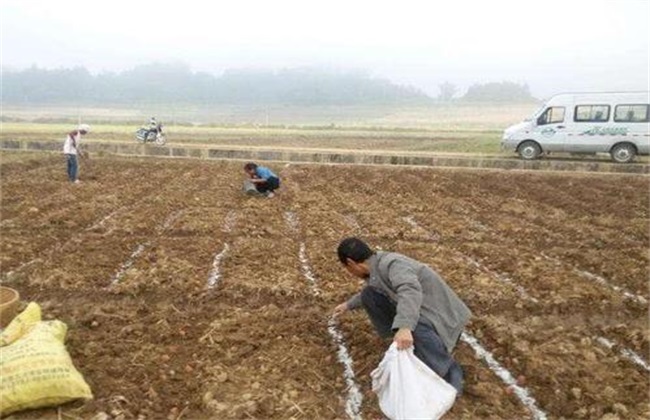
How can fertilization be efficient? A detailed explanation of techniques and methods
Efficient fertilization techniques and methods
-
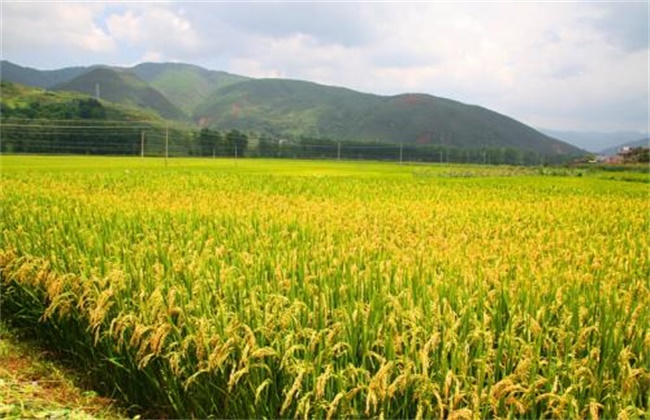
A detailed explanation of rice's fertilizer requirements: scientific fertilization is more efficient
Rice's fertilizer requirements
-
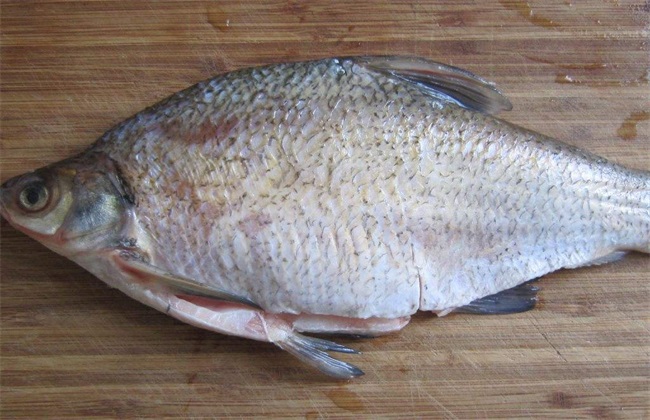
Detailed Explanation of Key Techniques for Efficient Bream Breeding
Efficient Bream Breeding Techniques
条件筛选