-
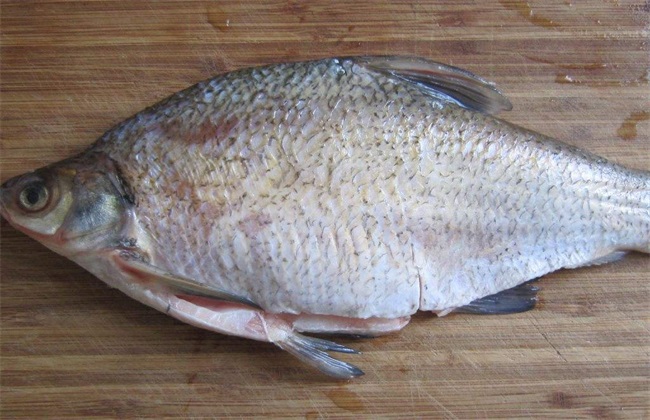
Detailed Explanation of Key Techniques for Efficient Bream Breeding
Efficient Bream Breeding Techniques
-

High-yield and efficient pond culture techniques for grass carp, practical and comprehensive
Using first-hand aquaculture experience from the production front line to boost fishery development and lift industry returns Grass carp is one of China's Four Major Chinese Carps, and it is also one of China's main...
-

4 Key Points of Efficient Goat Farming Technology in Mountainous Areas!
China has a large population and is a major agricultural country. With the promising outlook of the mutton market, vigorously developing the farming industry to enrich oneself not only meets domestic demand, but...
-

Introduction to Taiwan loach and detailed explanation of high-yield and efficient breeding technology
Introduction to Taiwan loach and high-yield and efficient breeding technology 1 Introduction to Taiwan loach Taiwan loach is a fish of the loach family, and has the reputation of "ginseng of the water" and "king of loaches"...
-
Efficient Crayfish Farming - What to Do About Crayfish Tail Rot Disease?
[Cause] Caused by injury to crayfish, cannibalism among them, or infection by chitin-decomposing bacteria. [Symptoms] In the early stage of infection, water sores appear on the crayfish tail, with the edges ulcerating and necrosis...
-

Efficient Apiary Management Methods and Practical Tips
In spring, the apiary should be set up in a dry, sunny, sheltered place, and should not be set up in open fields, because cold winds blow, heat escapes from the hive, which is unfavorable for reproduction and forces the bees to generate heat, consuming large amounts of stored honey. For dense colony heat in early spring reproduction, the bees and combs should be kept in proportion to promote egg laying. As the temperature gradually rises and the colony strength develops, this can be appropriately relaxed. When the climate is warm and the colony is strong, each frame should still maintain 60% bees. In box-splitting management, two weak colonies or medium colonies are separated in the middle by a partition board and kept together in one box, each with its own entrance. This
-
3 Management Points for Safe and Efficient Pig Farming in Winter
Winter temperatures are low and the weather is cold, which is not conducive to the normal growth and development of pigs and also makes them prone to disease. Therefore, safe pig farming in winter should revolve around the theme of cold protection, and specifically the following three aspects should be grasped: 1. Raising the temperature. There are many ways to raise the temperature of pig housing, but there are four simple, economical and practical methods: 1. Cover open-style pig housing with plastic film. It is best to cover with double-layer plastic film. Although the cost is somewhat higher than single-layer plastic film covering, the insulation effect is better. This
-
Want to raise pigs safely and efficiently in winter? Managing these three aspects is key
Winter temperatures are low and the weather is cold, which is not conducive to the normal growth and development of pigs, and also makes them prone to illness. Therefore, safe pig raising in winter should revolve around the theme of cold protection, and specifically the following three aspects should be grasped: 1. Increasing the temperature. There are many ways to raise the temperature of the pig house, but there are four simple, economical, and practical methods: 1. Cover open-style pig houses with plastic film. It is best to cover with double-layer plastic film. Although the cost is higher than single-layer plastic film covering, the insulation effect is better. This method is suitable
-
Detailed Explanation of Key Points for New Efficient Rearing Techniques for Late-Stage Silkworms
During the late-stage rearing period, especially the fifth instar, mulberry consumption accounts for about 85% of the entire rearing period, and a large amount of labor, such as removing excrement, feeding mulberry leaves, and picking ripe silkworms, is concentrated in the fifth instar. According to surveys, traditional silkworm tray rearing. Not only requires a large amount of labor, but also makes silkworm rearers extremely exhausted, with low labor efficiency. Using fixed rearing stands for late-stage silkworms with automatic mounting, without removing excrement, without picking ripe silkworms, and without moving trays up and down, mulberry feeding and mounting are convenient. Compared with traditional silkworm tray rearing, it can save more than 50% of labor and reduce labor intensity by 40%-50%. 1.
-
What are the key techniques for efficient fox farming?
1. Vaccinate on schedule and pay attention to drug prevention. Vaccinate twice a year, once in November-December when keeping breeding stock and once in June-July, 3 weeks after the cubs are separated and weaned, using vaccines for canine distemper, viral enteritis, encephalitis, etc., to vaccinate each animal individually, and use the deworming drug Chongkexing to deworm the foxes both internally and externally once. 2. Keep the sheds dry and sanitary. Wash the water bowls and feed bowls frequently, and promptly remove feces and leftover feed from the cages and sheds; regularly spray the ground of the whole site and the cages and sheds with Baidusha solution. 3. Sci
条件筛选