Detailed Explanation of Key Techniques for Efficient Bream Breeding
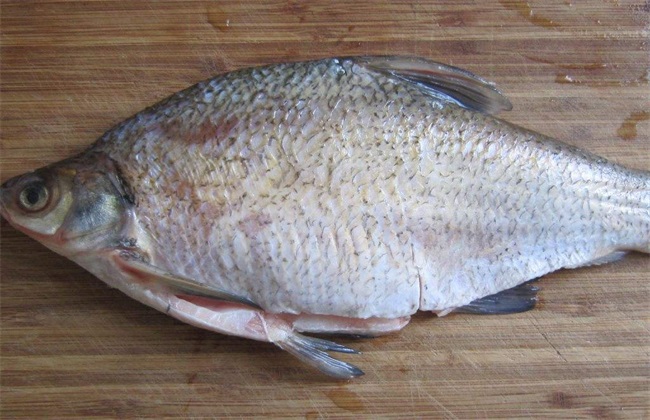
Bream has several names; in some places it is also called triangular bream or long-bodied bream, and it mainly grows in the Yangtze River region. It has strong adaptability, is relatively easy to farm, and has a delicious taste, making it a major farmed freshwater fish. In the wild, bream reproduction occurs naturally, but in farming it can be reproduced artificially. Therefore, the specific methods of artificial reproduction should be introduced.
1. Maturity and Spawning
Bream reaches sexual maturity at over 2 years of age. In the Yangtze River region, it enters the spawning period in late April, specifically spawning when the water temperature reaches above 20 degrees. During the spawning period, pearl organs appear on the body, and the spawning environment is a micro-flowing water environment, which stimulates natural spawning, but they can be separated and cultivated in advance for induced breeding. Seedlings can be raised in batches according to spawning time.
2. Fry Hatching
After spawning, hatching needs to be done in flowing water, keeping clean flowing water continuous and maintaining a suitable temperature; they can be hatched separately in nursery ponds. Generally, the fry hatch in about three days. After hatching, the fish gradually become active. At first they do not feed; once they can move, they need to be fed. Feed cooked egg yolk, and after a few more days they can be fed soybean milk. After that, the nursery pond needs to be fertilized and the fry raised.
3. Feeding Methods
After feeding for two to three weeks, when the fish are seen to have grown to 3 cm, they need to be divided into separate ponds because they are too crowded. After another month of farming, when the fish are seen to have grown to about 5 cm, they should be dispersed again. About one mu of water surface can cultivate 40,000 fry, mainly by cultivating plankton and feeding soybean milk and aquatic plants. Continue farming, polyculture some black carp, and feed duckweed and soybean cake slurry. When they grow to 10 cm, fry cultivation is complete.
4. Precautions
Brood fish can be caught directly from the wild, and they can only be used as brood fish after being raised in ponds for one year. Mature parent fish can be freely selected and grouped, and hormones can be used to induce spawning. Spawning nests and similar structures need to be set up to facilitate egg attachment. Eggs can be collected and fertilized artificially, then treated and hatched, which can shorten the reproduction time. However, it is not as good as natural spawning and fertilization.
Bream is a common farmed freshwater fish. Breeding requires good brood fish, mature eggs, and normal fertilization. Successful hatching leads to a high survival rate in cultivation.