-

How to Prevent Heatstroke and Cool Down Pigs in Summer? A Detailed Guide to Practical Methods
Pigs are afraid of heat. In the hot summer, if heatstroke prevention and cooling methods are improper, pigs will suffer heatstroke and in severe cases die, causing unnecessary losses. The heatstroke prevention and cooling methods are as follows: 1. Suitable temperature: Because pigs vary in body weight, their growth and development requirements for suitable temperature differ. For a pig weighing about 20 kg, the suitable ambient temperature is 24°C; for 50 kg, 23°C; for 100 kg, 20°C. In general, the temperature suitable for pig growth is 15-28°C, and the optimal temperature is 22°C. If the temperature reaches 35°C and cooling work cannot keep up, pigs weighing 45 kg
-
What are the prevention and treatment methods for pig heatstroke?
In 1996, Waisha Town saw a wave of pig farming. Due to insufficient funds, there were many small pig farms. Only one had a certain scale, producing over a thousand pigs per year, 8 produced several hundred per year, and many were farm-style pig farms producing several dozen per year. Sows were mainly Landrace-Yorkshire and Yorkshire-Landrace crossbred offspring. Largely because the pig houses were low and small, the equipment was crude, ventilation was insufficient, the sheds were stuffy and hot, and the smell of pig manure and urine was strong and foul, every year during the hot weather from June to early September, those obese non-pregnant sows or pregnant sows would suffer heatstroke. If not discovered in time
-
What are the control methods for seed-borne diseases of the three wheats?
The main seed-borne diseases of the "three wheats" are stripe disease, smut, and net blotch. To control these diseases, in addition to measures such as selecting disease-resistant varieties, crop rotation, and adjusting sowing dates, the key is to do a good job of seed treatment. Seed treatment can use the following methods: (1) Use 12.5 milliliters of 10% seed soaking agent, add 4 kg of water, and mix with 50 kg of seeds; or use 100 grams of 2% Silvacur, add 4 kg of water, and mix with 100 kg of seeds, which can control stripe disease and smut. (2) Use 150 grams of 2% Silvacur, add
-
Identification of Heatstroke Symptoms in Sheep and Detailed Explanation of Treatment Methods
Heatstroke in sheep is the collective term for sunstroke and heat exhaustion. Sunstroke is an acute lesion caused by direct sunlight on the sheep's head, leading to congestion of the brain and meninges; heat exhaustion is a disease in which damp, muggy weather causes the body's heat production to exceed heat dissipation, causing heat to accumulate within the body and resulting in central nervous system disorder. Expert analysis of the disease. (1) Causes: Sunstroke is caused by direct exposure of the head to strong sunlight, making the head overheated and causing congestion of the brain and meninges. Heat exhaustion is caused by excessively high external temperatures, or a damp, muggy, crowded and cramped sheep shed, or poor ventilation during transport by vehicle or boat, with heat
-
What is the reason that shiitake mushroom fermentation heats up quickly?
Developing and utilizing natural resources to grow shiitake mushrooms is a fast path to wealth, and using crop by-products to cultivate shiitake mushrooms is an effective way to lower production costs and improve economic returns. When making shiitake cultivation substrate, if the fermentation speed is too slow and the temperature is low, it will seriously affect the quality of the substrate and production efficiency, thereby greatly reducing the economic returns of mushroom growers. So how can shiitake cultivation substrate be fermented quickly? Below is a method for rapid fermentation using Jinbaobei starter culture, which is absolutely convenient and practical. Using this method to cultivate shiitake
-
What to Do When Chickens and Ducks Suffer Heatstroke? Detailed Prevention and Treatment Measures
1. Causes of heatstroke in chickens: Persistently high temperatures, low chicken house height, poor heat prevention and cooling facilities, and lack of ventilation cause obstacles to the dissipation of accumulated heat in the house, making the temperature inside high; excessive stocking density means the flock releases more heat, raising the house temperature; manure is not cleaned in time, and after chicken manure accumulates, the ammonia concentration in the house increases and humidity rises, and under high temperature and high humidity, chickens' heat dissipation is impaired; insufficient drinking water; feed energy is too high, causing chickens to become overweight and accumulate too much body fat. 2. Symptoms and pathological changes of heatstroke in chickens: First
-
How to prevent and treat heatstroke in cattle? A detailed explanation of integrated prevention and treatment technical points
Heatstroke in cattle is a common disease in summer and autumn, especially in draft cattle and calves. If heatstroke in cattle is not prevented and treated in time, it often causes death or seriously affects farm work, so great attention should be paid to it. I. Causes and symptoms. Heatstroke in cattle is the general term for sunstroke and heatstroke. In hot seasons, when the head of cattle is exposed to intense sunlight, it causes congestion of the blood vessels of the brain and meninges and substantive brain lesions, resulting in sunstroke. Narrow, low, stuffy, humid, and poorly ventilated cattle sheds; excessive work and insufficient drinking water; walking for a relatively long time on cement or
-
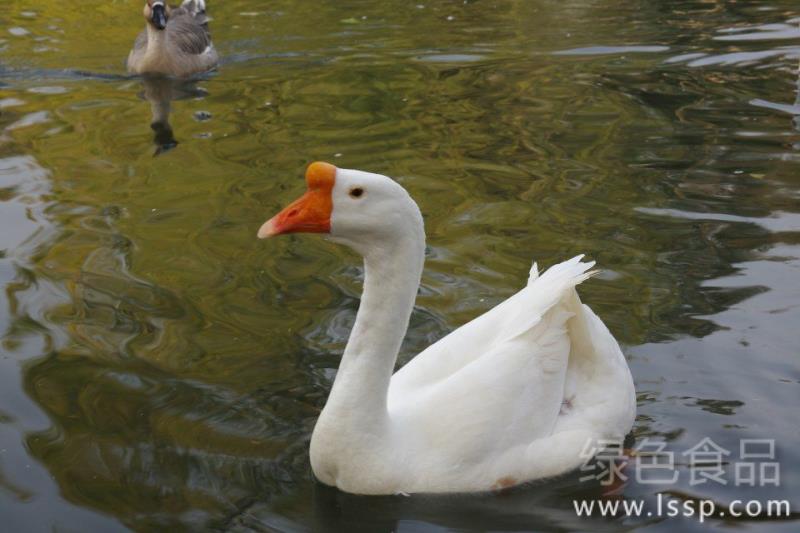
Symptoms and Prevention Methods of Heatstroke in Geese During Summer High Temperatures Due to Lack of Sweat Glands
Summer High Temperatures, Geese Lack Sweat Glands and Are Prone to Heatstroke: Symptoms and Prevention Methods of Heatstroke in Geese
-
Both sunstroke and heatstroke in pigs are caused by high temperatures
In the hot summer, pigs are prone to heatstroke. In fact, heatstroke is the collective term for sunstroke and heatstroke, which traditional Chinese veterinary medicine calls black-sweat wind. Causes The causes of sunstroke and heatstroke differ, but their pathological processes cannot be completely separated. Sunstroke occurs when pigs are exposed to direct sunlight for too long, causing a rise in physiological body temperature and overheating and warming of the skin, which dilates the skin blood vessels. On the other hand, overheating of the head leads to congestion of the brain and meninges, ultimately causing disorders of the cerebral cortex regulatory function and the vital centers in pigs.
-
What to Do If a Duck Suffers Heatstroke? Main Symptoms and Treatment Methods
After a duck suffers heatstroke, its body temperature rises, it squats and is unwilling to move, breathes with its mouth open or spreads its wings to dissipate heat. Subsequently, it becomes unsteady on its feet and experiences paroxysmal coma and paralysis. (The specific signs are the duck's head touching the ground or shaking its head, and being unsteady on its feet. When driven, it can run normally again, but before running far it again shows head touching the ground, coma, or head shaking and other neurological symptoms.) The treatment methods are as follows: 1. When a duck is found showing symptoms of heatstroke, it should immediately be moved to a shady place or a shade shed or shade net should be set up. 2. Use electrolytic vitamins or water-soluble vitamin
条件筛选