-

What are the methods for controlling pests and diseases of poinsettia?
1. Poinsettia gray mold Symptoms: After the inflorescence is infected by the pathogen, it initially shows grayish-brown spots, then rapidly wilts and rots. The pathogen then spreads along the flower stalk and begins to damage the flowering branches, causing the young twigs to die, turning yellowish-brown, and often producing grayish-brown mold-like growth on them. Control methods: Maintain a suitable temperature for poinsettia
-

What are the methods for controlling pests and diseases in mustard greens?
Pest and disease control methods for mustard greens
-
Identification and control methods for diseases of the Brazilian wood plant
Gray mold control: During cultivation, the soil must be moist and sunlight abundant, and the soil is required to be loose, fertile and well drained, with the wintering temperature not lower than 16°C. When the disease occurs in the rainy season, remove diseased residues, drain promptly after rain, prevent moisture from lingering, and strengthen ventilation and light penetration
-
What are the common diseases of the ripple peperomia?
I. Rot: The most common diseases of the ripple peperomia are root rot and stem rot. Symptoms: 1. Root rot: It is mainly concentrated on the roots and is caused by pathogens. It mainly harms young plants, but adult plants will also develop this disease if not cared for properly.
-
What are the common pests and diseases of lotus? A detailed explanation of prevention and control methods
1. Black spot disease: In the early stage, irregular brown lesions appear on the leaf surface, with slight concentric rings. Later, dark black mold-like growth appears on the lesions, and several lesions often join together to form large patches. In severe cases, the entire plant dies.
-
Common Diseases of Fatsia japonica and Their Control Methods
Chlorosis. Chlorosis is a common disease of Fatsia japonica. When chlorosis occurs, the leaves lose their green color and turn yellow. There are many causes of chlorosis in Fatsia japonica; it may be iron-deficiency yellowing or other causes. Generally, during cultivation, management should be strengthened and fertilization should be rational, which can treat chlorosis.
-
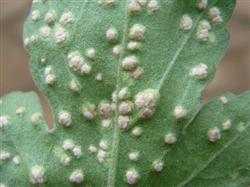
How to prevent and control pests and diseases in chrysanthemums? Methods and key technical points
The most serious disease of chrysanthemums is chrysanthemum leaf spot, which starts on the lower leaves of the plant, with spots scattered across the leaves. At first they are chlorotic spots, then turn brown or black, and the spots gradually enlarge into round, oval or irregular shapes. They are 2 mm to 10 mm in diameter, gradually enlarging and increasing in number, spreading from the lower part of the plant upward, ...
-
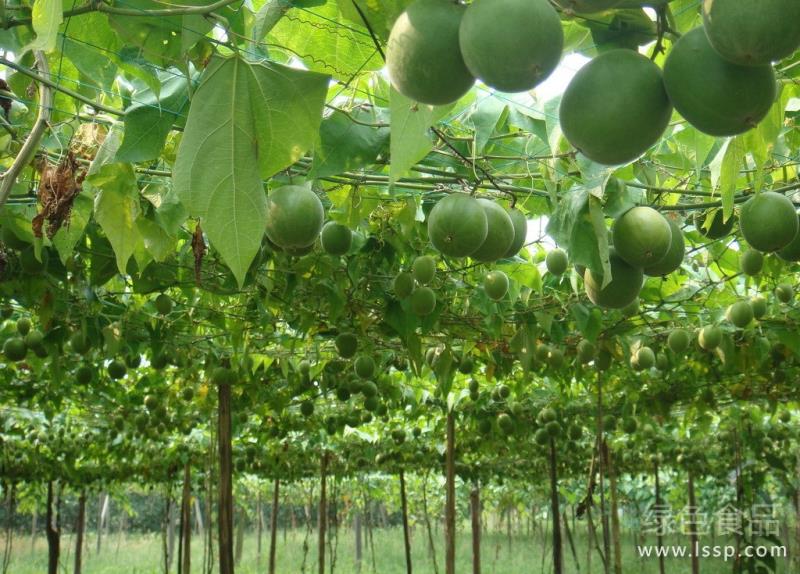
How to prevent and control pests and diseases in fruit trees without spraying pesticides to reduce chemical pollution
Reducing chemical pollution: how to prevent and control pests and diseases in fruit trees without spraying pesticides
-

What are the common pests and diseases on pomegranate trees?
Common pests and diseases of pomegranate trees
-
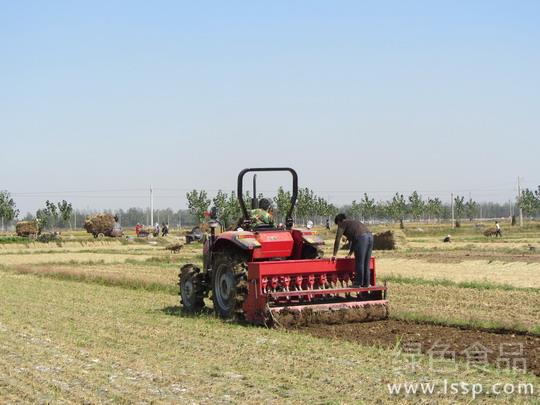
Wheat no-till seeding technology saves time and labor and increases income
Time-saving, labor-saving and income-increasing wheat "no-till seeding" technology
条件筛选