-

What are the control methods for burdock pests and diseases?
Control methods for burdock pests and diseases
-
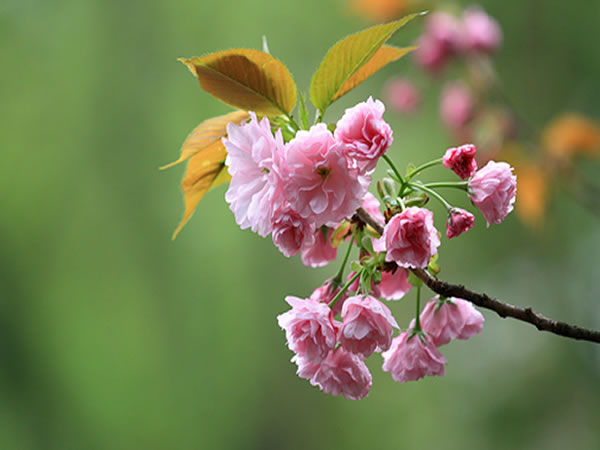
What are the common pests and diseases of Japanese late cherry?
Root nodule disease The site where root nodule disease occurs is on the ground or near the root crown close to the ground, thereby causing stunted plants and poor growth. When the disease occurs, root nodules of various shapes form on the roots of the plant, appearing brown, with rough epidermis often accompanied by cracking. Anthracnose In the early stage of anthracnose
-

What are the common pests and diseases of the purple-leaf sand cherry?
1. Diseases. The common disease of the purple-leaf sand cherry is crown gall, a bacterial disease. Once infected, it causes the root stem mass of the purple-leaf sand cherry to overgrow into a gall-like shape, which is why it is called crown gall. This bacterium mainly spreads when watering trees, through rainwater and during the transport of seedlings, entering through tree wounds to cause disease.
-
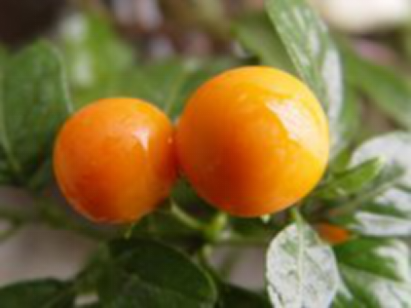
Pests and Diseases of Jerusalem Cherry and Their Control Methods
1. Diseases. When growing Jerusalem cherry, note that it is prone to anthracnose during periods of high summer heat. This disease is generally caused by fungal infection. Every year in June and July, not only are temperatures high but there is also plenty of rain, and air humidity is high, so Jerusalem cherry is extremely susceptible to anthracnose during this season.
-
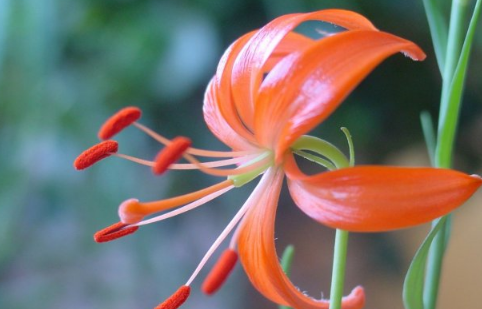
How to prevent and control pests and diseases of the Lilium pumilum?
1. Aphids Symptoms: Aphids are a common pest of the Lilium pumilum. The leaves of the Lilium pumilum turn yellow and drop, and in severe cases dense insects appear on the flowers and leaves, causing the flowers to wither. Prevention and control methods: Maintain good ventilation conditions, and it should not be too humid. After pests appear, they can be washed off with clean water or soapy water, and diseased leaves should be removed promptly.
-
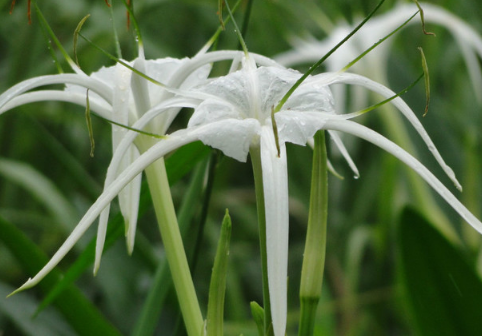
A Detailed Guide to Identifying and Controlling Common Diseases of the Spider Lily
Anthracnose symptoms: Anthracnose is a fungal disease that mainly affects the leaves of the plant and is highly detrimental to its growth. Control methods: Promptly prune and burn the diseased leaves. Before flowering in spring, spray a 600-fold dilution of 40% sulfur-carbendazim suspension. Keep the environment moist and avoid over-applying nitrogen fertilizer.
-
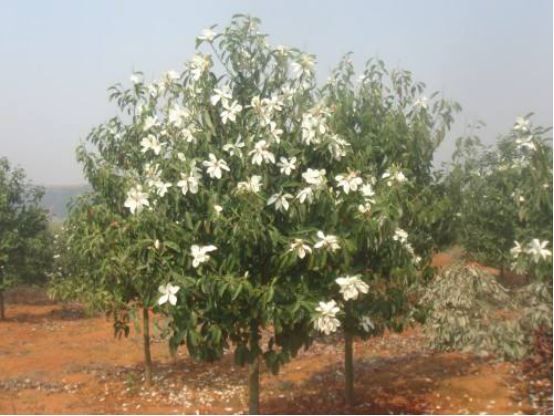
How to prevent and control pests and diseases during the seedling stage of Michelia maudiae
1. Root rot, stem rot, and anthracnose. When the above diseases are found, diseased seedlings should be pulled out promptly and burned together, and sprayed with a 1%-3% ferrous sulfate solution once every 4-6 d for 2-4 consecutive times
-
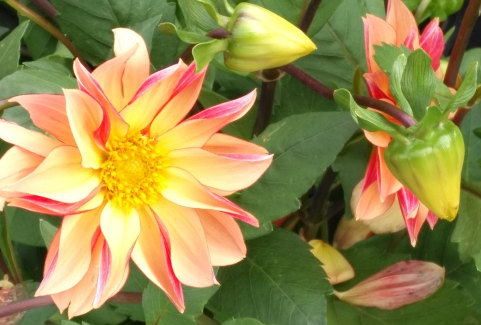
Control Methods for Common Diseases of Dahlia
Powdery mildew symptoms: Powdery mildew mainly attacks the leaves, flower stalks and flower buds of the plant. When the plant is affected, round white powdery patches appear on the plant, causing the leaves to twist and wither. Control methods: Powdery mildew mostly occurs in autumn. When the disease breaks out, a diluted solution of antimycin can be sprayed, which has a very good control effect.
-
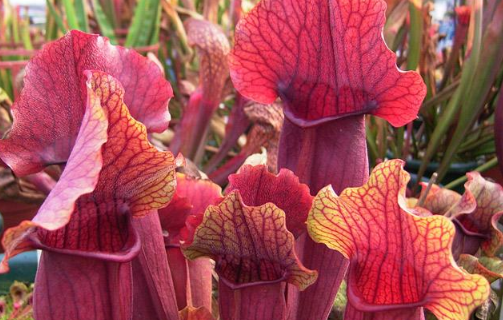
What are the common diseases of pitcher plants? Detailed solutions
Causes of root rot The root system of the pitcher plant is fairly well developed, and it is usually potted with sphagnum moss. If the pot has poor air permeability, is relatively shallow, or is watered too frequently, waterlogging in the pot easily occurs and triggers root rot. Solutions The flower pot should be a deep pot, at least 10 cm or more, and the bottom of the pot should preferably have holes; when potting with sphagnum moss, it does not need to be fully covered
-
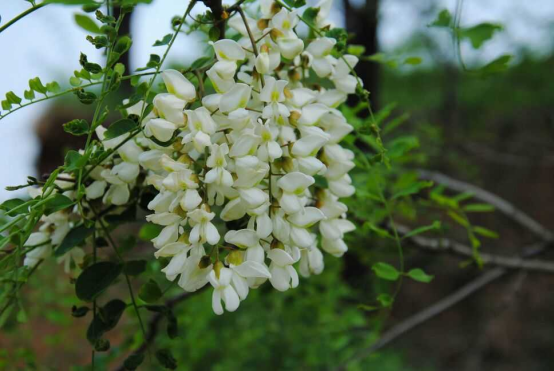
A Detailed Guide to Common Diseases of Sophora japonica Flowers and Their Control Methods
1. Sophora japonica leaf scorch disease. Symptoms: The edges of the pagoda tree leaves turn withered and yellow, and in severe cases the flowers may drop off. This disease may be caused by bacteria or by a calcium deficiency. Control methods: Do not grow pagoda trees at high temperatures, since pathogens multiply quickly in heat, and keep humidity well controlled.
条件筛选