-
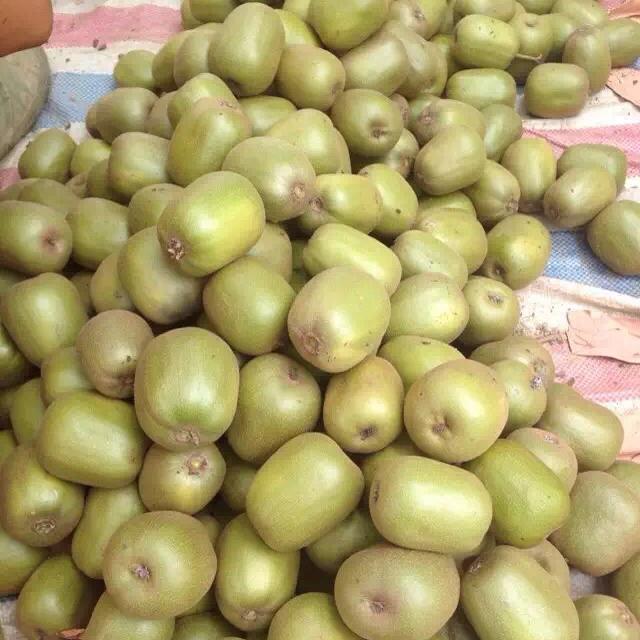
Detailed Explanation of the Damage Symptoms, Occurrence Patterns and Control Methods of Common Kiwifruit Diseases
Damage Symptoms, Occurrence Patterns and Control Methods of Common Kiwifruit Diseases Fund Project: 2016 Tai'an City Science and Technology Development Plan (2016NSOO57); Shandong Provincial Key R&D Plan (2017GNC10118). 1 Bacterial canker Kiwifruit bacterial canker is caused by...
-
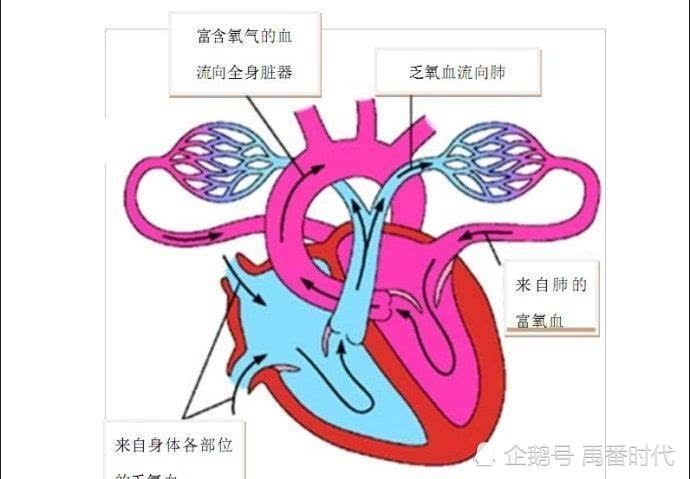
Which diseases should cor pulmonale be differentiated from?
People who are not ill may turn a blind eye to cor pulmonale, and it no longer startles them the way cancers such as lung cancer do. On one hand, cor pulmonale has become relatively common; on the other hand, cor pulmonale is not very frightening and is not an incurable disease...
-

Grow These 2 Plants Together and Their Purifying Power Increases 5-Fold, Keeping Your Family Healthier
Gardening Encyclopedia Click to follow our subscription account, Huahua teaches you how to grow plants! Many plant lovers know that plants have the ability to purify the air. But which plants, when placed together, have better purifying power? Today, Huahua will introduce to everyone how...
-
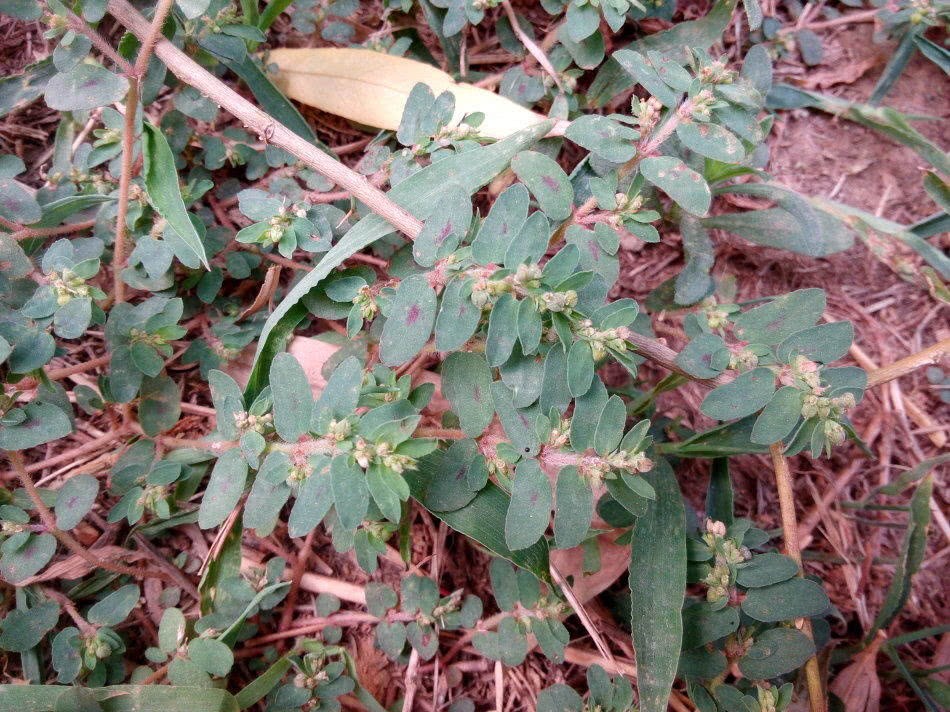
North America's notorious harmful weed became a good medicine for treating diseases after invading our country
Friendly reminder: Hemu Report aims to share and popularize information about various plants and their uses, for reference only. If medicinal use is needed, it is recommended to consult a professional physician to avoid problems! ...
-
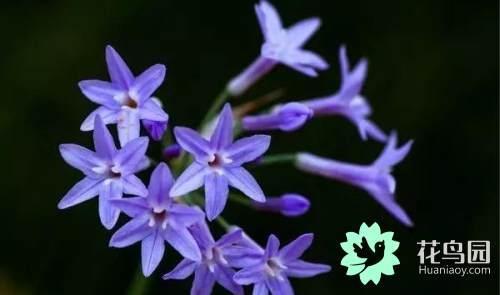
Purple tulbaghia releases a romantic color, with beautiful and moving flowers
Purple tulbaghia (Tulbaghia violacea): Life is a river that flows endlessly, and we are all those who cross it. On the left bank of the river of life is forgetting, and on the right bank of the river of life is remembering. We ride in our own unique boats, shuttling between the left bank and the right bank...
-
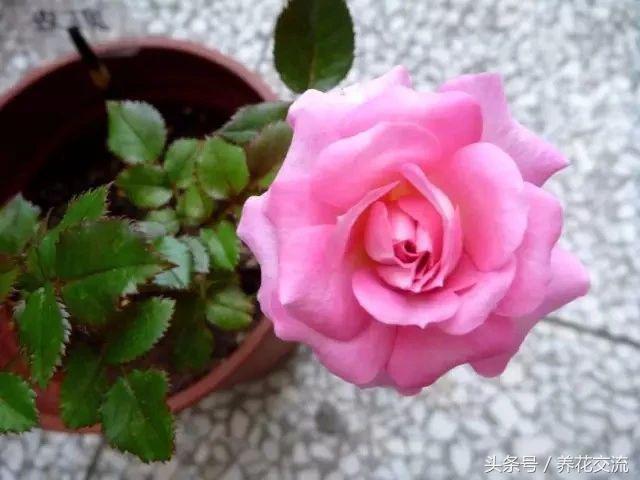
Rose summer care: seven most common pests and diseases and how beginners can solve them
When caring for roses in summer, you need to be especially careful. Roses fear hot, humid environments. In overly wet, waterlogged and stuffy conditions, pests and diseases are easily triggered, especially the seven below. If you find these...
-

How do you control plant pests and diseases? Try these few simple tips
Last time we introduced the common types of pests and diseases. Seeing flowers and plants tormented into those states, how could your heart not ache~ How do you prevent trouble before it happens? How do you nip diseases in the bud in time? Although control cannot be generalized, we can still start with...
-
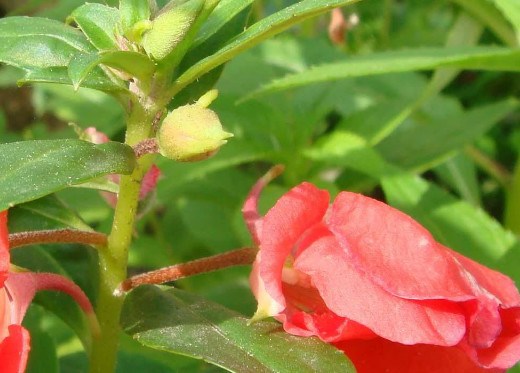
Several flowers can treat gynecological diseases in women and lower blood sugar
Garden balsam, also known as: henna, jimsonweed, balsam weed, of the order Geraniales, family Balsaminaceae, genus Impatiens, is an annual herbaceous flower. The whole plant is divided into six parts: root, stem, leaves, flowers, fruit and seeds. Because its flower head, wings,...
-
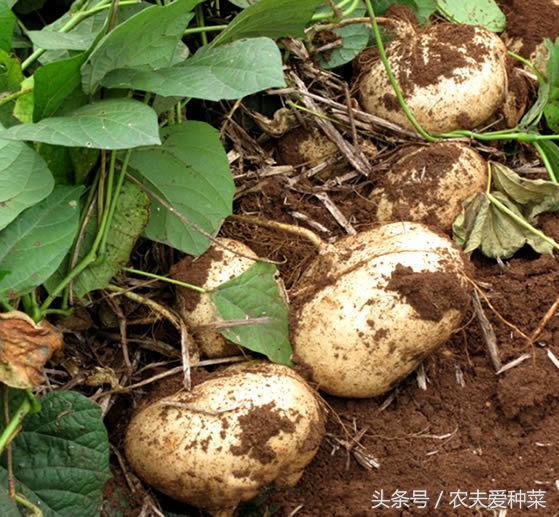
This vegetable takes root as soon as it touches soil, is not prone to diseases and pests, and a single one can grow to more than 2 jin, with high yields
This vegetable is called jicama, also known as yam bean. It grows underground, and a single one can grow to more than 2 jin. It is a relatively common herbaceous vine in China, and because it is nutritious and as high-yielding as sweet potato, it is widely cultivated. Jicama main...
-
What types of pests and diseases affect bayberry? Occurrence patterns and green control techniques in Zhejiang
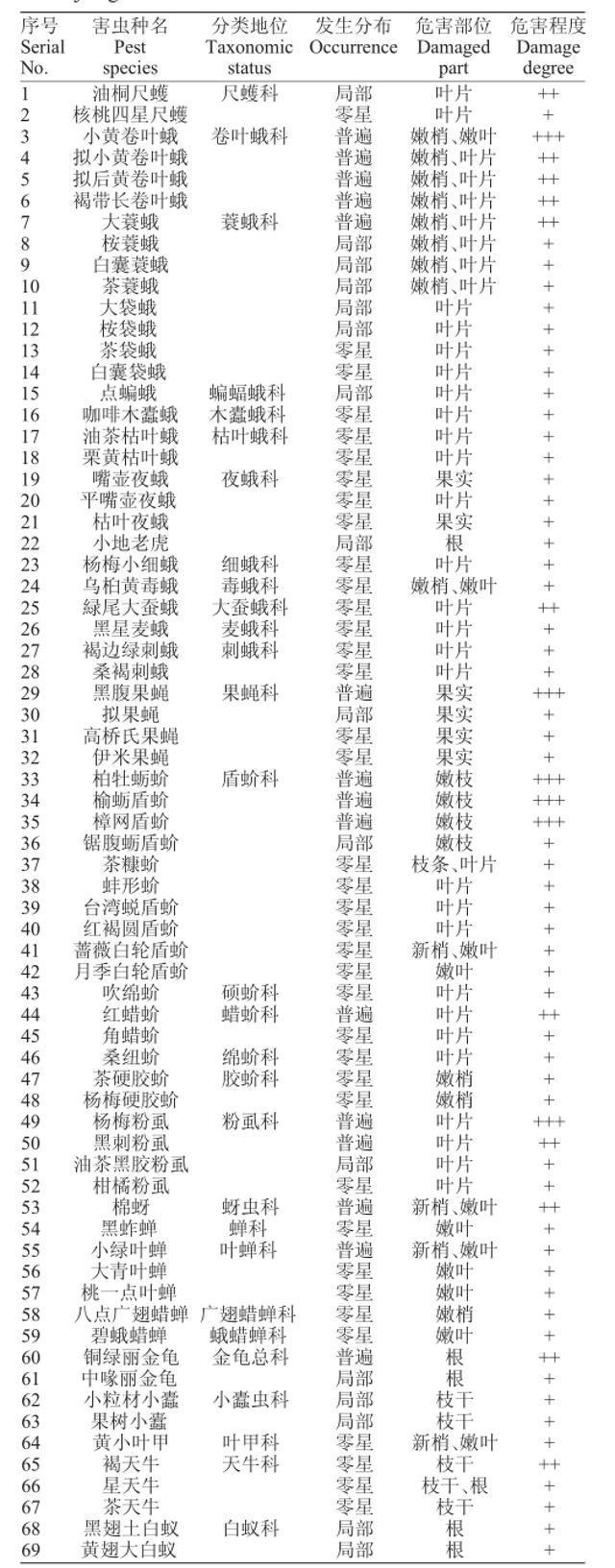
Species and Occurrence Patterns of Bayberry Pests and Diseases in Zhejiang Province and Their Green Control Techniques 0 Introduction [Research significance] Bayberry [Myrica rubra (Lour.) Sieb. et Zucc.] is a distinctive fruit of southern China, with a sweet-and-sour taste and unique flavor, enjoying a high reputation both domestically and internationally. Zhejiang Province is the main bayberry production area in China, with a total planting area of 86,500 ha, accounting for about one-third of the national total, an annual output of about 500,000 t, and an output value of 4.83 billion yuan, ranking first in output value among fruits in Zhejiang Province. It is the leading industry for farmers in mountainous and semi-mountainous areas of Taizhou, Wenzhou, Ningbo, Lishui, and Jinhua. In recent years, the bayberry industry in Zhejiang has developed rapidly, especially with the continuous expansion of the planting area of Dongkui bayberry, and the occurrence of pests and diseases has shown an increasingly severe trend, with heavy control tasks and great safety hazards. Therefore, identifying the main pest and disease species and their occurrence and damage patterns in Zhejiang bayberry, and proposing control strategies and green control techniques, is of great significance for ensuring the sustainable and healthy development of the bayberry industry and increasing farmers' income. [Previous research progress] To date, there have been many studies on the main pests and diseases, occurrence patterns, and control techniques of bayberry in various main production areas of Zhejiang Province. Wang Hongxiang et al. (1999), Gong Jieqiang and Wang Hongxiang (2002) reported that the main diseases damaging bayberry in Taizhou City, Zhejiang Province include brown spot disease, cancer disease, red coat disease, dieback disease, branch rot disease, and shoot blight disease, and the main insect pests include scale insects, whiteflies, oil tung geometer moths, leaf roller moths, bagworm moths, and termites. They analyzed the reasons for the increase in pest and disease occurrence and proposed corresponding control measures, but did not go deep into specific pest and disease species investigation and green control techniques. Liu Yougao et al. (2006) reported the occurrence characteristics and control techniques of bayberry cancer disease, brown spot disease, scale insects, and moths in Wenzhou City, Zhejiang Province, but there has not yet been a systematic investigation of other pest and disease species of bayberry, and most of the chemicals introduced in chemical control are not registered on bayberry, making safe pesticide use a difficult problem. Liu Gaoping et al. (2013) and Zou Xiuqin et al. (2015) reported simple net-room cultivation and green control techniques for Dongkui bayberry. Ren Haiying et al. (2014) reported the occurrence and control of bayberry wilt disease and slug moth pests. [Entry point of this study] From the overall research status, the investigation of bayberry pest and disease species and control techniques in Zhejiang is still not systematic and in-depth enough, and the various measures of agricultural, biological, physical, and chemical control still lack organic coordination and matching, thus affecting the implementation of integrated control techniques and the improvement of economic, social, and ecological benefits. [Key problems to be solved] Using a combination of systematic general survey and fixed-point monitoring, experimental research, and demonstration and extension, the main pest and disease species, distribution, and damage conditions of bayberry in the main production areas of Zhejiang Province were investigated, and the green control techniques and integrated management strategies for main bayberry pests and diseases were explored, providing a scientific basis for bayberry pest control.
条件筛选