Which diseases should cor pulmonale be differentiated from?
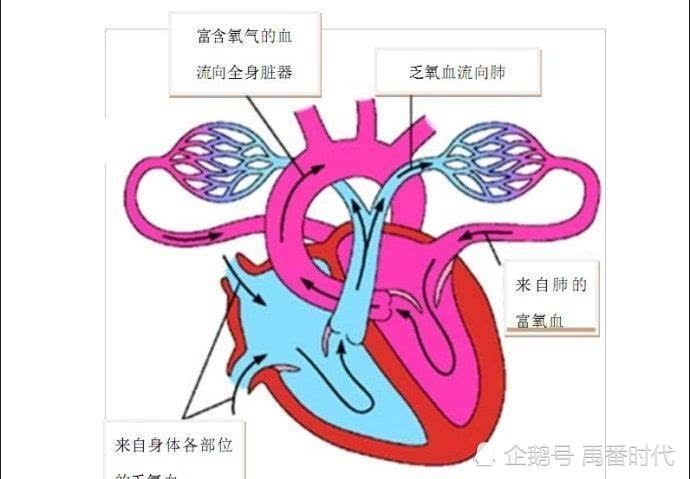
People who are not ill may turn a blind eye to cor pulmonale, and it no longer startles them the way cancers such as lung cancer do. On one hand, cor pulmonale has become relatively common; on the other hand, cor pulmonale is not very frightening and is not an incurable disease. In fact, it should be said that cor pulmonale is a Class II dangerous disease, and it is already on the verge of Class II dangerous disease; sliding forward, it becomes a Class I dangerous disease, or one may die suddenly on this verge.
Cor pulmonale
Therefore, cor pulmonale, which requires active treatment, often closely resembles coronary atherosclerotic heart disease, that is, coronary heart disease, rheumatic valvular heart disease, primary cardiomyopathy and other conditions in symptoms and various manifestations. For example, shortness of breath, difficulty breathing, palpitations, a fluttering feeling in the chest, chest tightness and chest pain are symptoms shared by cor pulmonale and coronary atherosclerotic heart disease.
But in terms of medical history, the two are different. Cor pulmonale involves a history of lung disease. Coronary heart disease may have a history of hypertension, hyperlipidemia, diabetes, episodes of left heart failure and so on, all of which are strong bases for differentiation. Electrocardiography, X-ray, left ventricular hypertrophy and so on can clearly distinguish them.
Myocarditis
Rheumatic heart disease involves tricuspid valve regurgitation, or mitral and aortic valve lesions, and has a history of rheumatic arthritis, myositis and so on. Primary cardiomyopathy, on X-ray fluoroscopy, shows enlargement of the whole heart, with no history of chronic lung disease, and certainly no pulmonary hypertension.
If you have questions or need help, you can call 01062170649 13269852331