-

What are the common methods for controlling diseases in home-grown flowers?
Keeping a few pots of flowers at home not only decorates the living environment but also helps purify the air in the room. However, flower lovers often ask, what should be done when a beloved flower gets sick? Here is a brief introduction to several disease control methods for flowers: Petunia, mosaic virus ① Symptoms
-
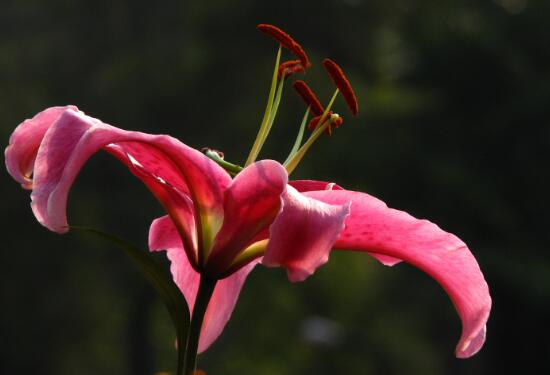
What to do when the leaves of lily 'Perfume' turn yellow? Water and fertilize properly and spray to prevent pests and diseases
The lily 'Perfume', queen among the hundred flowers, has graceful blooms and rich colors, and is extremely ornamental when grown at home. In daily life, many people grow the lily 'Perfume', but during care, quite a few flower lovers end up turning the leaves yellow. So what should be done when the leaves of lily 'Perfume' turn yellow? At this point, flower lovers should calmly find the cause
-
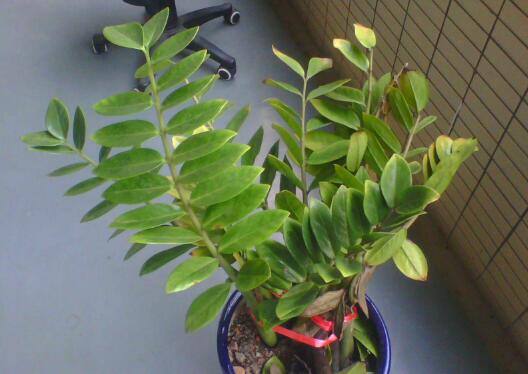
What to do when the leaves of Zamioculcas zamiifolia turn yellow? Replenish water, provide shade, control temperature, increase humidity, and prevent and treat pests and diseases
Among the functions and benefits of Zamioculcas zamiifolia, the most well-known is undoubtedly its ornamental value. It is an indoor foliage plant and carries an auspicious meaning, so many people choose to grow one at home. However, no matter how ornamental a plant is, if its leaves turn yellow, it will also affect its overall beauty
-
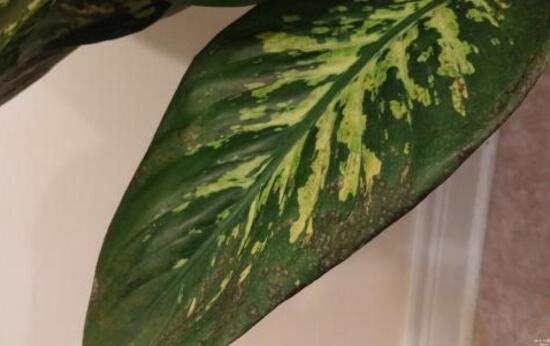
What to do when Dieffenbachia leaves turn yellow? Adjust temperature and fertilize sensibly and prevent pests and diseases
Dieffenbachia, a beautiful foliage plant, has emerald green leaves that stay evergreen all year round, and with spots in different shades, it really looks extremely beautiful. But during cultivation, due to improper care, many flower lovers' Dieffenbachia develops yellow leaves. So what should be done when Dieffenbachia leaves turn yellow
-

What are the control methods for tulip viral diseases?
Viral disease is one of the main causes of germplasm degeneration in tulips. There are many kinds of viruses that harm tulips, the most common being mosaic virus and color-breaking virus. Plants infected with mosaic virus develop yellow stripes or finely speckled spots on the leaves and dark spots on the petals, and in severe cases the leaves rot
-
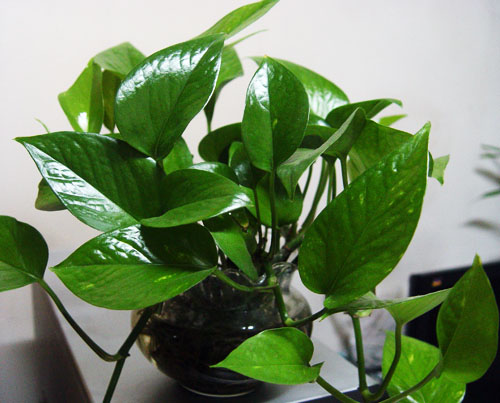
What pests and diseases are potted pothos (Epipremnum aureum) prone to?
Common pests and diseases of indoor pothos are leaf spot and root rot. Control methods: remove diseased leaves and ensure good ventilation; during the outbreak period, spray 50% carbendazim wettable powder at 500 times dilution, and it can also be used as a root drench. Root rot generally does not occur after soilless cutting seedlings are planted out.
-
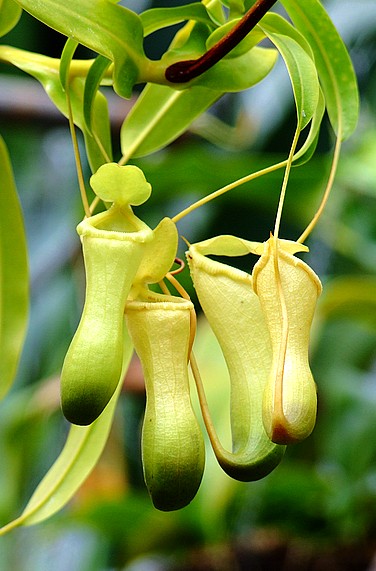
What are the common pests and diseases of pitcher plants?
Pitcher plant seedlings grow slowly and are commonly affected by pests and diseases such as red spider mites, aphids, leaf spot, anthracnose and black spot. These occur more frequently under conditions of poor ventilation, excessive shade and too-low temperatures. In addition to promptly regulating the growing environment, pesticides should also be sprayed in good time for control.
-
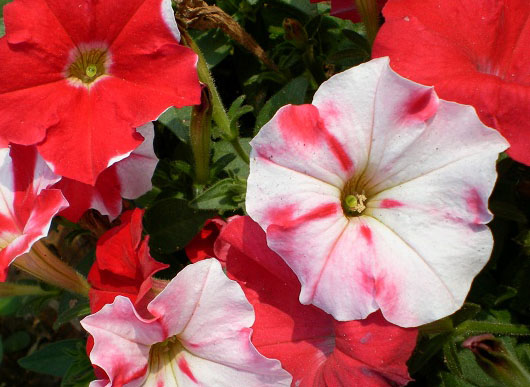
What are the common diseases of petunias? A detailed explanation
1. Powdery mildew. After the disease occurs, promptly remove diseased leaves; in the early stage of the disease, spray 75% chlorothalonil 600-800 times dilution. 2. Leaf spot. Try to avoid bruising the leaves, and take care to prevent wind damage, sunscald and freezing injury; promptly remove diseased leaves and burn them, and be careful to clear away fallen leaves
-
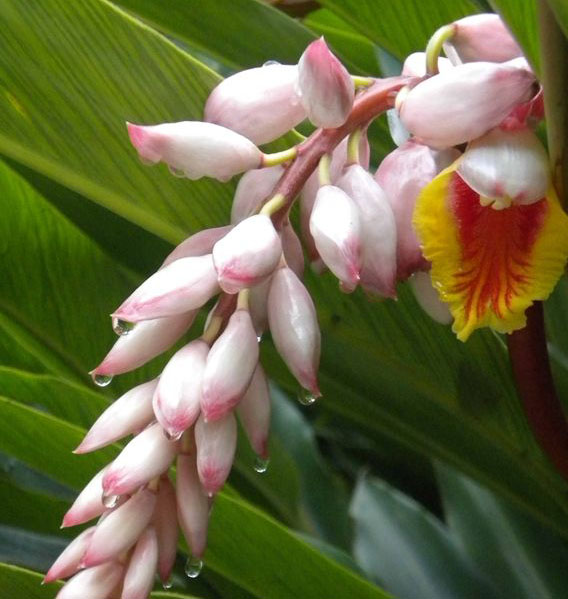
What are the common diseases of variegated shell ginger?
Variegated shell ginger is commonly affected by leaf blight and brown spot. In the early stage of leaf blight, spray 200-times Bordeaux mixture 2-3 times at intervals of 7-10 days. For brown spot, spray 1000-times thiophanate-methyl solution.
-

What are the common pests and diseases of gloxinia?
The main disease of gloxinia is stem-rot nematode disease, caused by nematode infection. It damages young stems, young plants, the stem portion at the soil surface and the base of the leaf stalks, appearing as water-soaked softening and rot. The diseased area gradually extends upward, spreading from the leaf base to the leaf blade; affected leaves shrivel, turn brown and die. In mature plants, damage starts at the leaf stalk and gradually spreads, without softening
条件筛选