-
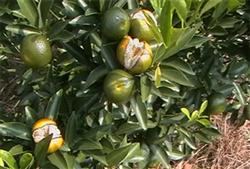
Navel Orange Cultivation Techniques: How to Prevent and Control Physiological Diseases of Navel Oranges?
How to prevent and control physiological diseases of navel oranges? Please provide an introduction. The main physiological diseases of navel oranges are fruit cracking, sunburn, and navel yellowing. For control methods, please refer to the following list: Control methods for navel orange fruit cracking. For navel orange fruit cracking, first select varieties (lines) with strong cracking resistance. Generally, varieties (lines) with oval fruit shape, small navel or closed navel have better cracking resistance, such as Newhall and others. Second, strengthen scientific management to enhance tree vigor. Especially during the drought period after the plum rain and before the autumn rains arrive, water management must be done particularly well, with timely irrigation or watering (sprinkling) to keep the soil moist and promote normal fruit growth and development. Third, during the rapid fruit expansion period, spray foliar potassium fertilizer 2 to 3 times consecutively.
-
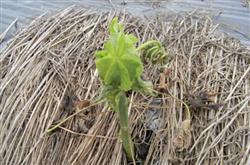
What is papaya blight? A detailed guide to diseases in papaya tree cultivation
What is papaya blight? How can papaya blight be prevented and controlled effectively? Please provide guidance on methods. The harm caused by papaya blight: papaya blight is commonly known as "water wound"; the pathogen is Phytophthora parasitica, which mainly damages papaya fruit and also damages the root system; it is prone to occur under high temperature and high humidity, especially after rain, and the pathogen can spread through airflow, rainwater, irrigation water, etc...
-
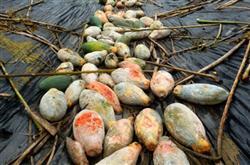
What Is Papaya Brown Rot? A Guide to Diseases in Papaya Cultivation
What is papaya brown rot? What methods can be used to control it? Here is an introduction to the damage caused by papaya brown rot: brown rot mainly affects the fruit, but it can also affect flowers and young shoots. When the fruit is infected, small brownish nearly round spots appear first, and as the disease progresses the spots keep expanding; under suitable conditions, the spots quickly spread across the entire...
-
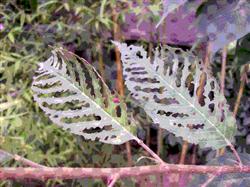
What are the common types of pests and diseases affecting cherry blossom trees?
What pests and diseases affect cherry blossoms? How should they be prevented and controlled? There are many types of pests and diseases affecting cherry blossoms. The common ones are described below: 1. Shot-hole brown spot disease occurs in May and June, with small purplish-brown spots appearing on the leaves, which then gradually expand into circular shapes; after the diseased spots dry and shrink, they become small holes. The pathogen mostly overwinters on diseased branches...
-
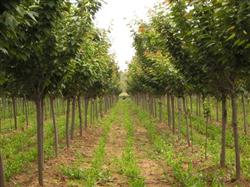
What are the common pests and diseases of cherry blossoms, and how are they controlled?
What are the common pests and diseases of cherry blossoms? Here is an introduction to how to control them. There are many types of pests and diseases affecting cherry blossoms; the common ones are described below: Shot-hole brown spot disease occurs from May to June, with small purplish-brown spots appearing on the leaves, which gradually expand into circular shapes; after the diseased spots dry and shrink, they become small holes. The pathogen mostly overwinters on diseased branches and diseased...
-
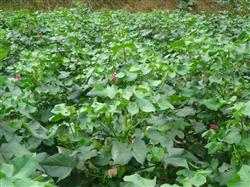
What are the main cotton pests and diseases in summer and autumn?
What are the main cotton pests and diseases in summer and autumn? Please introduce the following: the main cotton pests and diseases in summer and autumn and their control methods: I. Pest and disease occurrence trends (1) Cotton mirids: moderate occurrence is expected during the flowering and boll-setting stage, and moderate to severe occurrence in cotton fields with vigorous late growth; the peak occurrence period is from late August to early September, with an affected area of 700,000 mu.
-
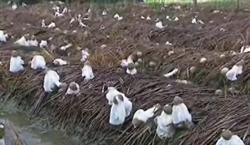
How to prevent and control pests and diseases after bamboo fungus cultivation is flooded
How to prevent and control pests and diseases after bamboo fungus cultivation is flooded? Please give guidance. The pathogens that commonly occur in bamboo fungus cultivation after flooding: slime molds, sooty mold fungi; pests: slugs, termites, mites, etc. The control methods are introduced below for mushroom growers' reference. 1. Slime molds occur on the exposed soil of the bamboo fungus bed or on the covering rice straw. In the early stage they are sticky...
-
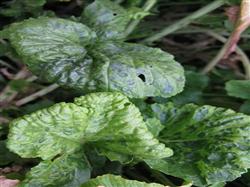
What are the common diseases in autumn radish cultivation?
What diseases affect autumn radish? Please give an introduction. The common diseases of autumn radish include viral disease, soft rot, downy mildew, etc. For detailed information, please refer to the following: Downy mildew symptoms: The disease is more severe in the middle and late stages, mainly damaging the leaves. The disease spreads from the lower leaves to the upper leaves. In the early stage, irregular chlorotic yellow spots appear on the leaf surface...
-
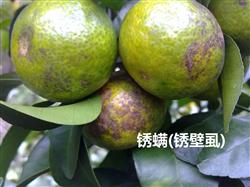
Common Pests and Diseases of Shatang Mandarin in August: Prevention and Control, and Cultivation Techniques
What pests and diseases affect Shatang mandarin in August? Here is an introduction and guidance on prevention and control methods. August is the period from summer shoot growth to autumn shoot sprouting for Shatang mandarin, so pests and diseases occur more frequently. The main pests are: rust mites, red wax scale, citrus leafminer, citrus flatheaded borer, and longhorn beetles; the main diseases are: citrus canker and foot rot; for detailed prevention and control methods, see...
-
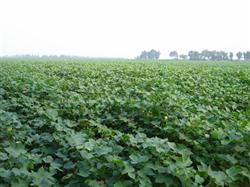
Which diseases need to be prevented and controlled in cotton cultivation?
What diseases need to be prevented and controlled when growing cotton? Please give an introduction. Cotton has different diseases at each stage of growth. The following introduces the diseases at the cotton seedling stage and their prevention and control for reference: 1. Seedling stage disease - damping-off (seedling death). After cotton seedlings emerge, yellow-brown lesions appear at the base of the stem (where it meets the soil surface),...
条件筛选