-

What do parasitic flower diseases mean?
For flower diseases, they can generally be divided into physiological diseases and parasitic diseases. Physiological diseases are generally burns caused by strong light, frost damage caused by low temperatures, and so on, summarized as being caused by unsuitable conditions such as climate and soil. So what are parasitic flower diseases?
-
A Detailed Guide to Common Diseases of Tuberose and Their Treatment
Tuberose is what we commonly call night-blooming jasmine. Because tuberose has a particularly intense fragrance at night, it is deeply loved by people. However, if tuberose is not managed properly, it is also prone to disease. The editor will introduce the common diseases of tuberose and their treatment methods for you. Friends who like tuberose can learn together.
-
Tulip Brown Spot Disease: Symptom Identification and Control Methods
The elegance of tulips is much loved by many flower enthusiasts. Growing tulips in pots is not very difficult, but tulips are relatively susceptible to brown spot disease. Once brown spot disease occurs, it reduces the ornamental value of the tulips and also harms their growth
-
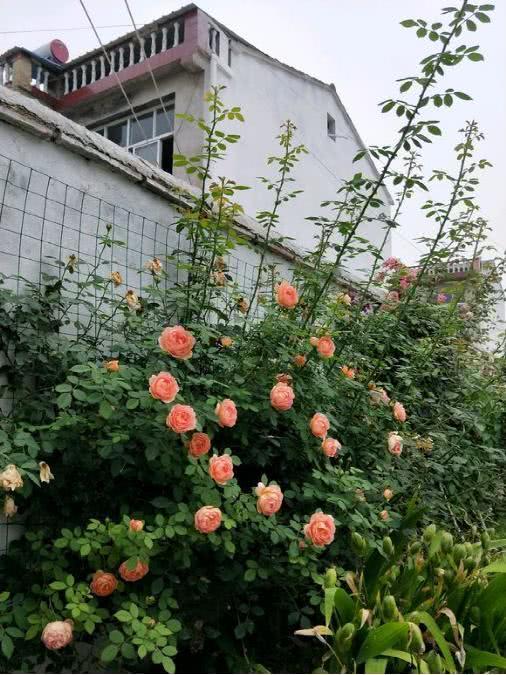
Rose root knot disease is difficult to cure completely, so prevention must come first
Because the symptoms of root knot disease appear on the roots, the condition is hard to detect in time, and this disease is almost impossible to cure completely, so it is best to prevent it before it occurs. Root knot disease generally infects the roots with pathogens through wounds, causing tumors to form on the roots. This disease is very...
-

RT-Mart Fined NT$3.5 Million for Publishing False Information About Toilet Paper Price Increases
In its 1375th Commissioners' Meeting on the 14th (yesterday), the Fair Trade Commission resolved that RT-Mart Distribution Co., Ltd. (hereinafter referred to as RT-Mart) engaged in promotional conduct by publishing false information about toilet paper price increases, misleading consumers and triggering...
-
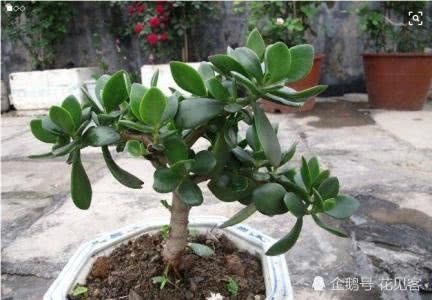
3 diseases that frequently strike jade plants in summer, prevent and treat them early to avoid ending up with an empty pot
The jade plant is a green plant loved by many flower enthusiasts. Its leaves are thick and fleshy, like green jade, the plant is elegant, and its branches are vigorous and simple, full of the charm of an ancient tree. This is also an important reason why everyone loves it, and in summer and autumn, it blooms in profusion...
-
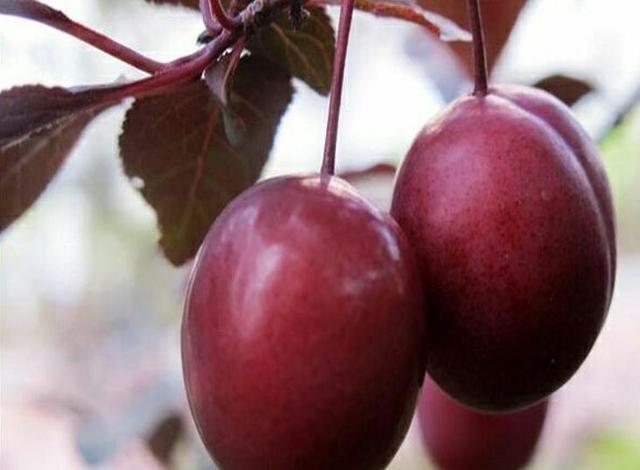
Propagation and Pest and Disease Control Cultivation Techniques for Purple-leaf Plum in Northern Jiangsu
Propagation and Pest and Disease Control Cultivation Techniques for Purple-leaf Plum in Northern Jiangsu Cultivation Cultivation Environment Purple-leaf plum is light-loving and should be planted in a spot with ample sunlight. It must never be planted in shade or under large trees. Insufficient light not only causes poor plant growth but also makes the leaves turn...
-
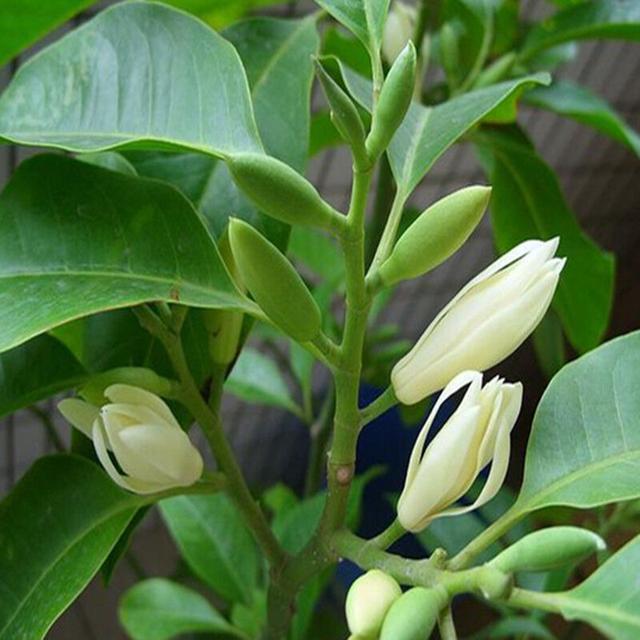
Key Techniques for Magnolia denudata Propagation, Pest and Disease Control, and Afforestation
Magnolia denudata Propagation, Pest and Disease Control, and Afforestation Techniques 1 Biological Characteristics and Value of Magnolia denudata 1.1 Morphological Characteristics Magnolia denudata has an oval crown, alternate leaves, leaf tips short and abruptly pointed, leaf bases wedge-shaped, large leaves obovate, with a glossy surface. Young branches...
-
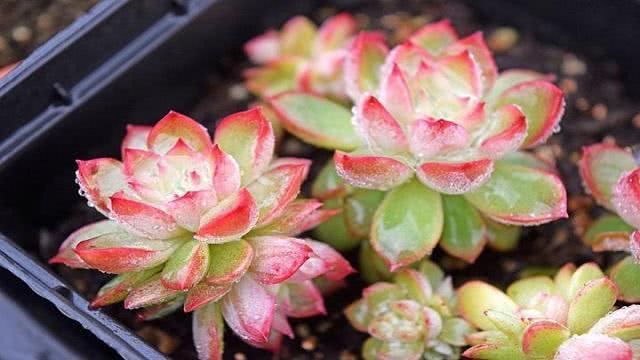
Succulent watering has its finer points: pay attention to these few things to get through summer with ease
Depending on the succulent variety, the number of waterings also differs. If it is a summer-growing type, it needs to be watered one to three times a month in summer. If it is a winter-growing type, water sparingly in summer. It is best to water in the evening. Be careful not to get water on the leaf center...
-
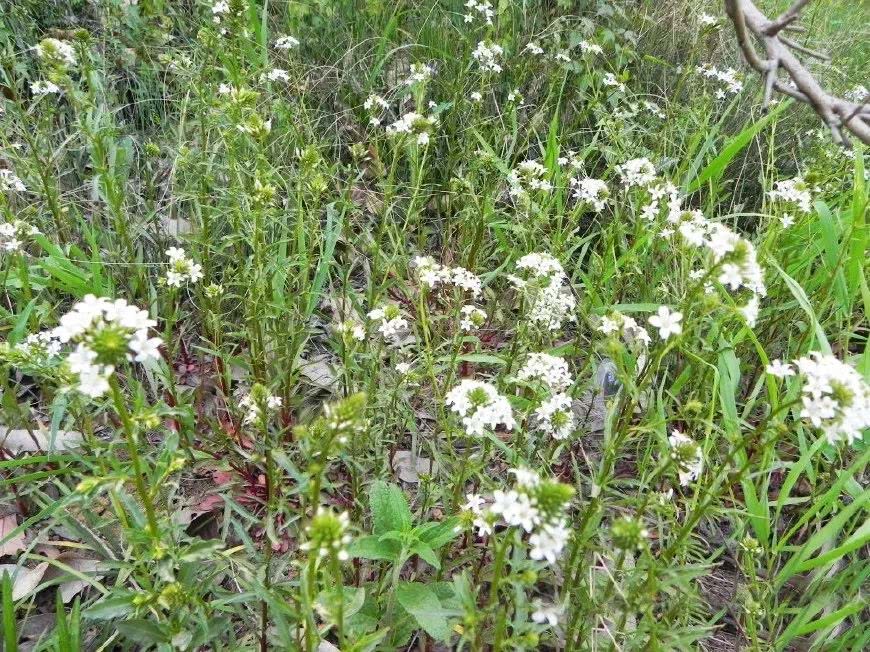
The wild grass in the ditch is highly valuable, can be used to make soup and even cure diseases, do not underestimate it
Warm reminder: Hemu Report aims to share and popularize information about various plants and their uses, for reference only. If medicinal use is needed, it is recommended to consult a professional physician to avoid problems! In rural wild areas, the most common thing is wild grass, whether in front of or behind houses...
条件筛选