Rose root knot disease is difficult to cure completely, so prevention must come first
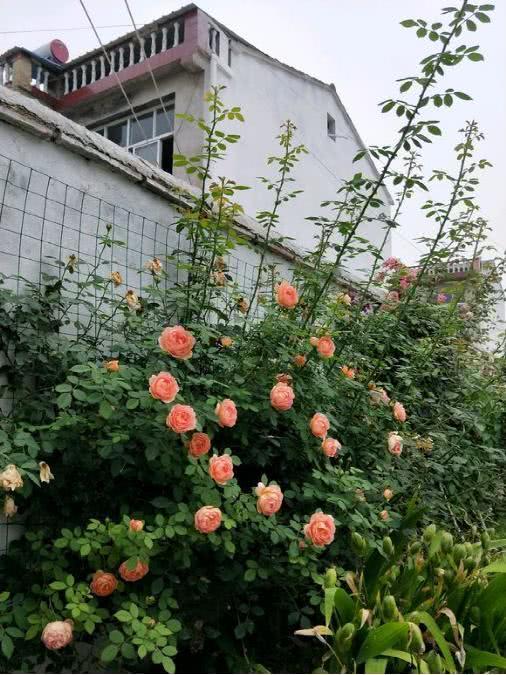
Because the symptoms of root knot disease appear on the roots, the condition is hard to detect in time, and this disease is almost impossible to cure completely, so it is best to prevent it before it occurs. Root knot disease generally infects the roots with pathogens through wounds, causing tumors to form on the roots. This disease is extremely contagious, especially in plants grown in the ground; if one plant is affected, it is very easy for a large patch to suffer.
The external signs of roses suffering from root knot disease are poor growth and yellowing leaves. There are many conditions that can easily trigger root knot disease, such as water quality problems, or damage to the roots caused by pruning the roots, moving the plant when changing soil or repotting, or other reasons, or long-term waterlogging of the soil caused by overwatering.
When watering flowers, be careful not to use unclean water sources, and do not bury animal carcasses or other objects that easily breed bacteria in the soil.
Before planting the plant, a dedicated soil fungicide can be used to sterilize the pot and soil. Before pruning the root system, sterilize the cutting tools at high temperature, or disinfect them with alcohol or a 10% sodium hypochlorite solution. If there are wounds, disinfect them promptly to prevent bacteria from invading the roots.
An effective way to prevent root cancer disease is to soak the root system in a 2000-3000 times dilution of 68% or 72% agricultural streptomycin sulfate soluble liquid for 2-3 hours before planting roses; or use a triple-strength solution of the anti-root-cancer agent K84 to dip the roots (do not use other fungicides after using this); or soak the roots in a 100 times dilution of copper sulfate for 5 minutes; or disinfect with potassium permanganate or agricultural streptomycin with a content of 72%.
If tumors are found to have already grown on the roots of roses, the tumors should be excised. After cutting off the tumors with sterilized tools, disinfect the cut surfaces with a 500 to 2000 times dilution of streptomycin. After treatment, the plant should preferably have its soil changed and be repotted. It is best to throw away the old flower pot. If it is not thrown away, it should also be disinfected and then set aside for exposure to strong sunlight, and should not be used immediately, so as to avoid reinfection by pathogens.
If the disease is discovered too late, or if it still cannot be cured after treatment, the affected plant should be destroyed in time (especially those grown in the ground), the soil should be disinfected with chloropicrin or 10% fosthiazate granules, and then the plants next to it should be checked and given corresponding sterilization and disinfection treatment.