Key Techniques for Magnolia denudata Propagation, Pest and Disease Control, and Afforestation
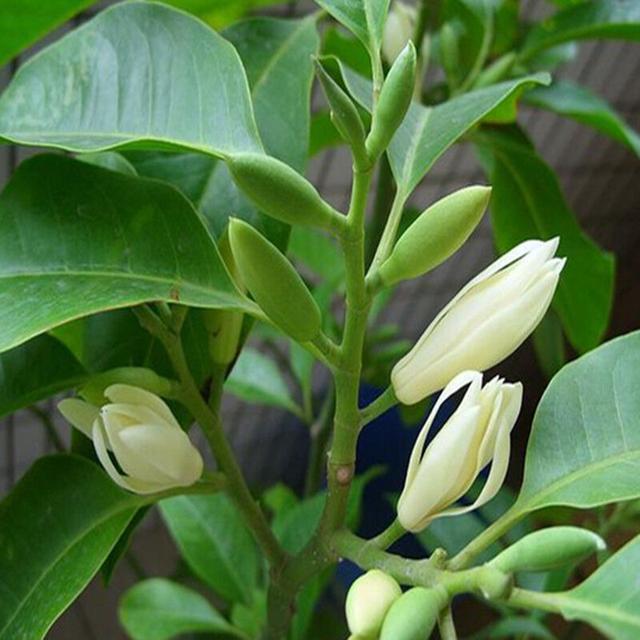
Magnolia denudata Propagation, Pest and Disease Control, and Afforestation Techniques
1 Biological Characteristics and Value of Magnolia denudata
1.1 Morphological Characteristics
Magnolia denudata has an oval crown, alternate leaves, leaf tips short and abruptly pointed, leaf bases wedge-shaped, large leaves obovate, with a glossy surface. Young branches and buds are covered with short downy hairs; in winter the branches and buds are tight, with pale grayish-green long hairs on the outside of the buds. The whole tree blooms before leafing out, flowers pure white, fragrant, petals and sepals similar, flowering period 8-10 d. It blooms in March to April and the fruit ripens in September to October. The fruit is a black aggregate follicle, and the seeds are heart-shaped. When site conditions are good, the tree height can reach more than 15 m.
1.2 Ecological Habits
Magnolia denudata likes light and moisture, fears waterlogging, is relatively shade-tolerant, and prefers fertile, well-drained, slightly acidic sandy soil. It is one of the better greening tree species for preventing air pollution. When planting Magnolia denudata, it is advisable to choose slightly acidic soil on sunny slopes at an altitude below 200 m with deep soil layers. It grows poorly in infertile soil and its growth rate is relatively slow.
1.3 Economic Value
Magnolia denudata flowers have certain medicinal value. They contain volatile oils, mainly citral, clove oil acid, etc., and also contain alkaloids, capric acid, rutin, oleic acid, vitamin A, etc. They can be used for headache, nasal congestion, acute and chronic sinusitis, etc., and also have an inhibitory effect on common skin fungi; because the petals are thick and fleshy and have a unique fresh fragrance, they can be eaten fresh or dried.
2 Seedling Cultivation
Magnolia denudata is commonly propagated by sowing, grafting, layering, root division, and other methods; cutting propagation has a low survival rate. Magnolia denudata is conventionally grown from seed for seedling cultivation. In vegetation restoration of ecological public welfare forests, it is crucial to use seedlings propagated from superior provenances for afforestation.
2.1 Seed Collection and Storage
2.1.1 Seed Collection
Seed trees should be selected from middle-aged and vigorous trees over 20 years old with straight and full trunks, healthy growth, no pests or diseases, and abundant fruiting. Seeds can be collected when the fruit skin of Magnolia denudata hardens, turns red, and slightly splits to reveal the red aril, collecting fully mature seeds. In the Anqing area, seed collection begins in late August and ends before September 20. If seeds are collected too early, the immature seeds will affect the germination rate; if collected too late, the aggregate follicles will fully split, the seeds will fall off on their own and be difficult to collect, and they are also easily gnawed by rats.
2.1.2 Seed Processing
(1) Threshing. After the fruits are collected, they should be spread out and dried in the sun. When the fruit skin splits on its own, the seeds can be released, yielding red seeds. During drying, the seeds must not be exposed to moisture; once dampened, the seeds will no longer split, so rain and dew must be avoided.
(2) Soaking. Soak the already extracted seeds in water. At this time, plump seeds will sink to the bottom, while empty and shriveled seeds and mixed debris will float on the surface; remove the empty and shriveled seeds and other debris. The soaking time is generally 1-2 d and must not exceed 2 d, and the seeds should be stirred frequently during this period. During soaking, 3%-5% sodium hydroxide can be added to help accelerate the softening of the aril for easier cleaning.
(3) Cleaning. Repeatedly rub and wash with plant ash to prevent mold during storage. If there is an obvious white spot at the hilum, it indicates that the seeds have not been cleaned thoroughly and are likely to become moldy later, so they need to be cleaned again.
(4) Drying in the shade. After cleaning, place the seeds in a ventilated place and spread them thinly to dry in the shade. The faster the shade-drying process, the better. If the weather is humid, an electric fan can be used to blow air until the seed surface is dry, while turning them by hand once every half hour. The seeds must not be placed directly in direct sunlight, otherwise they will lose viability. Normal seeds range in color from dark yellow to black; seeds that are light yellow and white should be picked out. After 20 d of drying in the shade, the seeds will basically be dry.
2.1.3 Storage
Magnolia denudata seeds are mostly stored in low-temperature moist sand. Ordinary river sand is washed clean and disinfected with 0.2% potassium permanganate. The suitable moisture level is such that it forms a ball when squeezed and breaks apart when rubbed. Storage method: layer sand and seeds in a room, with each layer of sand 2-3 cm thick. During stratification, turn the mixture once every 1-2 weeks to allow ventilation. Check the sand moisture midway and pick out seeds that have much sand adhering to the seed coat and have already rotted.
2.2 Nursery Site Selection and Treatment
Preparation of sowing seedbeds. Magnolia denudata has fleshy roots and fears waterlogging, so the nursery site should be selected as sandy loam with relatively high terrain and good drainage and irrigation conditions. Before sowing, carry out three plowings and three harrowings, and apply sufficient base fertilizer (application rate of decomposed cake fertilizer or compound fertilizer 3,000 kg/hm2), disinfect the soil with Tuzet or carbendazim, and make raised beds with level surfaces. Cover the bed surface with about 10 cm of yellow subsoil.
2.3 Sowing and Management
Sow in late March to early April. Use drill sowing with individual seeds for seedling cultivation, with a sowing rate of 60 kg/hm2. After sowing, cover with 0.2 cm of sawdust or burned ash soil, spray thoroughly with water, cover with rice straw or set up a shade net, and keep the bed surface moist.
2.4 Pest and Disease Control
At the seedling stage, focus on controlling damping-off and root rot. In June to July, the plum rain season has a lot of rain and excessive humidity, making disease easy to develop. Promptly pull out diseased plants and burn them in a centralized manner; when disease occurs, spray 300-600 times Bordeaux mixture or 65% zineb 600 times solution, or drench with 70% thiophanate-methyl wettable powder 1,000 times solution.
3 Afforestation
3.1 Site Selection
For Magnolia denudata, it is advisable to choose the middle and lower parts of slopes with medium or relatively deep soil layers on sunny slopes, preferably loose acidic or slightly acidic soil in valleys and at the foot of mountains, and avoid lowlands with standing water and flat land with poor drainage.
3.2 Afforestation Site Preparation
Use pit-shaped site preparation, with a size of 40 cm x 40 cm x 40 cm. Tree roots, stones, weeds, etc. must be removed from the pits. During site preparation, keep topsoil and subsoil separate; when backfilling, first backfill topsoil, then subsoil. Backfilling can be carried out together with fertilization.
3.3 Afforestation Density
The afforestation density of ecological public welfare forests should refer to the crown width of the tree species and be appropriately dense. In local ecological vegetation restoration afforestation, the afforestation density selected for Magnolia denudata is 3 m x 4 m.
3.4 Establishment of Mixed Forests
In selecting small compartments for vegetation restoration afforestation, use two or more native tree species for mixed afforestation. Locally, Magnolia denudata and Chinese sweetgum are selected for block mixing. Plant Magnolia denudata in deep soil and Chinese sweetgum in shallow soil.
3.5 Afforestation Time
The best afforestation time for Magnolia denudata is before bud break, or before leaf expansion at the end of flowering. Water the seedlings thoroughly once 4-5 d before lifting, so that the plants absorb sufficient water, which is beneficial for survival after planting and for forming a soil ball when the seedlings are lifted. When digging, damage the root system as little as possible; when lifting seedlings, they should be carried with a soil ball, and the diameter of the soil ball should be 8-10 times the ground diameter of the seedling. Tie the soil ball well with straw rope to prevent it from breaking apart during transport.
3.6 Afforestation Technical Requirements
In afforestation techniques, do the following: plant immediately after lifting, shorten the time as much as possible, and keep the roots moist; carry out necessary root and branch pruning before planting; when planting large seedlings, carry soil balls, dig large pits, apply heavy base fertilizer, and set up supports promptly after planting; appropriate deep planting can inhibit sprouting and benefit growth; water immediately after planting.
4 Tending Management
4.1 Weeding and Loosening the Soil
To promote the growth of young forests, from after afforestation until canopy closure, interplant greening shrubs, and in combination with water and fertilizer management for the greening seedlings, loosen the soil and weed the young forests from May to August to promote their growth.
4.2 Water and Fertilizer Management
Magnolia denudata likes fertilizer. In addition to applying base fertilizer at planting, appropriate fertilization should be carried out every year thereafter. Fertilization is carried out 4 times each year, namely: apply a nitrogen, phosphorus, and potassium compound fertilizer once before flowering to improve flower quality and benefit spring growth; apply a nitrogen fertilizer once after flowering to increase plant growth and expand the nutrient area; apply a phosphorus and potassium compound fertilizer once in July to August to promote flower bud differentiation and increase the lignification degree of new shoots; apply a fully decomposed fermented barnyard manure once before winter, which can increase soil activity and ground temperature.
4.3 Shaping and Pruning
Magnolia denudata has strong sprouting and reproductive capacity, and sprouting often forms multiple trunks, affecting the formation and growth of the main trunk. To control the growth of sprouting shoots, within 1-2 years before and after canopy closure of the young forest, split out the sprouts in the forest, arrange the trunk form, and maintain main trunk growth. The pruning period should be chosen after flowering and before massive sprouting. During pruning, cut off diseased and dead branches, overly dense branches, redundant branches, parallel branches, and water sprouts, and remove sprouts at any time in normal practice.
4.4 Pest and Disease Control
Magnolia denudata is a tree species with relatively strong disease resistance. The main pest is longhorn beetles, with occasional damage from underground pests such as white grubs. Green Weilei 500 times solution can be used to kill longhorn beetles, and 50% zinc-phosphorus emulsion 1,000 times solution can be used to drench the roots to kill white grubs.