-
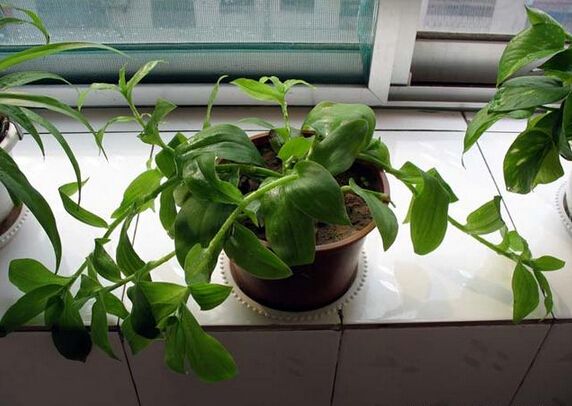
How to prevent and control pests and diseases in home-grown Dracaena fragrans
Dracaena fragrans is a foliage plant of the genus Dracaena, native to Guinea and widely distributed in the tropical regions of Asia and Africa. It was introduced to Guangzhou in the 1980s in China and became popular in Beijing after the 1990s. Just as more and more Dracaena fragrans plants were entering the homes of ordinary Chinese people
-

Dairy Cattle Farming Has a Promising Future: Reasons for Increased Milk Yield and Handling Milk from Sick Cows
Dairy cattle are great partners for dairy farmers to make money, and whether they live comfortably on the farm is tied to their health. Wu Jinlong, Secretary-General of the Dairy Farmers Association, said that sick cows affect dairy farmers' income, and once milk from a sick cow is mixed with other milk, the entire batch of raw milk is ruined
-
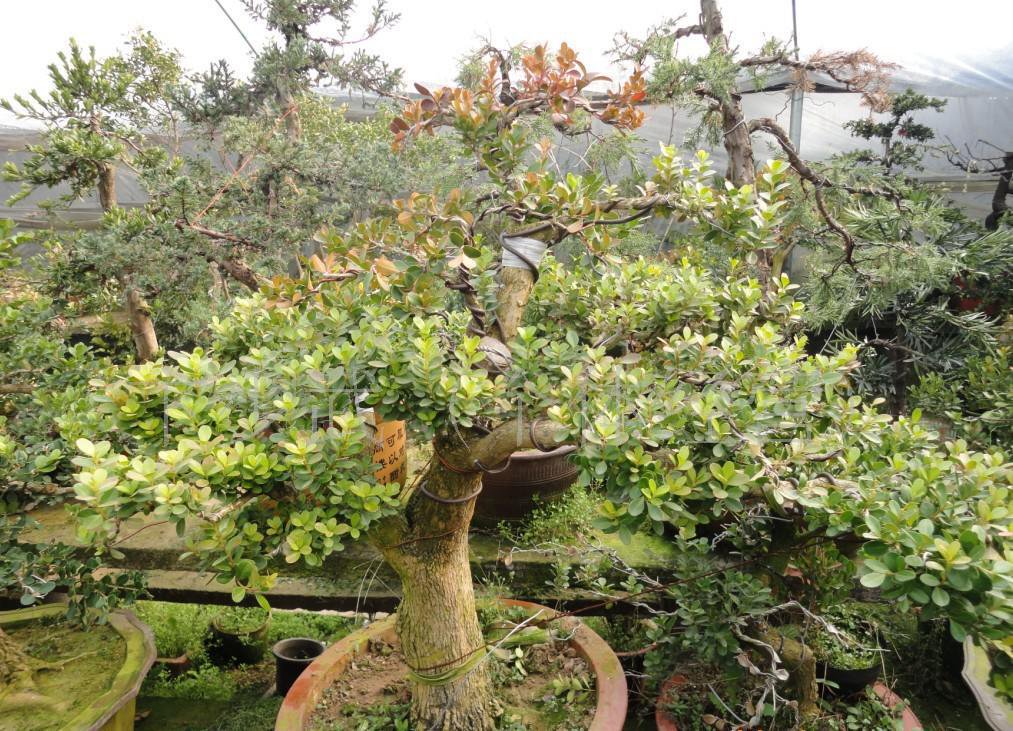
Boxwood bonsai prices have increased 6-fold in 3 years, the plant collection market is strengthening
When it comes to collecting, people usually think of traditional collectibles such as calligraphy and paintings, antiques, jewelry, and jade. Little do they know that plants can also be "collected." Three years ago, buying a boxwood bonsai with good shape, health, and visual appeal cost only 500 yuan. Now, buying the same bonsai costs around 3,000 yuan
-
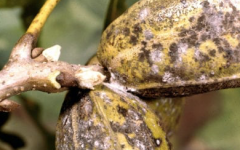
Symptoms, Damage and Control Methods of Pink Mold Disease on Pecans
Pink mold on pecans is a secondary disease that usually develops from a fungal disease called pecan scab when the nuts have previously been injured. The key to dealing with pink mold on pecans is to address the primary problem; if the pecan scab fungus is properly controlled, pecans with pink mold can usually be avoided.
-
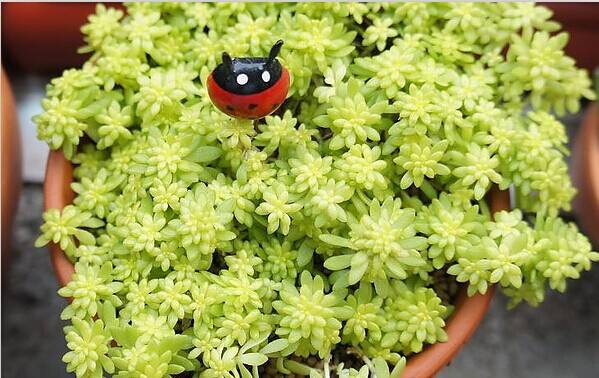
Identification and Control Methods for Major Pests and Diseases of Plum Blossom
According to preliminary statistics: plum blossom has more than 170 kinds of pests and diseases, including more than 30 kinds of diseases and more than 140 kinds of insect pests. The plum blossom, with its dignified plant form, vigorous trunk and branches, verdant leaves, lovely flowers, rich colors, and delicate fragrance, is one of the traditional famous flowers most beloved by Chinese people
-

Tulip Pest and Disease Prevention and Control Methods
Growing tulips really can bring people a feeling of visual delight, but you must also always pay attention to pest and disease prevention and control, and take good measures to protect them. I have put together the pest and disease prevention and control methods for growing tulips for you. 1. Tulip gray mold rot. The pathogen of tulip gray mold rot is Pellicularia, and this is a fungal disease
-
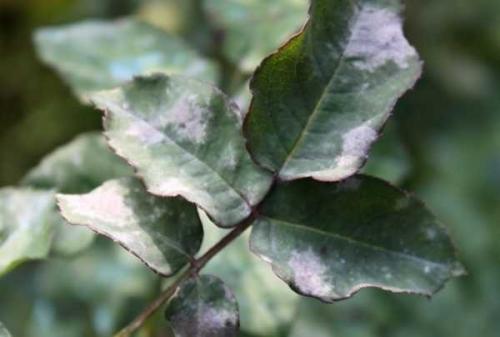
Common Pest and Disease Control Methods for Roses and Chinese Roses
Many gardening enthusiasts who love growing roses and Chinese roses often encounter four common diseases of roses and Chinese roses, such as: black spot disease, powdery mildew, branch blight, and crown gall disease. Occasionally, there are also other diseases such as rust, downy mildew, anthracnose... etc., but they are not as serious as the first four diseases
-
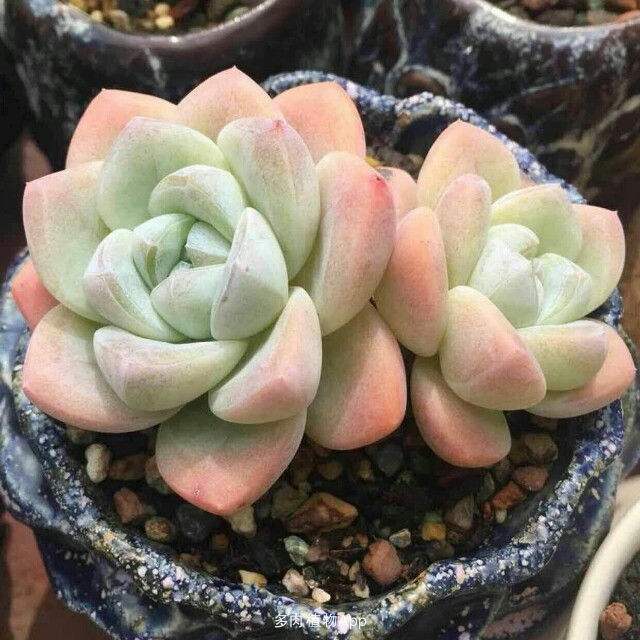
What are the methods for controlling pests and diseases of narcissus?
Narcissus is a common decorative flower on office desks and dining tables. Anyone who has grown narcissus knows that although narcissus is beautiful, it is prone to attack by certain pests and diseases during cultivation. The main pests and diseases of narcissus are: narcissus leaf blight, large brown spot disease, basal bulb rot, and narcissus stem nematode disease, etc.
-
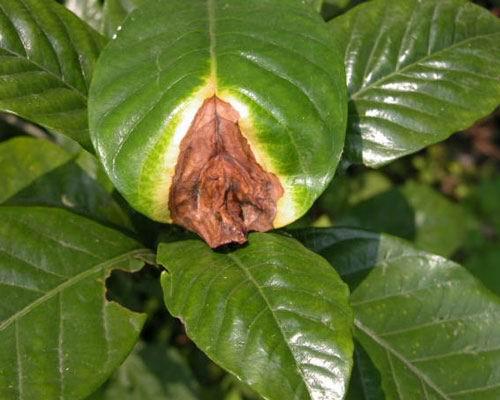
Pest and Disease Control Methods for Gardenia Cultivation
Pest and disease control for gardenia cultivation: Gardenia anthracnose. [Symptoms] This disease mainly affects the leaves of gardenia. It starts from the leaf tip and leaf margin, forming irregular or nearly circular brown lesions. Sometimes the entire leaf turns brown, and in severe cases it causes branch dieback or death of the whole plant.
-
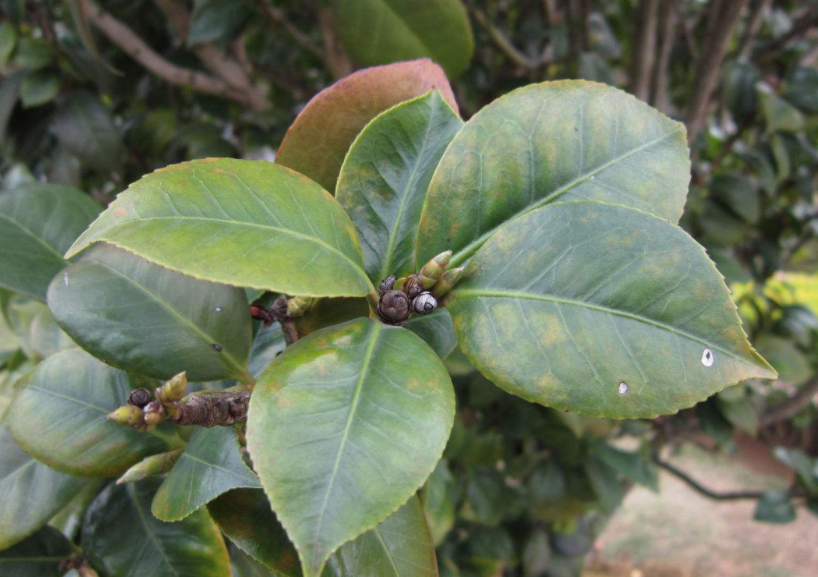
A Complete Guide to Camellia Disease Prevention and Control Methods
Camellia disease prevention and control methods: when the outbreak is small, gently wipe the mold layer clean with clean water; when the amount is large, spray 50% carbendazim at a 500-800 times dilution for control. Promptly eliminating pests such as scale insects and aphids can reduce the occurrence of sooty mold. Gray leaf spot, sooty mold and root rot are relatively common on camellias.
条件筛选