Boxwood bonsai prices have increased 6-fold in 3 years, the plant collection market is strengthening
When it comes to collecting, people usually think of traditional collectibles such as calligraphy and paintings, antiques, jewelry, and jade. Little do they know that plants can also be "collected." Three years ago, buying a boxwood bonsai with good shape, health, and visual appeal cost only 500 yuan. Now, buying the same bonsai costs around 3,000 yuan, a 6-fold price increase in three years.
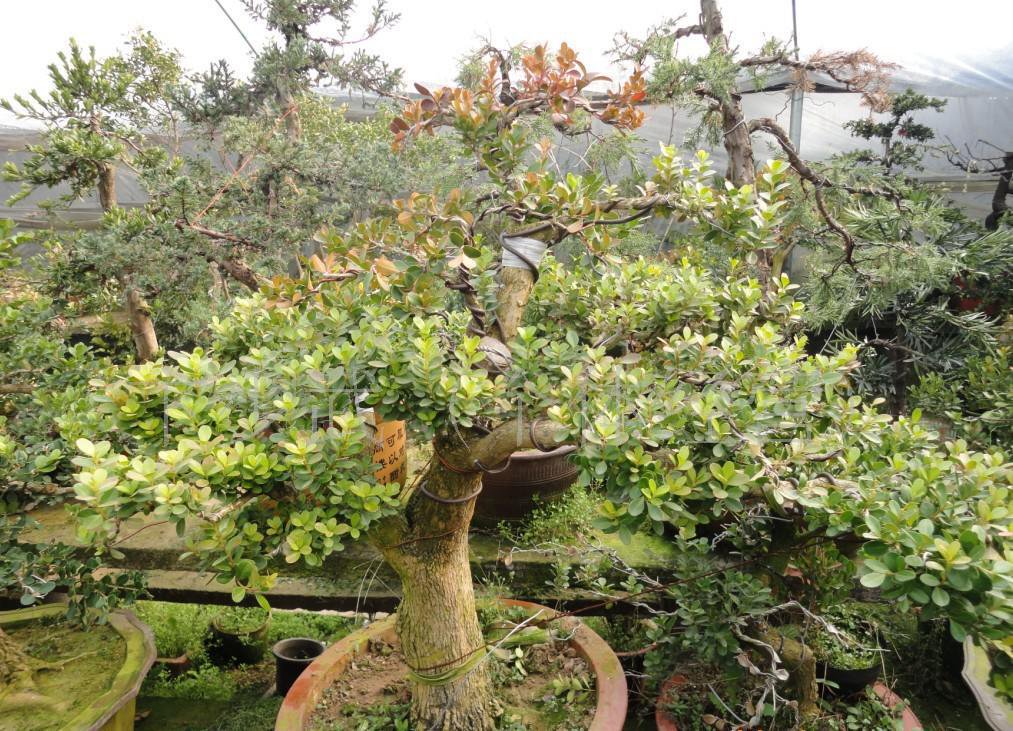
The reporter learned that in recent years, some good plant varieties have seen continuously rising prices due to their scarcity and growing social demand. A group of business operators and plant-loving citizens in Wuhan have discovered their appreciation potential and started collecting plants, with this group numbering in the tens of thousands.
Yesterday, senior horticulturist Mr. Cai introduced that not all plants have collection and appreciation value. Only rare wild plants with good shape, health, long lifespan, and ornamental value are worth collecting. In Hubei, rare plants suitable for local climate and soil conditions include: boxwood, Chinese yew, Chinese mosquito fern (Distylium chinense), oak (barberry), David viburnum, golden bullet tree (Diospyros cathayensis), ginkgo, crape myrtle, mountain rhododendron, elm, trident maple, Chinese fringeflower, red nanmu (Syzygium buxifolium), Japanese maple, wild camellia, pines, cypresses, and so on.
Plants are not necessarily better the older they are
It is understood that good plant bonsai and stump cannot be grown well in just a few short years; they require a relatively long growth cycle and production cycle. Some plants need decades or even over a hundred years of growth to reach collectible grade. A good plant paired with a century-old pot becomes a living antique.
Take boxwood as an example. It has small, evergreen leaves and is excellent material for making bonsai. However, it grows slowly; a boxwood with a diameter of 10 cm requires approximately 150 years of growth. In classical furniture, boxwood has many special uses, mostly for craft ornaments and seals. Its wood is tough, with fine grain and lustrous color, surpassing other woods, making it excellent material for carving. In addition, boxwood flowers have a light, elegant fragrance that is not gaudy, and the scent can repel mosquitoes. It also has antibacterial, anti-inflammatory, and hemostatic effects.
"Good boxwood wood can be worth tens of thousands to over a million yuan," Mr. Cai introduced. Previously, a collector owned a boxwood with a diameter of 30 cm, and someone offered 100,000 yuan, but the collector was unwilling to sell.
It is worth noting that although older plants have greater collection value, because plants also have life cycles, collecting plants is not necessarily better the older they are.