-
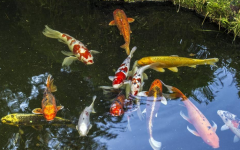
Common Koi Diseases and Spring Fish Disease Prevention Methods
What are the prevention methods for koi fish diseases in spring? If you want koi to stay disease-free, we must do a good job of maintaining the water quality for raising koi. Most common koi diseases are caused by water quality. Suitable water quality environment for koi breeding: the water temperature is best at 23-25°C, the pH of the water...
-
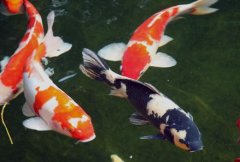
Koi breeding technology: autumn is the season for a common koi disease - skin congestion disease
This disease is usually caused by insufficient light, poor water quality, or repeated stimulation from new water. It is especially obvious during the rainy season and in seasons with variable temperatures. Skin congestion disease in goldfish is usually caused by Gyrodactylus, fish lice, and Lernaea cyprinacea. After Gyrodactylus parasitizes, the body surface mucus of the diseased fish...
-
How Often Should Koi Pond Water Be Changed? Three Common Koi Diseases and Symptoms in Autumn
Three common koi diseases and symptoms in autumn...
-
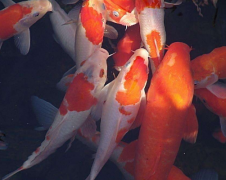
How to keep koi fish, common bacterial diseases of koi in autumn - skin inflammation and congestion disease
Bacterial diseases: skin inflammation and congestion disease (1) Cause: Most of the affected fish are large older fish and koi over one year old. The epidemic season runs from late spring to early autumn and can cause massive fish deaths. It is most prevalent when the water temperature is 20-30°C, and below 20°C, a few cases still occur...
-
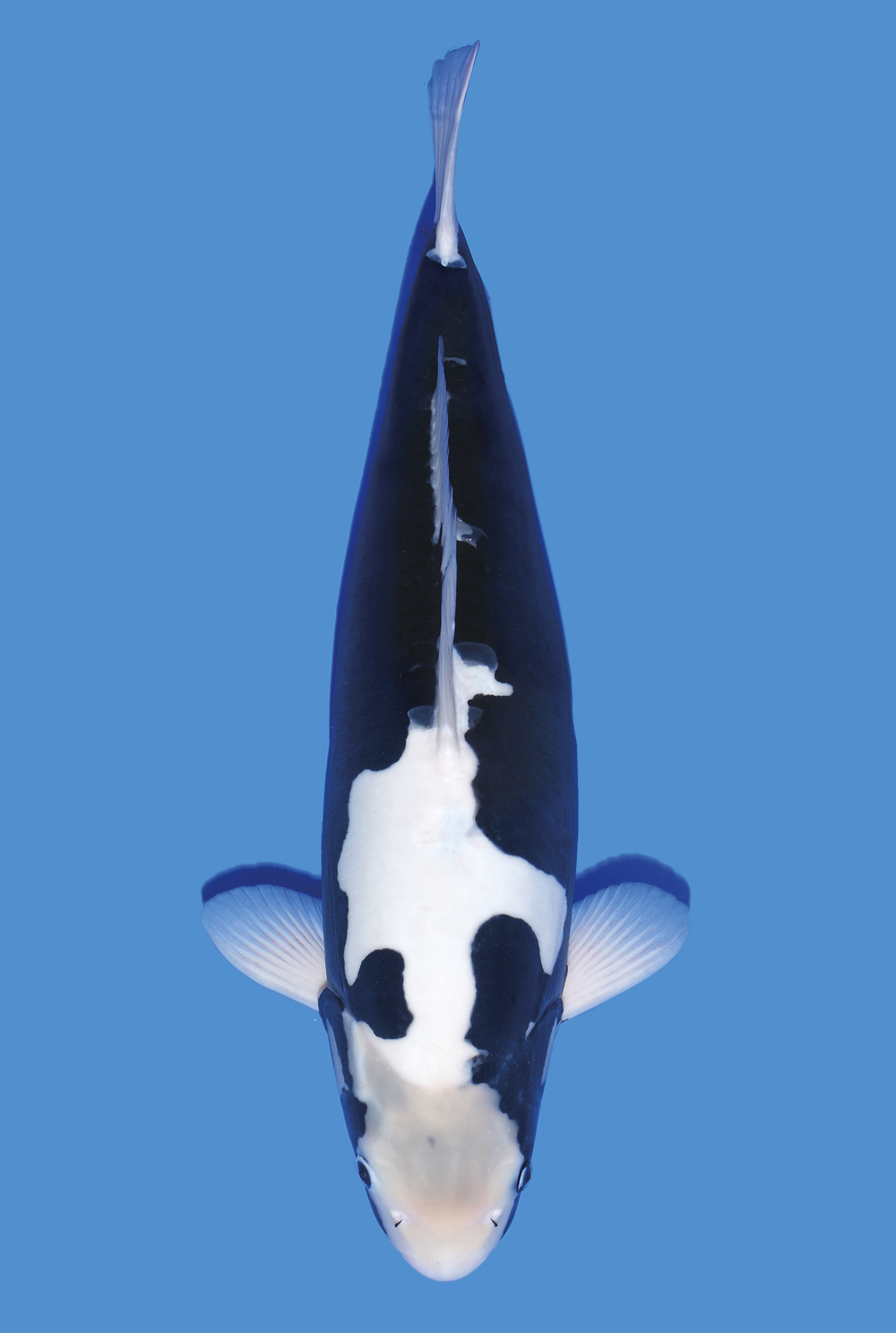
What should you do if the Kumonryu koi shows symptoms of disease?
Introduction to the Kumonryu koi: The Kumonryu koi was once thought to be a variety found only in German carp, but it is actually a by-product of the "Utsuri" koi system, and appears to refer to a variant koi of the Magoi. Its snow-white base is elegant, and the sharply defined edges of its ink-black markings are eye-catching. However, when the ink-black is first emerging...
-
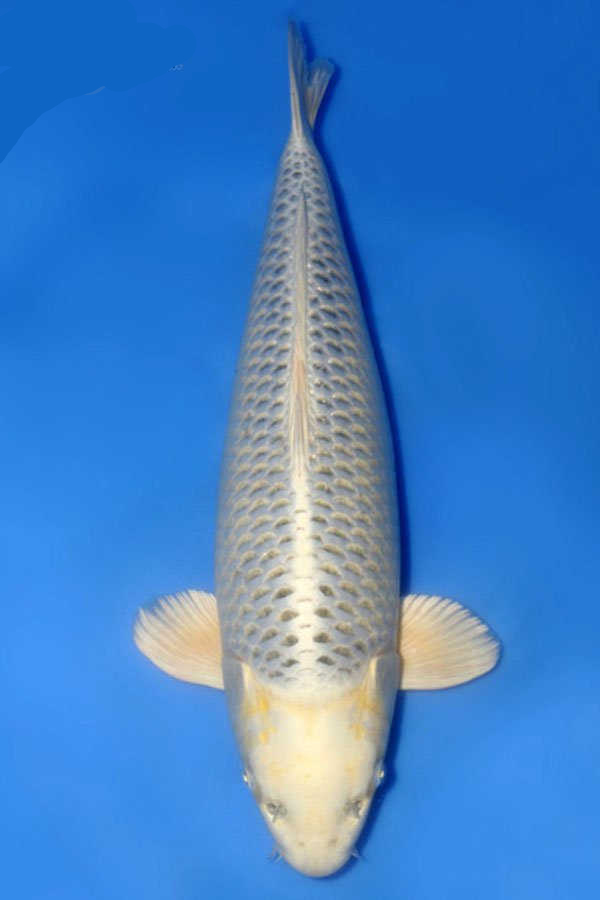
What should you do if the White Pine Needle Koi shows symptoms of disease?
Introducing the White Pine Needle Koi. The White Pine Needle is a type of Pine Needle Koi. Among koi varieties, it is one whose scales take on a pine-needle shape, whose whole body is white, and whose pine-needle-shaped scales each bear black markings. The White Pine Needle Koi, together with the Light Yellow Koi, belongs to the ancient koi varieties...
-
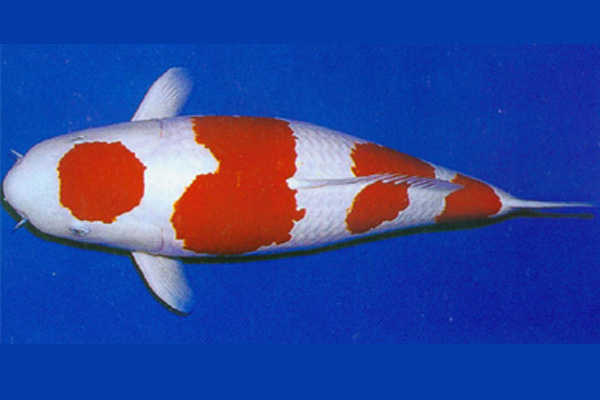
Causes of Koi Weakness and Prevention and Treatment of fin and tail rot disease
Treatment must first begin with confirming the disease, so the symptoms of koi fin and tail rot during the onset period are: first, the edges of the fins show a slight opaque appearance, then the membrane continuously peels off, exposing the fin rays, and the fin rays split one after another; if left untreated...
-
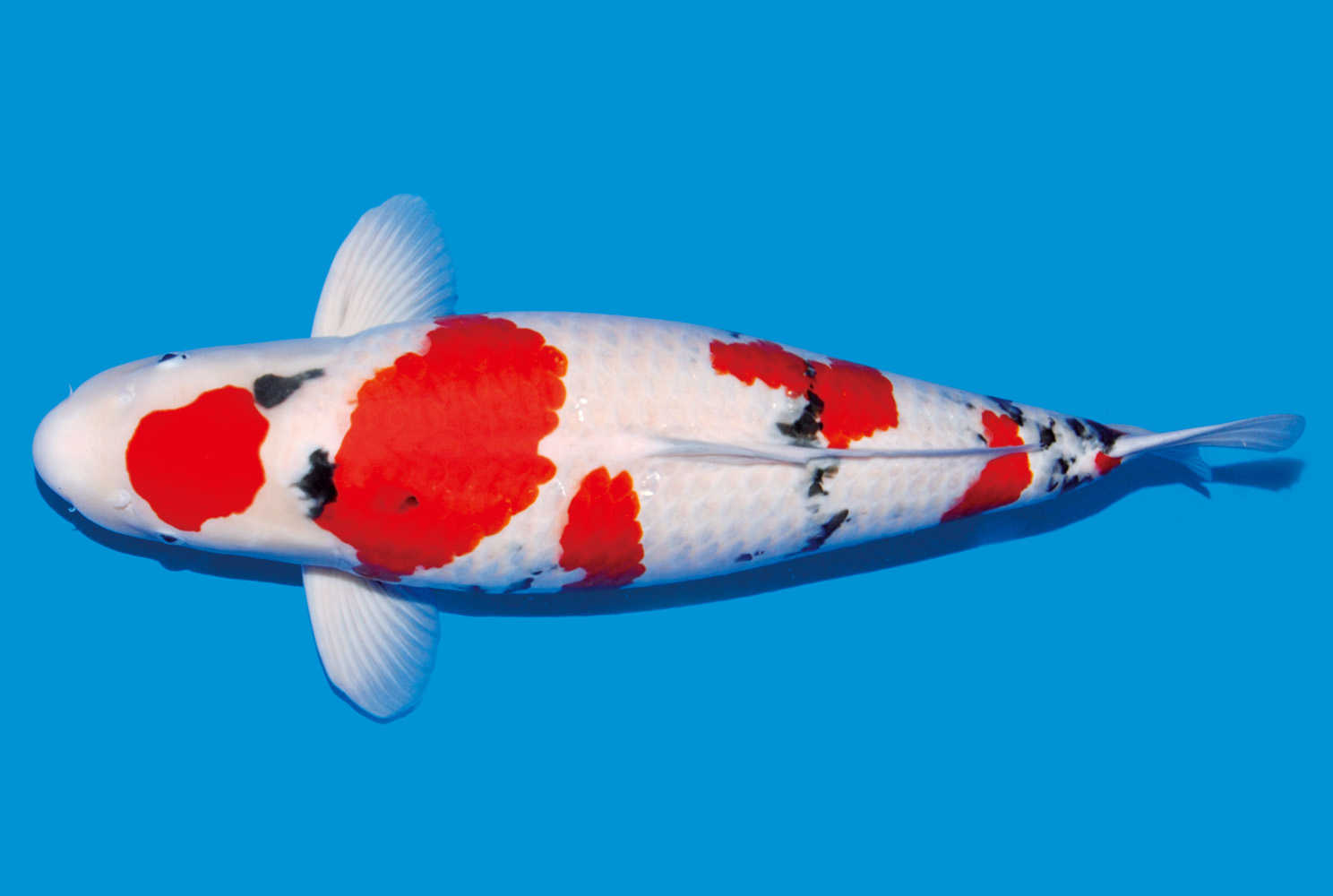
Treatment methods for skin diseases such as vertical scale disease in koi
Vertical scale disease, also known as pine scale disease or scale erection disease. It is a disease mainly prevalent in still-water fish ponds, primarily affecting koi and other cyprinid fish. After onset, it can cause mass mortality of diseased fish. Image of Hane-shiro koi (female fish 61 cm) Symptom identification: The body surface of diseased koi is rough...
-
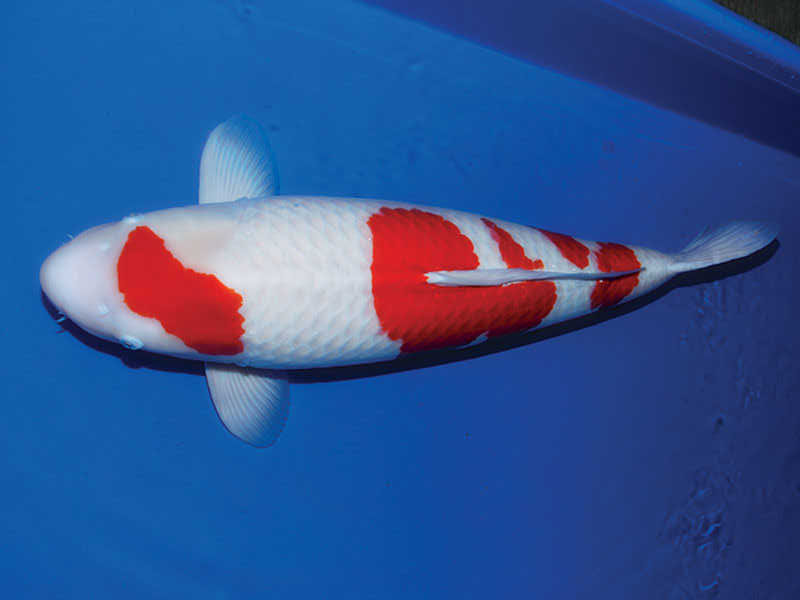
Koi Carp Farming and Ornamental Keeping: Costia Parasite Disease and Its Prevention and Treatment
Costiasis is one of the common parasitic diseases in koi carp, and it easily occurs in small fish tanks or small fish ponds with dirty water. After koi carp contract this disease, they often lie dormant at the bottom of the tank or pond, and in severe cases a layer of white or grayish-blue mucus attaches to the body, so it is also called white...
-
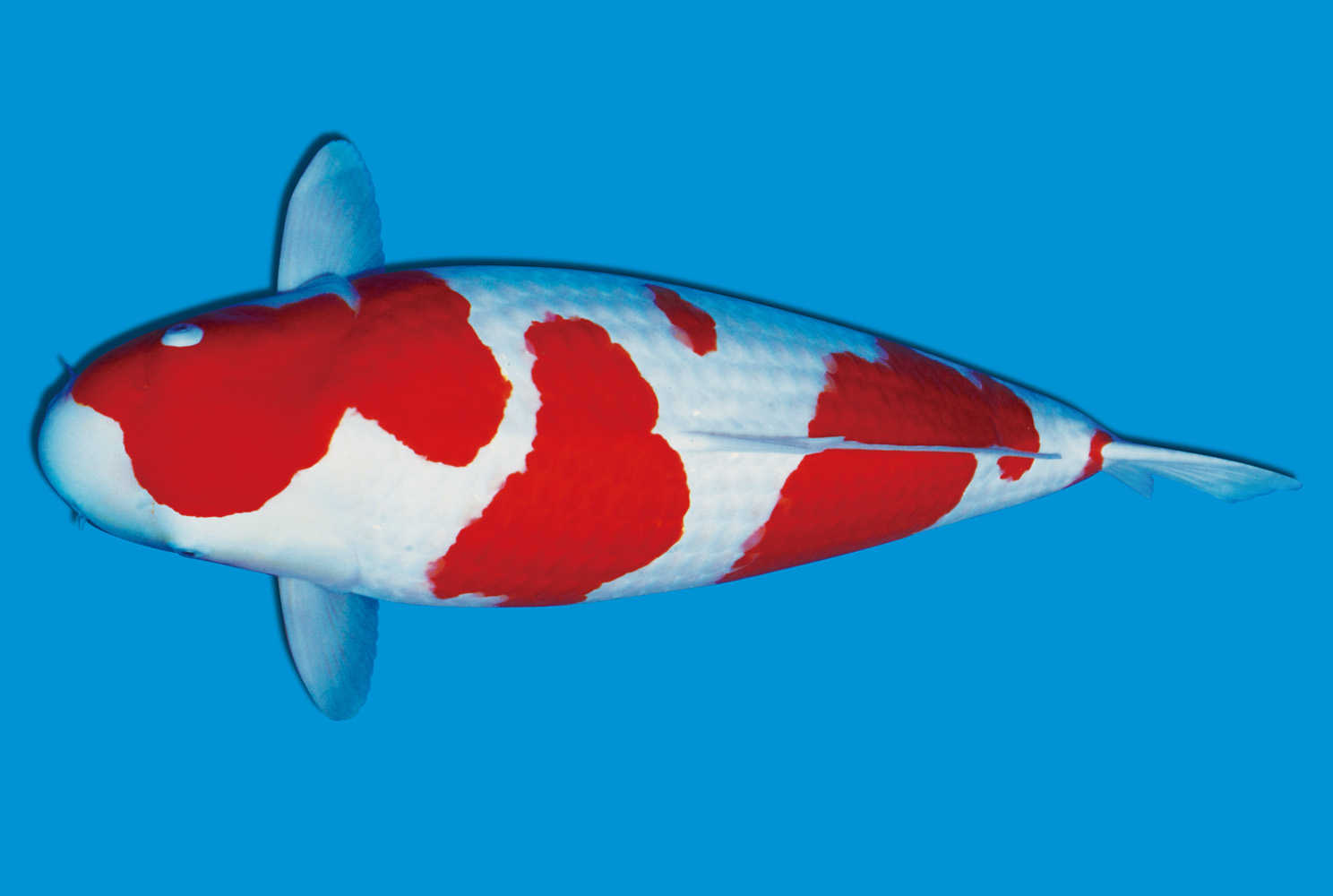
Koi Disease Symptoms and Other Diseases and Prevention: What to Do When a Fish Lies at the Bottom of the Tank
Koi are a large type of ornamental fish, and there are also a great many varieties of koi, enjoying the fine names of "living gems in the water" and "artworks that can swim." And because their requirements for water quality are not that high, they are very popular with people. But during...
条件筛选