-
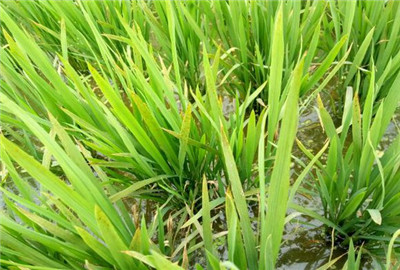
Disease causes and treatment methods for yellowing leaves and slow growth in rice seedlings
Rice is the second largest food crop in China, so achieving high rice yields is a matter of widespread concern. Because rice has weak resistance during the seedling stage, it is very prone to diseases. So what are the causes of these diseases? How can they be effectively treated? I. Nutrient deficiency effects a. Nitrogen deficiency starts yellowing from the tips of old leaves
-
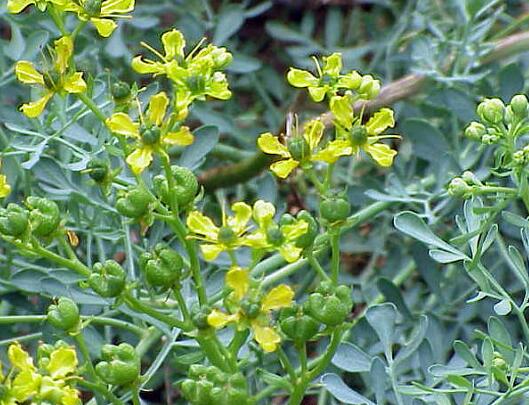
Complete Guide to Plant Disease Classification and Formula Medications
Plant diseases refer to the phenomenon in which plants, under the influence of biological or abiotic factors, undergo a series of morphological, physiological and biochemical pathological changes, thereby affecting human economic benefits. The symptoms of plant diseases are mainly divided into five major types: discoloration, necrosis, rot, wilting and deformity
-
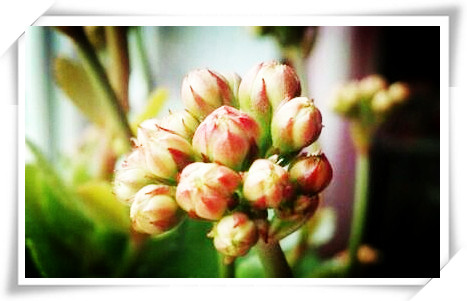
Pest and disease control techniques for aphids, red spiders, scale insects, damping-off, rust and powdery mildew on flowers
In spring, the temperature turns warm then cold again, and the air humidity is high. At present, the occurrence of crop pests and diseases is at a moderate to severe level, and flowers also suffer from many pests and diseases. Generally, the following are more serious in April and May: damping-off, when the temperature reaches 20°C
-
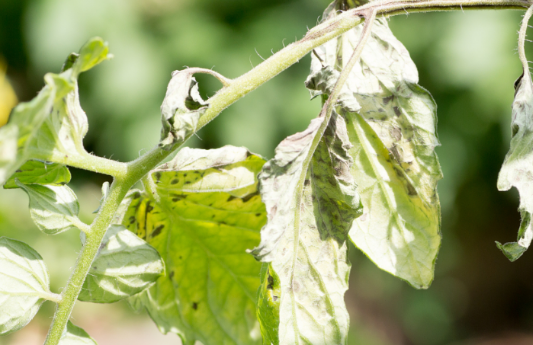
Plant diseases are contagious, and early detection and early prevention are key
Xiaozhi has recently been hearing from many friends telling me that the plants they grow have gotten sick and asking what the cause might be. Generally speaking, plant diseases can be physiological or pathological, just like in humans, and you need to treat the root cause. If you "misdiagnose," the plant ultimately still cannot be saved
-
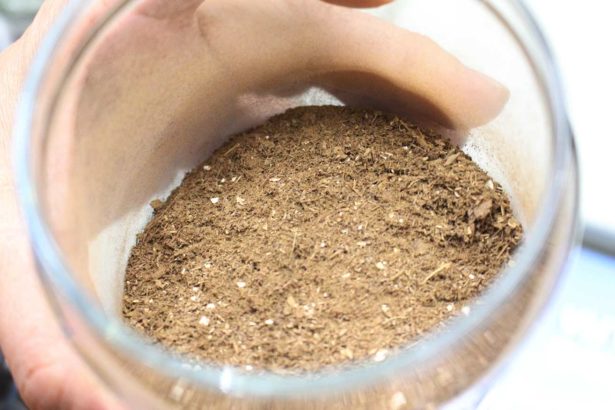
EPA calls on households to buy food waste processors: not throwing out food waste makes you a disease-prevention hero
Not throwing out food waste makes you a disease-prevention hero! EPA calls on households to buy food waste processors
-
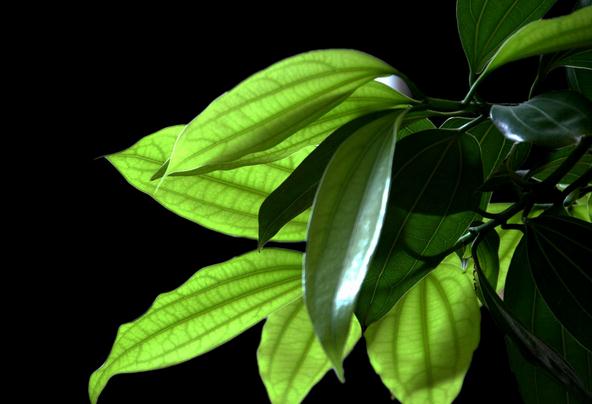
What to Do When a Peace Lily Tree Develops Disease? Symptom Analysis and Treatment Methods
Disease Analysis of the Peace Lily Tree - Anthracnose. 1. Symptoms: It mainly affects leaves at the seedling stage and on mature plants. When leaves are infected, it mostly occurs on the leaf surface, leaf tip, and leaf margin, appearing brown and irregular in shape, and later often expands or merges into large grayish-brown spots with brown, wavy edges; many small black granules form on the lesions
-

How to increase the egg production of Partridge chickens? Practical farming methods shared
How to increase the egg production of Partridge chickens
-
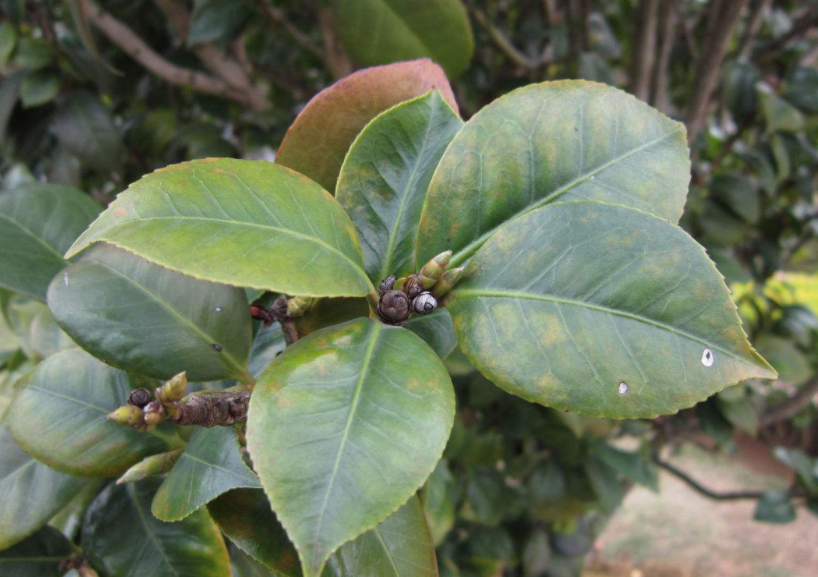
A Complete Guide to Camellia Disease Prevention and Control Methods
Camellia disease prevention and control methods: when the outbreak is small, gently wipe the mold layer clean with clean water; when the amount is large, spray 50% carbendazim at a 500-800 times dilution for control. Promptly eliminating pests such as scale insects and aphids can reduce the occurrence of sooty mold. Gray leaf spot, sooty mold and root rot are relatively common on camellias.
-
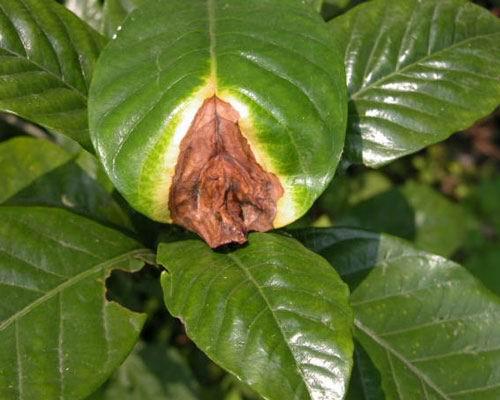
Pest and Disease Control Methods for Gardenia Cultivation
Pest and disease control for gardenia cultivation: Gardenia anthracnose. [Symptoms] This disease mainly affects the leaves of gardenia. It starts from the leaf tip and leaf margin, forming irregular or nearly circular brown lesions. Sometimes the entire leaf turns brown, and in severe cases it causes branch dieback or death of the whole plant.
-
What are the methods for controlling pests and diseases of narcissus?
Narcissus is a common decorative flower on office desks and dining tables. Anyone who has grown narcissus knows that although narcissus is beautiful, it is prone to attack by certain pests and diseases during cultivation. The main pests and diseases of narcissus are: narcissus leaf blight, large brown spot disease, basal bulb rot, and narcissus stem nematode disease, etc.
条件筛选