Plant diseases are contagious, and early detection and early prevention are key
Xiaozhi has recently been hearing from many friends telling me that the plants they grow have gotten sick and asking what the cause might be. Generally speaking, plant diseases can be physiological or pathological, just like in humans, and you need to treat the root cause. If you "misdiagnose," the plant ultimately still cannot be saved.
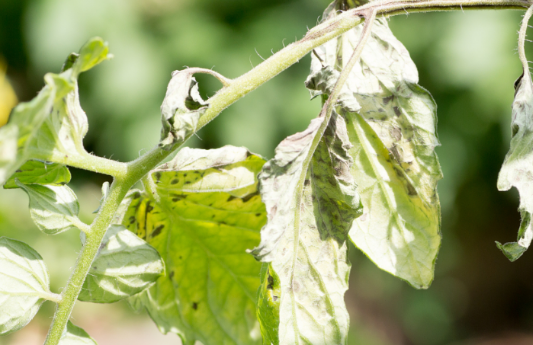
Infectious diseases of plants generally have 4 characteristics: infectiousness, limitedness, focal occurrence, and having disease signs. And plants generally spread viruses through these aspects as well.
1. Seeds
If the mother plant was infected by a virus in the early stage, it is possible that the virus invaded the floral organs, and the virus entered the seeds and caused toxicity. The virus-carrying rate of virus-infected seeds is generally 1%-30%, but the rate of Tobacco ringspot virus in seeds of diseased soybean plants reaches almost 100%, the rate of Squash mosaic virus in melon seeds reaches 28%-94%, and the rate of Barley stripe mosaic virus in barley seeds can reach 50%-100%.
2. Pollen
There are relatively few viruses transmitted through pollen. Generally, when pollen from a virus-carrying plant fertilizes a healthy plant, it causes virus transmission.
3. Vegetative propagation
1. Grafting, bud grafting, and stem grafting, etc. Almost all plant viruses can be transmitted through grafting.
2. Cuttings: virus-carrying cuttings grown through cutting propagation produce seedlings that carry the virus.
3. Natural root grafting: if fruit trees contract a viral disease, the disease is transmitted through contact between plants.
4. Stolons: virus-infected strawberry plants can transmit the disease through stolon contact with other plants.
5. Vegetative propagules: tubers (potato), root tubers (sweet potato), bulbs (onion), and corms (tulip) can all serve as carriers for virus transmission.
4. Insects
The main virus-transmitting insects are aphids and leafhoppers, other hemipteran insects (planthoppers, whiteflies, mealybugs, scale insects, etc., all with piercing-sucking mouthparts), as well as coleopteran insects (beetles, etc.), orthopteran insects (locusts), and others. Insect transmission of viruses is the most common, so this needs attention.
5. Viral infection
Apart from viral and mycoplasma-like diseases, other infectious diseases all have disease signs. For example, bacterial diseases have pus-like substances on the diseased parts, and fungal diseases have rust-like substances, powdery substances, mold-like substances, cottony substances, etc. on the diseased parts. One thing to tell everyone: there is a lot of public opinion on the market saying that if a plant has a virus, it cannot be eaten. This is wrong!
The prerequisite for viral infection is: the presence of receptor proteins for that virus on the host cell membrane. Plant viruses can only infect specific plants and absolutely cannot infect humans! Because plant cells and human cells have completely different receptor proteins on their membranes. Human cell membranes do not have receptor proteins for plant viruses, so plant viruses cannot infect animal cells and cannot enter human cells to reproduce!