-

Methods and Technical Key Points for Preventing and Controlling Pests and Diseases of Gastrodia elata
I. Diseases are mainly infections by miscellaneous fungi such as green mold, blue mold, and Mucor. When they occur severely, they can inhibit the growth of Armillaria mellea and can also infect Gastrodia elata tubers, causing rot. Prevention and control methods: (1) Choose well-drained plots for planting; (2) Select high-quality fungal wood; (3) Control temperature and maintain moisture during cultivation; (4) Fill the gaps between fungal wood with humus soil or rice grains. II. Pests mainly include white grubs, mole crickets, golden leaf beetles, termites, rats, and damage by livestock and poultry. Prevention and control methods: (1) Light trapping to kill; (2) Use 90% trichlorfon at 1000 times or 50% phoxim at 1000 times
-
What livestock and poultry diseases can honeysuckle (Japanese honeysuckle, Lonicera japonica) and common selfheal (Prunella vulgaris) treat?
Honeysuckle and common selfheal have the functions of clearing heat and detoxifying, clearing the liver and reducing internal heat, and dispelling wind and unblocking collaterals, and they have a strong inhibitory effect on bacilli and some viruses. Used alone or in combination, they can treat a variety of livestock and poultry diseases. 1. Rabbit heatstroke: 10-15 g each of honeysuckle, common selfheal and Jinji grass, decocted in water and given orally. 2. Piglet white scour: 100 g honeysuckle added to 1000 mL water, decocted down to 500 mL, mix the liquid together with the residue into the feed and feed it to the sow. Feed once each morning and evening, for 2 consecutive days; the cure rate reaches over 98%. 3. Pig eye opacity: affected pig's eye
-
What are the control methods for Panax notoginseng pests and diseases?
1. Yellow rust: both sides of the leaves are covered with rust powder, and in severe cases the leaves drop off. Once diseased plants are found, dig them out immediately; in the early stage of the disease, spray with 0.2 degrees Baume lime sulfur mixture, once every 7 days, for 2 to 3 times in a row. 2. Anthracnose occurs under rainy and excessively wet conditions. After seedlings or mature plants are infected, brown spots appear on the stems and leaves, later merging into large spots with yellow-green edges, and finally the plants rot and die. Adjust the light transmittance of the shade shed so that the light transmittance is uniform; in the early stage of the disease, spray with 1:1:200 Bordeaux mixture or 65% zineb 300 times dilution. 3
-
Identification and Control Methods for Common Diseases and Pests of Panax notoginseng
(1) Damping-off, also known as "rotten foot plague." The pathogen is a type of imperfect fungus among the fungi, harming seeds, seed sprouts and seedlings. Affected seeds rot into a milky white juice-like state, affected seed sprouts turn dark brown and die; affected seedlings show a dark brown ring-shaped depression at the base of the false stem (leaf stalk); seedlings bend over and die. Control methods: ① Before sowing, disinfect the soil with carbendazim or lithospermum liquid. ② Promptly pull out diseased plants when found, spread lime powder around the diseased plants, and spray with 50% thiophanate-methyl 1000-fold solution or 50% methyl
-
Control Methods for Common Pests and Diseases of Panax notoginseng
Panax notoginseng belongs to the genus Panax in the family Araliaceae. It is a perennial herbaceous plant and ranks second only to ginseng in the production of Chinese medicinal materials. Common pests and diseases include damping-off, anthracnose, root rot, phytophthora blight, aphids, red spider mites, and scale insects. 1. Damping-off: It occurs mostly in the high-humidity, low-temperature seasons of April to May, damaging the base of seedlings. In severe cases, seedlings die in patches. Infected seeds and seed buds turn blackish-brown and rot. After seedlings are affected, water-soaked yellowish-brown streaks appear at the base of the pseudostem (leaf petiole). As the disease progresses, these turn dark brown, and the diseased area then constricts,
-
What are the common tea plant diseases in China? This one article gives you a full understanding
More than 100 tea plant diseases have been recorded, and more than 30 are common. I. Leaf diseases: nearly 40 have been recorded. Bud and leaf diseases mainly include: tea blister blight, which occurs rather severely in high-mountain tea gardens in the southwestern tea region; tea white star disease and tea round red star disease, which cause severe damage under conditions of low temperature and high humidity in high-mountain tea gardens in the provinces of East China and Southwest China; tea bud blight is one of the common important diseases in Zhejiang, Hunan and other provinces. Diseases of mature leaves and old leaves include tea cloud-pattern leaf blight, tea ring spot disease, tea anthracnose, tea brown
-
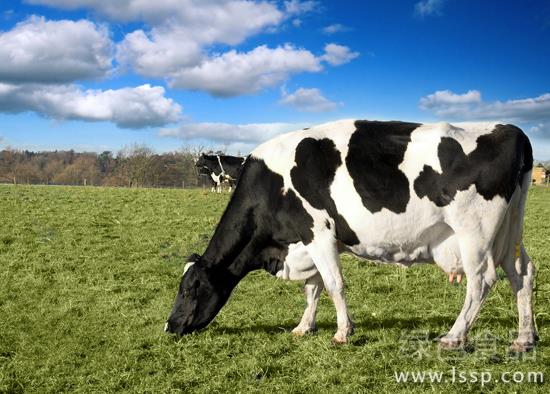
How to prevent and treat decreased milk production caused by udder edema in dairy cows?
How to prevent and treat decreased milk production caused by udder edema: udder edema in dairy cows
-
What are the spring control methods for sheep greedy-mouth disease?
In spring, sheep are prone to greedy-mouth disease. The reason is that after the long winter, the sheep lack nutrients in their bodies and are in poor condition; when they suddenly have young, tender, succulent green grass, it tastes especially sweet and delicious. But in early spring, the forage grass has just sprouted and turned green, and the amount of grass is very small, so they cannot fill their stomachs. The sheep would rather go hungry than eat dry grass and yellow grass anymore. Therefore, greedy-mouth disease occurs. This disease can cause sheep to lose weight and become thin and weak due to long-term hunger, affecting growth and health. Prevention methods: First, avoid green grass early in spring, try to avoid grazing on young tender green grassland, and wait until the green grass grows to about 10 cm
-
What is swine skin fungal disease?
It mainly occurs in piglets in nursery pens, and newly weaned piglets are especially susceptible; a few nursing piglets in farrowing pens also develop the disease. At first, 1-2 pigs in the same pen are affected, then it gradually spreads through contagion, and in severe cases all pigs in the same pen are affected. The incidence rate is as high as 50%-60%. [Incidence] It mainly occurs in piglets in nursery pens, and newly weaned piglets are especially susceptible; a few nursing piglets in farrowing pens also develop the disease. At first, 1-2 pigs in the same pen are affected, then
-
What is gout, a nutritional metabolic disease in ducks?
Gout is an internal medicine disease caused by a disorder of protein metabolism in the duck's body. Its main pathological feature is the accumulation of large amounts of urate in the joints or internal organs and other interstitial tissues. This disease mostly occurs in the cold winter and early spring seasons when green feed is lacking. Ducks of different breeds and ages can all be affected, and clinically it is mostly seen in young laying ducks. It is mostly caused by breeders one-sidedly pursuing weight gain speed while neglecting scientific feed formulation and feeding feed with excessively high protein content. After ducks become ill, it causes emaciation, loss of appetite, and severe
条件筛选