-

Orchid Leaf Abnormalities Reveal the Root Causes of Disease
01. Leaves yellowish but growing normally: light too strong. 02. Leaves turning yellow, new shoots small: excessive light, lack of nitrogen fertilizer or insufficient humidity. 03. Old leaves yellowing and dropping: normal aging and natural shedding, or improper repotting. 04. Tips of new leaves scorched: excessive fertilizer or pesticide, or unclean potting medium. 05. New leaves and old leaves...
-
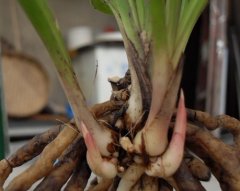
How to Increase the Germination Rate of Orchids? Practical Methods Shared
Most orchid growers hope their orchids will produce plenty of new shoots, which brings up the question of how to increase the orchid sprouting rate. Drawing on my own experience growing orchids, I believe effort needs to be put into the following aspects....
-
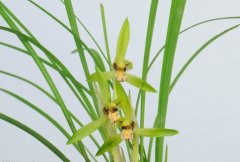
How to Increase Orchid Fragrance? A Detailed Guide to Practical Care Methods
In nature, orchids exude a delicate fragrance that refreshes the heart and mind, earning them the reputation of the "king's fragrance" and making them highly favored by people around the world. For thousands of years, people have cherished orchids, and their charm lies in that delicate fragrance. An orchid without fragrance is not worth keeping. Practice has shown that to increase orchid fragrance, attention must be paid to the following issues....
-
What are the common pest and disease control methods for Dendrobium orchids?
1. Diseases: (1) Soft rot: also known as bacterial brown spot, it mostly infects from the rhizome, but can also occur on leaves. It starts as small water-soaked dark green spots, which gradually expand into brown, softened, rotting lesions. A secretion oozes from the rotting area and is accompanied by a foul odor. The pathogen can spread through watering. High temperature and high humidity favor the development of the disease,...
-
Orchid Pest and Disease Control Methods and Key Technical Points
I. Anthracnose. This disease is the most common disease of orchids, mainly affecting the leaves. In the later stages, black dots appear on the lesions, eventually causing the diseased leaves to wither and turn yellow. The disease occurs frequently from May to June, during the plum rain season, or in years with abundant autumn rain or frequent typhoons from September to October....
-
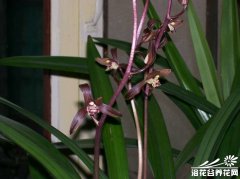
A detailed guide to the cultivation methods of Cymbidium sinense, teaching you to grow Cymbidium sinense with ease
Cymbidium sinense is also known as Baosui Orchid, Baisui Orchid, and Fengsui Orchid. The leaves of Cymbidium sinense are broad, generally up to 24.2 cm wide and about 2580 cm long. 25 leaves grow on the pseudobulb. The pseudobulb is relatively large, with a diameter of 1.5-2.5 cm. The leaves are glossy, with a cross-section in a shallow y shape or a flat leaf surface, and the leaf margins usually have no serrations. The flower stalk is upright, generally all taller...
-
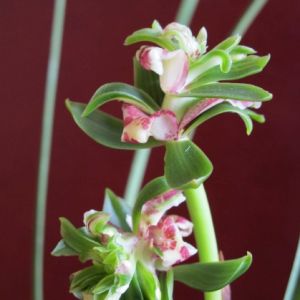
How can Cymbidium kanran release its fragrance, and how can the scent be enjoyed to best effect?
A rare flower of Cymbidium kanran 'Douban', with good color contrast, stretching to just the right degree, bold yet not unruly, with numerous petals and lips arranged in order. It won the gold award at the 10th Yunnan Provincial Orchid Exhibition in 2010.
-
What are the methods for controlling viral diseases in orchids?
For the foreseeable future, viral diseases will remain a stubborn and difficult problem for orchid growers. The difficulty lies first in the value of orchids. Whether in batches or as individual plants, ornamental orchids are perhaps the most expensive artificially cultivated plants. Potted flowering orchids retail for about 5 to more than 100 US dollars per pot...
-
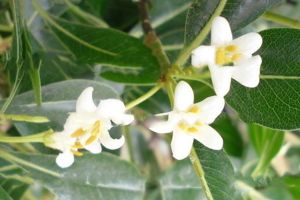
What are the methods for preventing and treating pests and diseases of Pittosporum tobira?
The flowers of Pittosporum tobira are small and white, very lovely, and a great helper in landscaping. With Pittosporum tobira helping to green the landscape, it can fill gardens with vitality and add a touch of brightness to the city. But if Pittosporum tobira gets sick or infested with insects, that vitality is gone, and so is the brightness. Therefore, we must take good care of it and prevent pests and diseases. To ensure they grow normally and play their role in beautifying our homes, we must first understand what pests and diseases there are, and then treat them according to the symptoms.
-
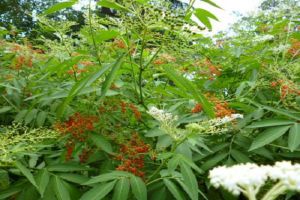
Detailed Explanation of Pest and Disease Control Methods and Techniques for Sambucus javanica
Sambucus javanica is a common plant with relatively abundant fruit that is small and compact, red in color, and highly valuable medicinally. Quite a few people cultivate it. However, because it is susceptible to pests, if no one takes measures to save it, or if there are no natural enemies of the insects to eliminate them, it is very difficult to cure. So today we will discuss exactly how to do a good job of pest and disease control.
条件筛选