-

Key Cultivation Techniques for Growing Bamboo Fungus (Phallus indusiatus) in the North
At present, the main production areas for bamboo fungus are in the south, because the southern climate is warm and humid and suitable for the growth of bamboo fungus. Can bamboo fungus be cultivated in the cold and dry north? After several years of trials, the author found that as long as management is strengthened, growing bamboo fungus in the north can also achieve relatively good returns
-
Technical Points for Cultivating Dictyophora indusiata with Soybean Shade
Traditional cultivation of Dictyophora indusiata used bamboo shavings as the raw material, and the yield was low (20-30 kg/mu). Starting in 2000, the country's first use of rice husks as the raw material for cultivation together with shade sheds raised the yield per mu to 120-150 kg, increasing the benefit by 4-5 times. Starting in 2001, cultivation with soybean shade was used,
-
Introduction to the cultivation methods of bamboo fungus (Phallus indusiatus) from the Phallaceae family, and how much does it cost per jin?
Bamboo fungus is an edible fungus of the Phallaceae family, and its nutritional value is very high. As a dish, it ranks above all other fungi and can be called the ultimate in color, aroma and taste. So, how is bamboo fungus grown? What is the price per jin? Here we introduce the cultivation methods and price of bamboo fungus. 1. Bamboo fungus
-
A Detailed Guide to the Latest Blueberry Propagation Methods, a Must-Read for Growers
Blueberry is also called dusi or dushi, and it is a small shrub fruit originating from North America. Blueberries are rich in anthocyanins and other nutrients needed by the human body, and can help prevent cranial nerve aging, strengthen and protect eyesight, strengthen the heart, soften blood vessels, and enhance
-
Which regions are the main producing areas of bamboo fungus (Phallus indusiatus)?
Bamboo fungus is mainly produced in Jiangxi, Fujian, Yunnan, Sichuan, Guizhou, Hubei, Anhui, Jiangsu, Zhejiang, Guangxi, Hainan and other places in China, among which Sanming and Nanping in Fujian, Zhaotong in Yunnan, Zhijin in Guizhou and Changning County in Sichuan are the most famous.
-
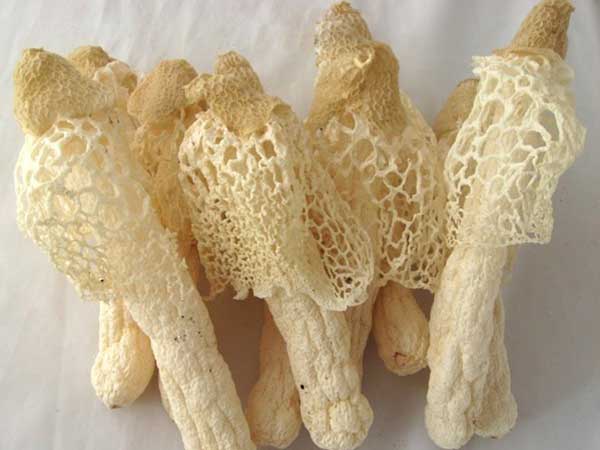
Which regions are the main producing areas of bamboo fungus (Phallus indusiatus)?
What are the main producing areas of bamboo fungus?
-
How to Grow Dictyophora indusiata (Bamboo Fungus) with Standardized Cultivation? Key Technical Points Explained
How do you grow bamboo fungus with standardized methods? What should you pay attention to? We also ask experienced growers to kindly share their know-how on standardized bamboo fungus cultivation techniques. Zhongdi Web gives a detailed introduction below for growers' reference. 1. Environmental requirements for bamboo fungus: Nutritional requirements of bamboo fungus: bamboo fungus is a nitrogen-loving fungus, and nitrogen is the raw material necessary for bamboo fungus to synthesize proteins and nucleic acids. If the nitrogen level is too low, the mycelium will not grow thick and strong, and yields will be low. Generally, bamboo powder and sawdust are deficient in nitrogen sources. When building piles for fermentation, add urea to the substrate, and apply additional urea to the cultivation site to increase nutrients in the cultivation site, promote thick and vigorous mycelial growth, and raise yields.
-
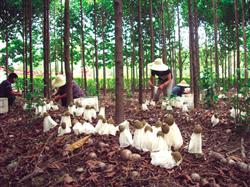
How should bamboo fungus (Phallus indusiatus) be cultivated to achieve high yields?
How can bamboo fungus cultivation achieve high yields? Please introduce the methods. To achieve high yields in bamboo fungus cultivation, the following points should be noted: 1. Cultivation site: Choose sandy loam woodland with convenient drainage and irrigation, and make beds under the forest canopy with a shading density of 80%-90%. The beds should be 15-20 cm deep, 40-50 cm wide, oriented north-south, with length depending on...
-
How is bamboo fungus (Dictyophora indusiata) cultivated using mulberry branches and sugarcane bagasse?
How is bamboo fungus cultivated using mulberry branches and sugarcane bagasse? Please give an introduction. Bamboo fungus is a well-known edible mushroom, rich in nutrients and delicious in taste. Previously, there was no artificial cultivation in this county, and no fresh products were sold on the market. People were not as familiar with bamboo fungus as with other mushrooms, thinking that its cultivation techniques might be relatively complicated, but this is not the case...
-
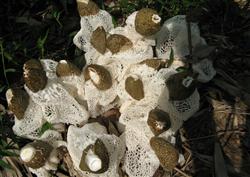
A detailed guide to bamboo fungus (Dictyophora indusiata) cultivation techniques, teaching you how to grow bamboo fungus well
Bamboo fungus cultivation can be carried out by referring to the following methods: 1. Field spawn production. As long as growers purchase bamboo fungus raw materials, they can make their own cultivation spawn at the field edge. From late December to early January, choose a corner of the field and prepare a compost bed for breeding. Use 80% mixed wood sawdust and 20% wheat bran as the culture medium for bamboo fungus spawn, add 110% water, then put it into woven bags, sterilize under normal pressure for 10 hours, take it out and flush water into the bags with clean water to let it drain, then mix in 1% gypsum powder, pile it onto the breeding bed, adopt the method of 2 layers of material and one layer of spawn sowing, and sprinkle some spawn on the surface of the last layer of material. For each sq m of bed, use 20 kg of dry material and 3-4 bottles of bamboo fungus stock spawn. To cultivate 100 sq m of area, only 4 sq m of field spawn production is needed, equal to 25:1. After sowing, cover the surface with woven bags, shade with rice straw, and finally cover with film supported by bamboo strips arched over. After sowing, uncover the film for ventilation once every 3-5 days. After 40-50 days of cultivation, when the mycelium covers the material pile, it becomes field bamboo fungus spawn.
条件筛选