-
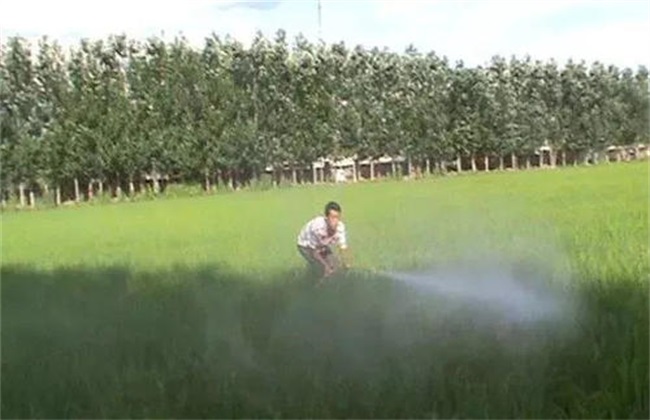
What are the correct methods for using pesticides during the rainy season?
How to use pesticides during the rainy season
-
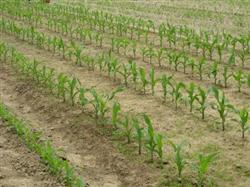
How to control weeds during summer corn cultivation?
How to control weeds when planting summer corn? Please explain the methods. When planting summer corn, you can refer to the following two methods for weed control: The "seal-and-kill" weed control technique involves a "seal-and-kill" treatment before corn emergence after sowing, that is, using a soil-sealing herbicide in combination with a non-selective herbicide, so that a single application achieves both soil sealing and killing of visible weeds...
-
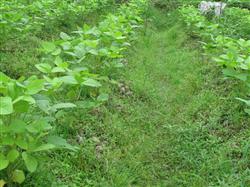
How can weeds be effectively controlled during soybean cultivation?
How do you control weeds when growing soybeans? The main weeds in soybean cultivation include monocotyledonous weeds such as crabgrass, barnyardgrass, goosegrass, lambsquarters, and foxtail; broadleaf weeds include redroot pigweed, eclipta, copperleaf, and velvetleaf. Summer soybeans are usually sown in June, during the hot and rainy season, when weeds emerge aggressively, at high density, grow vigorously, and are diverse in species, easily forming a weed infestation. Generally, weeds begin to emerge 5 days after soybean sowing, and the entire weed emergence period lasts about 60 days, which is extremely unfavorable for high soybean yields. For this reason, accurately mastering chemical weed control techniques is crucial.
-
What are the precautions for using insecticides during the melon seedling stage
A agricultural supply seller from Yandu District, Yancheng City called to report that a local farmer used abamectin and dimehypo to control pests in rice fields. After application, a small amount of pesticide solution was left over and was incidentally sprayed onto 0.1 mu of soybeans grown by the family. As a result, the soybeans showed symptoms resembling scalding by boiling water the next day, then turned yellow and dried up. He asked whether the soybeans...
-
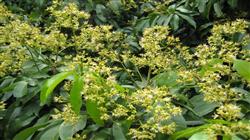
Why are insecticides prohibited during the lychee flowering period?
Experimental research and production practice have proven that placing bees for pollination during the lychee flowering period is the guarantee of a bumper lychee harvest, and the honey made by bees from collected pollen is also a natural health food for humans. In order to prevent bee poisoning and honey contamination, ensure that enough worker bees are out foraging for nectar, improve pollination effectiveness, and protect human health...
-
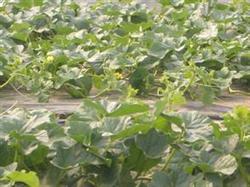
What are the precautions for using insecticides during the melon seedling stage?
Melon seedlings are sensitive to many insecticides and are highly prone to pesticide damage, so insecticides must be used with extra care. For pests such as ground beetles, a moat method can be used: dig a small ditch around the seedbed, line it with waterproof plastic sheeting, then fill it with water and add Shennongbao or Amaier to form a barrier, which is very...
-
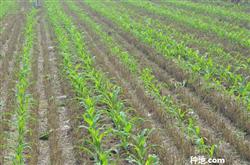
How to correctly apply herbicides during the maize seedling stage
How should herbicides be applied to maize seedlings? Please give guidance. For post-emergence chemical weed control in maize, herbicides must be strictly selected and mixed and applied according to the instructions. In plots with severe weeds, the dosage may be increased by 15-20% above the rate stated in the instructions. Method: for foliage treatment, it must be done before maize reaches the 6-leaf stage and before weeds reach the 2...
-
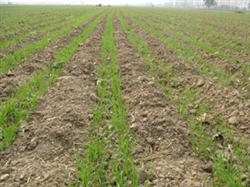
Can acetochlor be used for weed control during the wheat seedling stage?
Can acetochlor be used on wheat seedlings? Please advise: acetochlor must not be applied to wheat seedlings. Wheat is fairly sensitive to acetochlor from just emerging until before the 2-leaf stage, and applying the herbicide at this time easily causes herbicide injury. In wheat fields, acetochlor should be applied after sowing but before emergence, or after the wheat reaches the 2-leaf 1-heart stage. After application, keeping the field moist gives a better sealing effect; note that the soil...
-
How can non-toxic disinfestation be achieved during grain storage?
How do you carry out non-toxic disinfestation when storing grain? Please explain the methods. When storing grain, the high-temperature disinfestation method can be used. Generally, stored-grain pests can tolerate high temperatures of 35-40°C; under conditions of 46-48°C, sustained over a longer period, the pests can be killed, while above 50°C, the vast majority of pests will die within a short time...
条件筛选