What are the correct methods for using pesticides during the rainy season?
Pesticides can be said to be an indispensable item in farming in our country. Whether used to prevent and control pests and diseases, or to regulate crop growth, pesticides are more or less needed. However, when we use pesticides, we basically stop using them when the rainy season comes, because the liquid is easily washed away and loses its effect. But if you have to use pesticides on rainy days, how should you use them? Let's take a look together below!
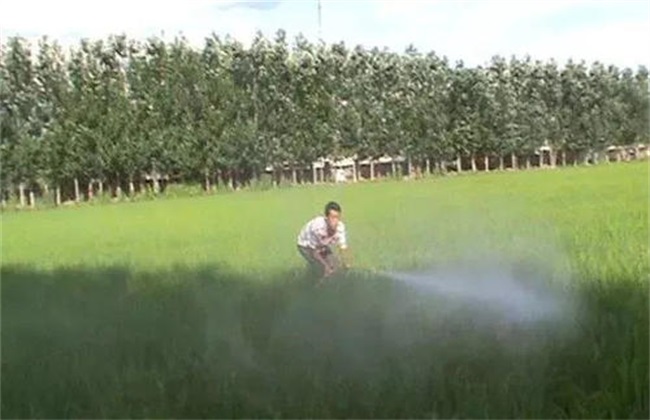
1. Choose systemic pesticides
There are many varieties of pesticides, among which systemic pesticides can enter the crop through parts such as the roots, stems and leaves. They are then transported through the crop's vascular system to other parts of the crop, and can remain effective for a period of time. Common systemic insecticides include carbofuran, omethoate and others. Fungicides include carbendazim, triadimefon and others. After application, this type of pesticide can be absorbed by the crop in about five hours, with nearly 80% of the active ingredient taken up and taking effect, and it will not be washed away by rain and lose efficacy.
2. Choose fast-acting pesticides
When using pesticides during the rainy season, we should also choose fast-acting pesticides. Common insecticides in our daily lives such as dichlorvos and deltamethrin are among the fast-acting pesticides. Fast-acting pesticides, as the name suggests, take effect quickly; after application, this type of pesticide can produce a very strong contact-killing or fumigant effect, generally killing pests in about two hours after application. Therefore, it can also effectively reduce the chance of reduced efficacy due to rain washing, and improve the control effect.
3. Choose rain-resistant pesticides
As just mentioned, there are many varieties of pesticides, and among them there are also some rain-resistant pesticides. For example, validamycin and fenaminosulf both have good rain resistance. Within two to five hours after application, if moderate showers occur, they will basically not be greatly affected. Alternatively, we can add an appropriate amount of sticker to the pesticide to improve the pesticide's adhesion to crop pathogens, ensuring that it will not be washed off if light to moderate rain occurs after application, thereby improving the control effect of the pesticide during the rainy season.
4. Other measures
During the rainy season, we should pay attention to appropriately changing the method of pesticide application. For example, when applying systemic pesticides, they should be mixed into fine soil before the pests appear, and then applied to the soil near the crops. Let the plants absorb them, so that the pests take in the pesticide and die. This method is one of the more suitable methods for use during the rainy season. At the same time, we should also reasonably choose the application time according to the activity patterns of the pests. For example, for some nocturnal pests, pesticide should be used in the evening, while for diurnal pests it should be used in the morning.
The above is a brief introduction to how to use pesticides during the rainy season. That is all for today's introduction. This article is for reference only, and I hope it can help everyone!