-

What should be noted during the cultivation of Yulan magnolia?
Points to note when cultivating Yulan magnolia
-

Detailed Explanation of Key Management Techniques for Angelica sinensis During the Overwintering Period
For directly sown Angelica sinensis (Chinese angelica), in combination with topdressing before winter, cover the seedlings with manure-enriched soil or add a layer of fine soil about 1 cm thick over the seedlings to protect them from frost damage; for seedling-raised and transplanted Angelica sinensis, seedling storage work must be done well in winter; for seed-bearing Angelica sinensis, in order to improve seed yield and quality, before harvest, robust and uniform seedlings grown on high mountains or mid-mountain slopes must be selected for seed production. Afterwards, cut off the aboveground parts of the seed-bearing plants, remove all weeds, let them overwinter naturally, and keep watch frequently to prevent livestock from entering and trampling them, which would cause gaps in the seedlings. In early spring of the following year, if weeds are seen growing, they can be pulled out by hand; at this time, the root system covers the soil surface, so hoeing for weed control and fertilization must not be used, to avoid cutting the root system and hindering plant growth.
-
Key Technical Points for Pest and Disease Control During the Cultivation Period of Gastrodia elata
Gastrodia elata is a commonly used traditional Chinese medicinal herb. It is a special seed plant with no roots and no green leaves; it cannot nourish itself and must rely on symbiosis with Armillaria mellea to obtain nutrients for reproduction and growth. Therefore, cultivating Gastrodia elata differs from growing green plants, and three key steps must be managed according to its growth patterns. First, the cultivation of Armillaria mellea-infected wood; second, the selection and cultivation of Gastrodia elata seed tubers; third, the symbiotic cultivation of Gastrodia elata with Armillaria mellea. In all three production steps there is a chance of contamination by miscellaneous fungi, and if any step is done poorly, especially under unfavorable conditions, it will lead to failure in Gastrodia elata cultivation.
-
What are the key technical points for managing Schisandra chinensis during its growing period?
1. Water management: In the first year after planting, water should be applied multiple times to ensure soil moisture content, thereby ensuring the survival rate of the seedlings and the normal growth of young trees. For trees that have entered the fruiting stage, in a normal year, ensure 4-5 waterings: pre-flowering water, post-flowering water, fruit-swelling water, and freeze-up water, while combining with intertillage and weeding. After watering, loosen the soil immediately to preserve moisture and prevent soil compaction. 2. Fertilization management: In the first year after planting, in early to mid-June, apply 15-20 kg of urea per 667 sq m as a top dressing. For 2-year-old plants, in early May, apply phosphorus
-
How should goji berries be harvested during cultivation?
Harvesting methods for goji berries: After goji berries are planted from cuttings, harvesting can generally begin in 50 to 60 days. First harvest the vigorously growing branches and leave the remaining young branches to continue growing. When the newly grown branches reach about 40 to 50 cm, and before the leaves at the base age, cut the tender branches at the base. New tender shoots can grow again from the axillary buds at the base, and thereafter they can be harvested in several rounds. After summer begins, when the temperature rises above 25 degrees Celsius, it is unfavorable for the growth of branches and leaves, so fertilization and watering should be stopped to inhibit growth and carry the plants through the summer. After the weather turns cool in autumn, growth continues, and harvesting
-

-

What should be noted during the process of planting dwarf lilyturf (Ophiopogon japonicus)?
What should be noted when planting dwarf lilyturf
-
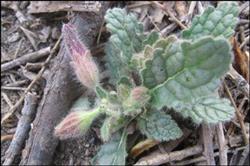
How to manage Rehmannia glutinosa during the seedling stage? These planting techniques must be mastered
How should Rehmannia glutinosa be managed during the seedling stage? What should be noted? Please provide methods. For managing Rehmannia glutinosa during the seedling stage, you can refer to the following methods: 1. Cultivation and weeding: From the end of April to the beginning of May, management should focus mainly on cultivation and weeding. During the period when Rehmannia glutinosa seedlings emerge, weeds in the field must be removed promptly to prevent weeds...
-
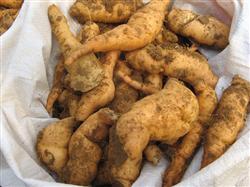
How to harvest and process Rehmannia (Chinese foxglove) during cultivation? A detailed guide to the methods
How is Rehmannia harvested and processed? Please introduce the methods. Rehmannia harvesting and processing can be carried out with reference to the following methods: 1. Harvesting Rehmannia: the leaves, flowers, and rhizomes of Rehmannia can all be used as medicine. For Rehmannia leaves, in the late growth stage of Rehmannia, select robust, disease-free plants, pick some leaves appropriately, and dry them in a cool place...
-

What issues need attention during the process of growing Gastrodia elata
What issues need attention when growing Gastrodia elata
条件筛选