-
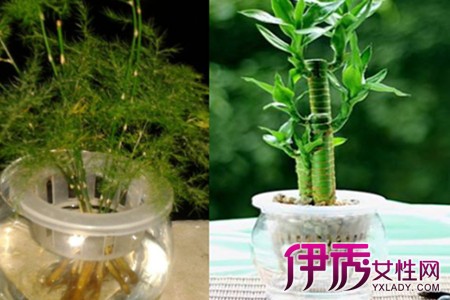
How Often Should You Change the Water for Hydroponic Plants? Proper Cultivation Is the Key to Growing Beautiful Flowers
More and more people now enjoy growing hydroponic plants at home, because hydroponic plants save space and are highly ornamental. However, some people do not know how to change the water for their hydroponic plants, and as a result, their hydroponic plants do not grow well.
-
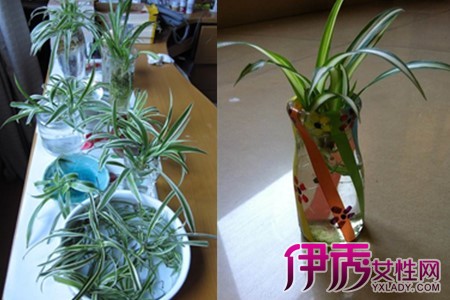
Spider Plant Hydroponic Growing Method Shared: Clean, Beautiful, and Air-Purifying
Spider plants have a strong air-purifying ability and are very suitable for indoor growing. The traditional way to grow spider plants is in soil, but as people's living standards improve, they are more willing to use the clean hydroponic method, which also lets them admire the roots.
-
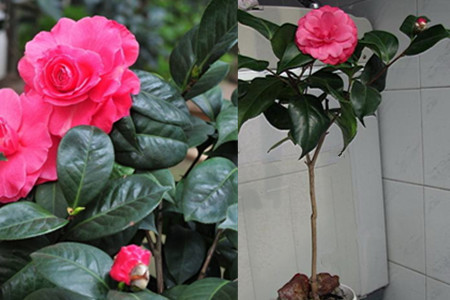
To make hydroponic camellias easy to root, these five cultivation steps must be done well
Camellia flowers are full and gorgeous, making them perfect for decorating an environment. And most friends who like to grow camellias indoors choose the hydroponic method. So when growing camellias hydroponically, what should be done to help them root quickly?
-
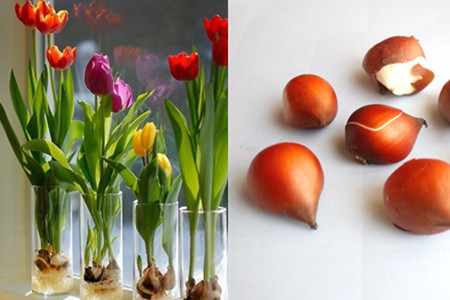
Tulip bulb hydroponics: change the water promptly for better growth
Tulips are plants of the genus Tulipa in the lily family (Liliaceae), and are the national flower of Turkey, Kazakhstan and the Netherlands. Tulips are long-day flowers, fond of sunny, wind-sheltered spots. Their planting methods fall into soil culture and water culture; below we introduce how to grow them hydroponically.
-
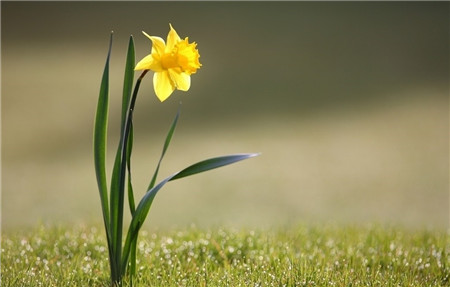
Can narcissus be grown in water? A detailed guide to hydroponic growing methods
1. Narcissus can be grown in pots or in water; most households grow it in water. The water-growing method for narcissus is as follows: first buy a few narcissus bulbs, remove the outer skin, soil and protective roots, then use a small knife to peel off 3-4 layers of outer skin from the upper part of the bulb so that the flower buds between them are exposed. Be careful not to damage the flower buds when peeling.
-

What to Do About Flower and Pod Drop in Yardlong Beans? A Detailed Guide to Prevention and Control
What to Do About Flower and Pod Drop in Yardlong Beans
-
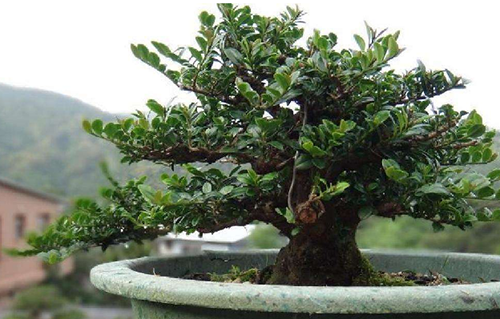
What to Do When a Pterocarpus santalinus Bonsai Drops Its Leaves? A Detailed Guide to Solutions
Pterocarpus santalinus is a tropical plant with high water requirements. If it is not watered, its leaves will wither and then fall off. So if your Pterocarpus santalinus is dropping leaves from drying out, you should make sure to water it every few days. However, do not overwater it; for most plants, overwatering causes root rot.
-
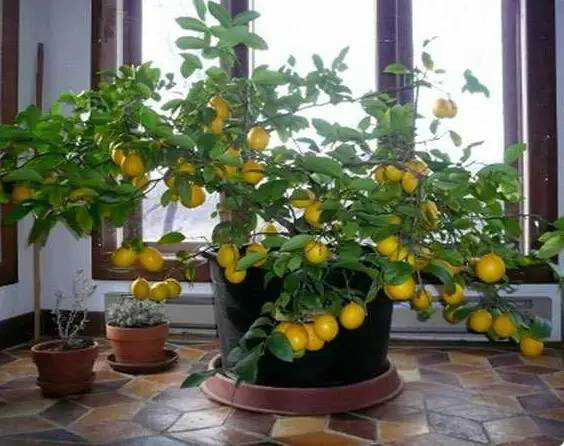
What to Do When a Potted Lemon Drops Its Leaves? A Detailed Guide to Solutions
To address the above problems, we can appropriately reduce watering, watering thoroughly only after the soil has dried out, and we can mist more often. In northern regions, you can also water it with some ferrous sulfate solution, and you should regularly replace the potting soil for potted lemons. If root rot occurs, you need to remove the lemon's flower buds, then cut away the rotted roots and replant it.
-
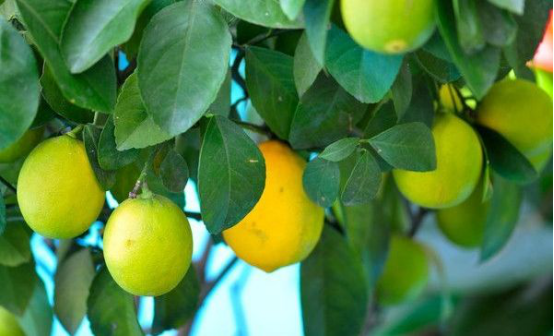
What are the reasons for a potted lemon dropping its leaves?
The reasons a potted lemon drops its leaves may be that it needs an adjustment period, overwatering, root rot, or red spider mite damage. When growing it, you can appropriately reduce watering; in the north you can also give it some ferrous sulfate solution. If the roots have rotted, remove the lemon's flower buds, then cut away the rotted roots
-
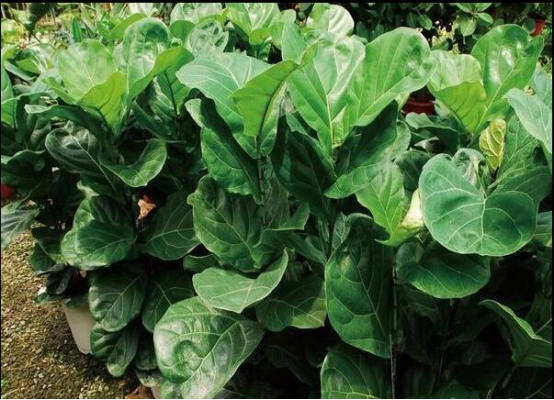
What to Do When a Fiddle Leaf Fig Dries Out and Drops Its Leaves? Causes and Remedies
Once we notice the fiddle leaf fig dropping leaves, we need to find the cause. Usually, as long as we find the cause, the problem of dry, dropping leaves is easy to solve. 1. Soil causes. Because the fiddle leaf fig is suited to growing in slightly acidic soil, and most of the water we normally use for watering plants is tap water, over time
条件筛选