-
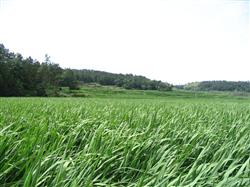
How to grow double-cropping water bamboo? A detailed explanation of planting techniques and management points
Its main cultivation techniques are as follows: 1. Select good varieties. The double-cropping wheat variety we chose is Suozi Kuan. Based on many years of introduction, comparison and observation, the Suozi Mei variety is a late-maturing variety among spring Mei and an early-maturing variety among autumn Meng. This variety has thick fleshy stems, is white and smooth, and the single weight of shelled water bamboo is 110-180g, while the single weight of peeled water bamboo...
-

Detailed Explanation of the Double-Ridge High-Mound High-Yield Cultivation Technique for Potatoes
Potatoes grown with the double-ridge high-mound cultivation method are deeply favored by the vast number of farmers because they are free of disease, show a large yield increase, have good tuber shape, and a high marketable rate. As a result, double-ridge high-mound cultivation has become a technical measure commonly adopted by farmers in Xuanwei. The characteristics of the "double-ridge high-mound" potato cultivation method are the optimized integration of good varieties, good methods, and a good growing environment; the goal is to increase potato yield and the marketable rate and raise farmers' incomes; the core of the technique is the "six changes," namely: first, change from using multiple, inferior, and mixed varieties to applying leading improved varieties; second, change from intercropping corn with potatoes to growing potatoes alone;
-
New Technique for Whole-Seed Potato Cultivation with Plastic Mulch and Double Rows on High Ridges
1. Reasonable crop rotation and stubble reversal To economically and effectively utilize soil fertility and prevent soil-borne diseases, pests, and weeds, avoid continuous potato cropping or planting potatoes on the stubble of other root and tuber crops. Also, do not rotate with other Solanaceous crops such as eggplant and tomato, otherwise yields will be reduced by 15%-20%. Potatoes can be rotated with cereal crops and legume crops for more than 3 years. 2. Land preparation and ridge formation Potatoes are suitable for planting in deep, loose soil, with deep plowing and fine land preparation. After harvesting the previous crop, promptly clear the stubble, plow deeply about 25 cm
-
Two-crop Double-season Garlic Cultivation Techniques
I. What is two-crop (double-season) garlic. So-called two-crop (double-season) garlic means planting one season of early green garlic and one season of plastic-film garlic (also called harvest garlic, harvested for scapes and bulbs) within the year. II. Benefits of two-crop garlic 1. It can effectively raise land utilization and realize a "three plantings, three harvests" or "four plantings, four harvests" cropping system in one year, namely "corn → green garlic → harvest garlic" or "corn → watermelon or winter melon → green garlic → harvest garlic". Every year 4-5 days before the "Qingming" solar term, plant 2 rows of corn along the edge rows of the garlic (planting waxy fresh corn is best), and leave the corn stalks to cover the garlic; interplant early watermelon or winter melon in the wide rows of the garlic (harvest garlic) (watermelon or winter melon is grown by the seedling transplanting method), and harvest garlic bulbs in batches while the watermelon or winter melon grows; plant green garlic around mid-July, and lift and market the garlic from late September to early October; plant plastic-film harvest garlic in mid-to-late October.
-
Detailed Explanation of Key Techniques for Super-High-Yield Cultivation of Double-Season Rice in South China
(1) Sow at the right time and cultivate strong seedlings. For early rice, use dry-raised seedlings, with a seeding rate generally of 90 g/m2 and a sowing period in mid-to-late March; for late rice, use sparse sowing for strong seedlings or two-stage seedling raising, with a seed rate of about 1.0 kg per mu. (2) Ridge and bed cultivation. Bed width 3-4 m, ditch width 0.2-0.25 m, and open surrounding ditches well to facilitate water management and field operation management. (3) Wide-row close planting. The planting density is 30-40 hills/sq m, with a row spacing of about 25 cm. Generally, early rice has 3-4 seedlings per hill, and late rice is transplanted as single seedlings or double seedlings, ensuring
-
Detailed explanation of the double-low rapeseed minimal and no-tillage relay direct seeding cultivation technique
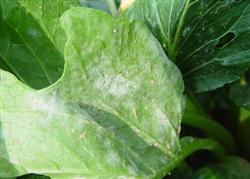
Controlling rapeseed powdery mildew well is a prerequisite for obtaining high yield and high quality in rapeseed, while autumn-sown rapeseed at the final flowering stage and the middle-to-late pod stage is precisely in the March-April period of high temperatures and shading between plants, when powdery mildew occurs rather commonly, greatly reducing the 1000-grain weight of rapeseed and thereby affecting yield; therefore, the control of rapeseed powdery mildew is very important. 1. Harm...
-

Effect of phosphorus nutrition on double-low rapeseed and the timing of application
Rapeseed white butterfly, scientific name Artogeia (Pieris) rapae (Linnaeus), order Lepidoptera, family Pieridae. Synonym Artogeia rapae (L.). Also known as the cabbage white butterfly, white powder butterfly. The larva is called the cabbage caterpillar. Distributed throughout the country. Hosts include rapeseed, cabbage, cauliflower, Chinese cabbage, radish and other cruciferous vegetables...
-
Detailed Explanation of Key Points of Potato Double-Mulch Cultivation Technology
Potato double-mulch cultivation technology is a comprehensive cultivation technique combining plastic film mulching with arched sheds, mainly addressing frost damage to early-spring potatoes in northern regions, promoting early sowing and early marketing of potatoes, and increasing farmers' income. Potato double-mulch cultivation generally brings potatoes to market 30 days earlier than plastic-film potatoes, with a per-mu yield of up to 2500 kg and a per-mu income of over 2000 yuan, showing very significant economic benefits. Its main cultivation techniques are: 1. Site selection and shed construction. For double-mulch cultivation, a long strip of land 50-60 m east-west and 6 m north-south should be selected.
-
Detailed Explanation of the Double-Ridge, High-Moisture, High-Yield Cultivation Technique for Potatoes
The main feature of the double-ridge, high-moisture potato cultivation method is the optimized integration of good seed, good methods and a good growing environment. Its core technique is the "six changes": first, changing from the use of multiple, inferior and mixed varieties to the use of leading improved varieties; second, changing from intercropping corn with potatoes to growing potatoes alone; third, changing from the "starry sky" planting method to double-ridge, high-moisture cultivation; fourth, changing from one intertillage and ridging to two or three intertillages and hillings; fifth, changing from one-sided application of nitrogen fertilizer to balanced fertilization based on soil testing and formula (mainly phosphorus and potassium fertilizers); sixth, changing from rough field management to fine management (with the focus on timely irrigation
-
High-Yield Spring Cultivation Techniques for Potatoes in Double-Cropping Regions
I. Select High-Quality Virus-Free Seed Potatoes In double-cropping regions, the spring period suitable for potato growth is relatively short (60-70 days), so it is essential to select early-maturing virus-free varieties with a short dormancy period, early tuber formation, rapid tuber expansion, strong stress resistance, and high quality and yield, such as Yupotato No. 1 and No. 2, and Favorita. The seeding rate is 120 kg per mu. II. Early Cutting and Early Sprouting 1. Warm the seed potatoes and cut them. Before cutting, place the seed potatoes in a room or a sun-heated cold frame at 12-15°C for 5-7 days to warm them, prompting the seed potatoes to break dormancy and the eyes to sprout. About 2
条件筛选