-
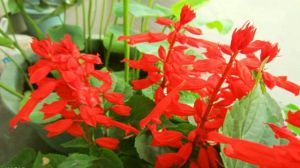
In what season does scarlet sage bloom? An introduction to its flowering period
Generally, scarlet sage's flowering time is concentrated from May to November each year, though its flowering time varies slightly depending on changes in care conditions. If cared for properly, it can bloom all year round.
-

How long does it generally take for carnations to root after cuttings?
Carnation cuttings root in about 2 months. When taking cuttings, choose healthy branches about 10 cm long, use well-aerated soil as the medium, water thoroughly, and place in a shady spot. After 2 months, once they have rooted, pot them up and care for them normally in sunlight. Do this after early spring, keep the temperature at 14-20°C, maintain ample light, and water only when the soil looks dry.
-

The correct way to eat wax apple: Does it need to be peeled?
Wax apple does not need to be peeled; eating it with the skin gives a crisper texture. Because its base easily traps dirt, it must be washed clean before eating. For soaking, you can choose either plain water soaking or alkaline water washing. There are various ways to eat it: you can wash it and eat it directly, mix it with other cooked foods, or make candied fruit.
-
The correct way to eat wax apple: does it need to be peeled?
Wax apple does not need to be peeled; eating it with the skin gives a crisper texture. Because its bottom easily traps dirt, it must be washed clean before eating. For soaking, you can choose plain water soaking or alkaline water washing. There are various ways to eat it: you can eat it directly after washing, mix it with other cooked foods, or make candied fruit.
-
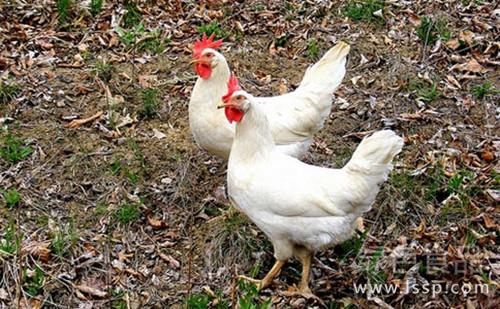
How does uniformity in broiler breeders affect broiler performance, and how can it be improved?
How uniformity affects broiler performance and how to improve broiler breeder uniformity
-
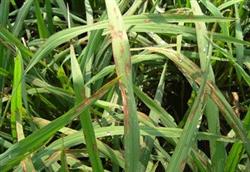
What diseases does chlorothalonil control? A full breakdown of its scope of application
What diseases does chlorothalonil control? How should chlorothalonil be used for the best effect? Experienced gardeners, please share your advice. Chlorothalonil is a non-systemic broad-spectrum fungicide and a low-toxicity fungicide that is now widely used. It works best when sprayed before disease occurs or when disease has just begun, for the best effect...
-
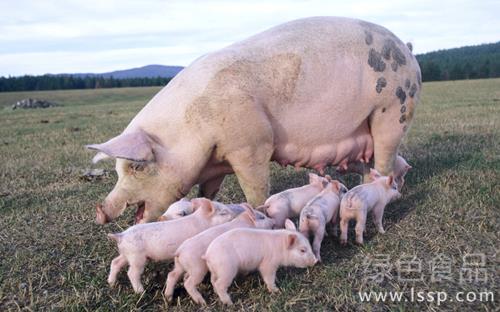
What to Do When a Sow Does Not Eat After Farrowing and Produces Little Milk, Causing Piglets to Become Thin
How to Solve a Sow Not Eating and Producing Little Milk and Piglets Becoming Thin: Sow Not Eating After Farrowing
-

Why does asparagus fern always turn yellow leaves? This is the culprit
For flower lovers who like growing asparagus fern, the most frustrating thing is yellowing and drying leaves! Chengcheng tells everyone: 80% of the reason asparagus fern turns yellow and dries out lies in watering! Because asparagus fern leaves are very small and thin, they cannot store much water,...
-
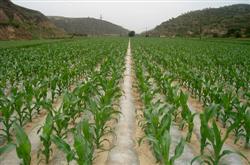
What effect does potassium fertilizer have on crops? Detailed explanation of the benefits of applying potassium fertilizer
What use is applying potassium fertilizer to crops? Please allow me to explain. Potassium fertilizer contains potassium, and potassium is an essential nutrient element for crops. Its main effects include the following aspects: 1. Potassium is an activator of more than 60 biological enzymes and can ensure the normal growth and development of crops. 2. Potassium promotes photosynthesis and can increase crops' absorption of carbon dioxide...
-
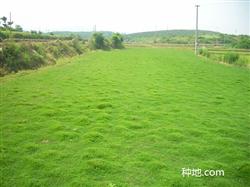
Why does spraying herbicides cause phytotoxicity?
Which types of herbicides should not be used on lawns? Seeking advice: try not to use the following lawn herbicides: 1. Herbicides with a long residual life, including imidazolinone herbicides such as imazethapyr, sulfonylurea herbicides such as metsulfuron-methyl, tribenuron-methyl, tribenuron-methyl, etc., and heterocyclic herbicides such as clomazone, etc. These types of herbicides have a relatively long residual life in the soil, and once used...
条件筛选