What to Do When a Sow Does Not Eat After Farrowing and Produces Little Milk, Causing Piglets to Become Thin
A sow not eating before and after farrowing is one of the common diseases during the lactation period, mainly referring to a sow having poor appetite or even completely refusing feed during lactation. Once this occurs, the sow's lactation function declines, suckling piglets develop diarrhea, their resistance weakens, growth is slow, and they may even become stunted pigs or die of exhaustion; or the sow becomes thin due to stubborn refusal to eat, comes into estrus poorly after weaning, or even if she can be mated, produces a low number of piglets, or fails to conceive after repeated matings.
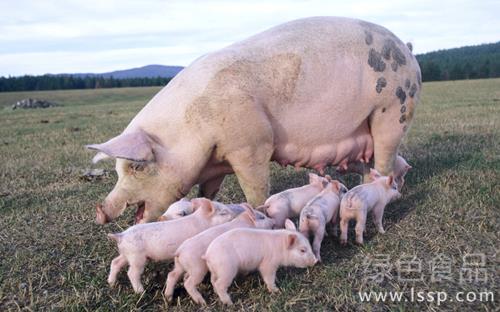
Sow
1. Causes. Gastrointestinal dysfunction caused by porcine reproductive and respiratory syndrome (blue ear disease) and circovirus is one of the main reasons sows do not eat. Mycotoxins aggravate blue ear disease and circovirus, causing dual infection. It is caused by nutritional imbalance, stress, insufficient water supply, poor water quality, improper postpartum care, and postpartum infection with pathogenic microorganisms.
2. Prevention and treatment. Strengthen sow feeding management and environmental control, prevent heat stress, keep clean and hygienic, maintain good ventilation, avoid startling the herd, and reduce noise. Regularly inspect the drinking water system and provide sufficient clean drinking water. Do good immunization work, with immunization as the leading measure, and strengthen disinfection work. Do not feed moldy or spoiled feed. For sows with few piglets born, repeated failure to conceive, and no estrus after farrowing, add Meiduqing to the feed to increase the farrowing rate and estrus rate. Strengthen prevention of blue ear disease and circovirus, and regularly feed Tuomeijing and Zengmian Paidu, once a month, for 5—7 consecutive days each time.
3. Difficulty breathing before and after farrowing in sows. Mainly characterized by abdominal breathing difficulty and not eating. It is recommended to focus on prevention: first, strengthen feeding management; second, add Tuomeijing (Meixi'an) to the feed; third, regularly add a—immunonucleic acid to enhance the sow's resistance and reduce circovirus.
4. Postpartum constipation in sows. After farrowing, a sow undergoes major physiological changes, especially after the digestive organs are relieved of compression and become abnormally active, their ability to absorb water in the intestines increases. If feeding management is improper, constipation is very likely to form. In severe cases, it causes not eating, abdominal distension, fever, and "abacus bead"-like feces, and lactation stops, seriously affecting piglet development.
5. Prevention and treatment methods:
(1) Increase the sow's activity level to promote digestion; (2) From 15 to 10 days before and after farrowing, feed more green, succulent feed; (3) From 7 to 10 days before and after farrowing, add 2 to 4% vegetable oil to the feed to increase intestinal lubrication; (4) Add more bran to the feed; bran is rich in phytate phosphorus and has a mild diarrhea effect; (5) Add to the feed: a Chinese patent medicine that increases lactation, to reduce constipation and enhance the sow's resistance, increase milk production, improve milk quality, and reduce piglet diarrhea; (6) When feeding after farrowing, do not give a large amount at once; it should be increased gradually until normal feed intake resumes; (7) Fever easily causes constipation. When a sow has a fever, treat it promptly and cure it quickly.