How does uniformity in broiler breeders affect broiler performance, and how can it be improved?
The level of flock uniformity is an important indicator of how well broiler breeders are growing and is one of the main factors affecting broiler breeder performance. Based on the level of broiler breeder uniformity, one can predict the flock's uniformity at the start of laying, egg production rate, peak laying period, egg weight uniformity and flock survival rate. To improve broiler performance, attention should be paid to flock uniformity starting from the first week.
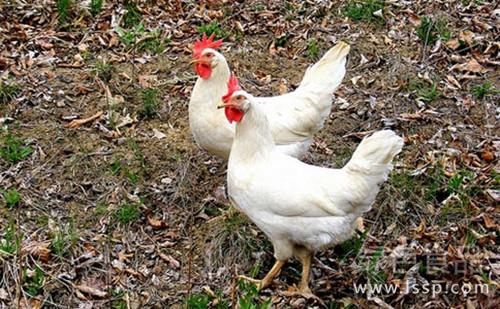
Broiler breeders
I. Create a good rearing environment:
The temperature should be even, and the temperature difference between day and night should not be too large; it must be controlled within 3°C. The temperature must meet requirements, and especially the relative humidity in the first 3 days should be above 65% to avoid early dehydration of the chicks; ventilation should also be emphasized to ensure air quality, and the ventilation volume should be determined according to the age of the chickens.
II. Provide water and feed at the right time, and add vitamins:
After chicks that have undergone long-distance transport are placed in the house, they should be given water and feed at the same time to relieve transport stress. Thirty minutes before the chicks arrive, place the drinkers and feed evenly, and feed should be given in small amounts and frequently; feed 6—8 times a day for the first four days, then gradually reduce the number of feedings to promote the development of the chicks' intestines and immune system and strengthen the gizzard. Laying bedding paper in the brooding area for the first 3 days helps early feeding. Experience has shown that chicks that receive feed and water earlier grow better in the early stage and have higher body weight uniformity than chicks given feed later.
Before 14 days of age, because the house temperature is high, the air is dry, and the chicks' water intake and feed intake are small, the digestive organs are still in the developmental stage, the amount eaten each time is limited, and at the same time the ability to secrete digestive enzymes is not yet fully developed, so digestive capacity is poor. During this period, supplementing drinking water with a nano-microemulsion compound vitamin premix provides high nutrient concentration, good palatability, easy digestion and absorption, and a very good starter effect.
III. Cultivate early appetite:
If the chicks do not develop a good appetite in the first 4 days, it easily causes poor uniformity; during the first 96 hours, they should be fed crumbled pellets, but not too fine.
IV. Select chicks:
Through observation of feeding and drinking, pick out those chicks that cannot get to the feed and feed them carefully with separate care; check the crop 2 hours after drinking and feeding to see how the chickens are drinking and eating; if after 4 hours of water and feed there are still chickens that have not fully drunk water or eaten feed, check the lighting, drinker height, feeding and drinking positions, etc. At the same time, chicks need to be vaccinated against several vaccines in the first week. For example, at the first vaccination against infectious bronchitis, weak chicks can also be picked out at the same time and fed separately; at the time of vaccination on days 3—5, they can also be selected by feel and crop and raised separately.
V. Provide sufficient effective feeder and drinker space:
Pay attention to even distribution of feeder and drinker space, and try to ensure that chicks can reach feed and water within 1 meter 24 hours a day. As the days of age increase, gradually increase the number of feed pans and drinkers.