-
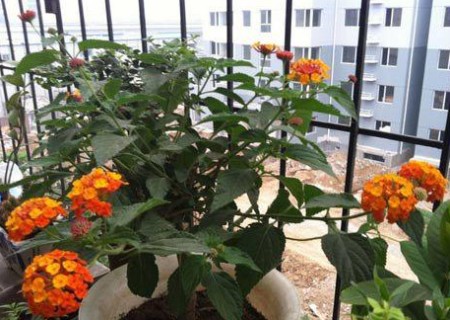
How long does it generally take for Lantana camara to bloom after cuttings?
Lantana camara likes a high-temperature and high-humidity growing environment, and is mostly propagated through cuttings. The cuttings used for lantana can be made from 1-year-old branches or from perennial old branches. Using these two types of branches as cuttings makes them both very easy to root, except that after the two are propagated separately
-
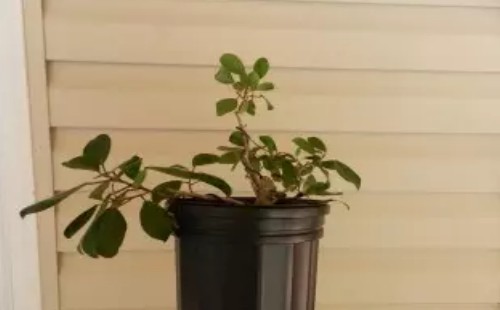
How long does it take for a banyan (Ficus) cutting to root? With method illustrated
Banyan bonsai is deeply loved by bonsai enthusiasts for its extremely high ornamental value, and there are also many methods for propagating young plants. Taking cutting propagation alone, there are several ways, such as approach grafting to thicken, combined planting cuttings, multi-branch combined cuttings, and direct old-trunk cuttings.
-
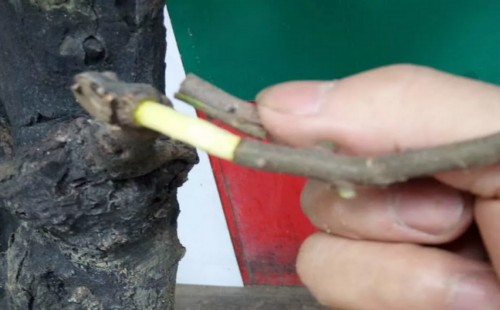
How long does it generally take for Chinese sweet plum (Sageretia thea) air layering to root?
Air layering is a very efficient means of obtaining small bonsai stock. For tree species like Chinese sweet plum (Sageretia thea) when cultivating raw stock, it often achieves twice the result with half the effort. This is mainly because propagating small Chinese sweet plum bonsai stock through air layering has a very fast rooting speed, making it easy to obtain stock that can be transplanted into pots. So
-
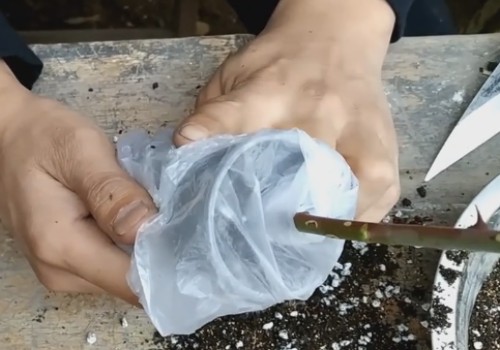
How long does it take for rose air layering to root?
Ground-planted roses often produce a great many basal shoots. In spring, we can transplant the rose into a flower pot. Then let it grow in the pot for one year, and when the basal shoots grow to 2 cm in thickness, we can cut off the surplus branches for air layering propagation, and grow them into tall standards for grafting to improve new varieties
-
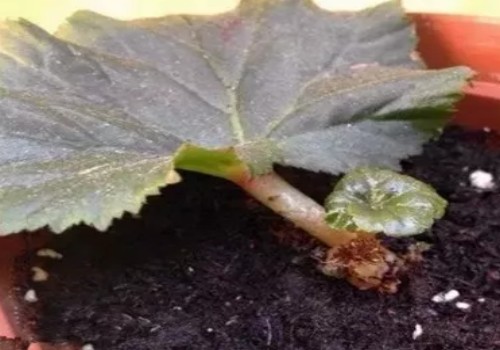
How long does it take for Rieger begonia cuttings to root? Master the method to root faster
Rieger begonia not only grows lush branches and green leaves, but also has large, brightly colored flowers, and its blooming period is especially long. With proper pot cultivation, it may even bloom all year round, making it a rare flowering plant suitable for indoor pot growing. Moreover, Rieger begonia is relatively easy to propagate, mostly done through cuttings
-
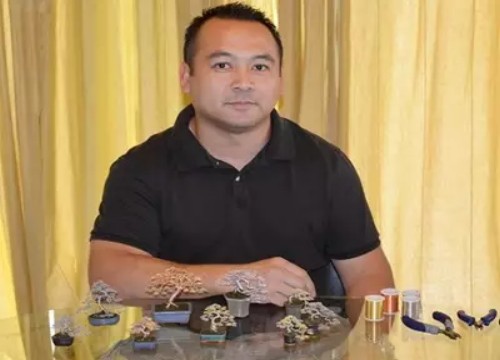
How do you practice miniature bonsai? Check out how this foreigner does it
They say art knows no borders. Take a look at this bonsai artist named Ken from Fresno, California. He discovered his passion for bonsai in 2007 and is devoted to miniature bonsai. He adopted a radical styling philosophy and a natural aesthetic eye, which quickly made his works popular in the bonsai world.
-
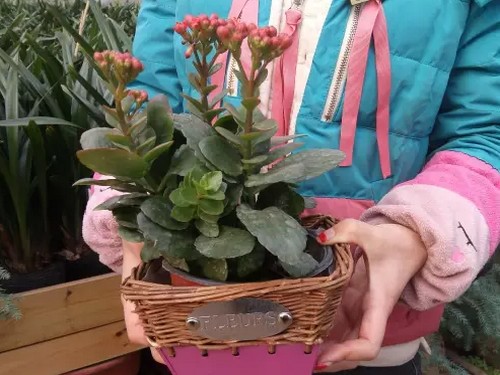
Reasons Why Kalanchoe Doesn't Bloom and How to Fix It
Although Kalanchoe has always been given as a gift to elders because of its auspicious name (I've given several pots to the elderly folks in my family too), it actually has a rather elegant name as well - Christmas kalanchoe, because it blooms near Christmas. I always feel this name suits its cute appearance better.
-
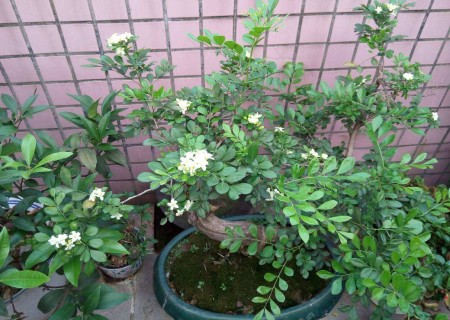
Will a potted Orange Jessamine (Murraya paniculata) bloom? Reasons it does not bloom and how to fix it
Orange Jessamine stays evergreen year-round, with a neat tree shape, intensely fragrant and long-lasting flowers, and beautiful pure-white color. It is suitable for both ground planting and container growing. Thanks to its fine leaves, exposed roots, thick trunk, tolerance to pruning and long lifespan, it is an ideal material for developing stump bonsai. So, will the potted Orange Jessamine you keep at home bloom?
-
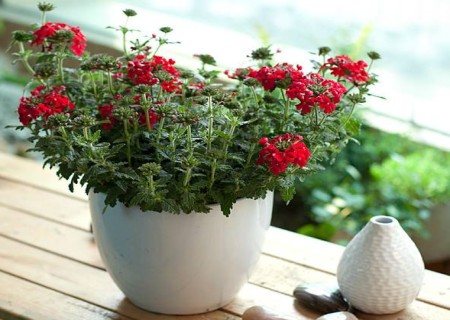
Reasons Why Potted Verbena Does Not Bloom and How to Extend Its Blooming Period
Every flower lover probably dreams of a plant bursting into a full pot of blooms! Especially when admiring the huge flower balls that expert growers cultivate! But you don't need to envy those big flower balls, fellow flower lovers. Some plants, even if small, when they truly burst into bloom, are no less impressive than other flowers! Verbena comes in rich colors and has a long blooming period.
-
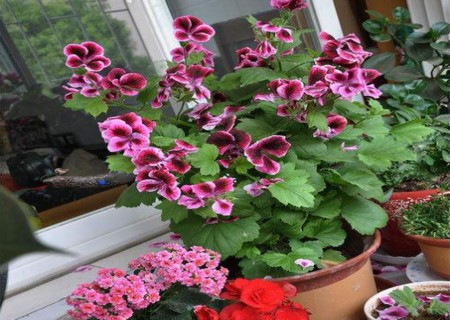
When does the butterfly pansy bloom? Solutions for when it does not bloom
The butterfly pansy belongs to the Violaceae family and is a common perennial herbaceous flower, usually grown as a biennial. Each flower typically has three colors (or purple), yellow and white, which is why its scientific name is pansy (Viola tricolor). The flowers of the butterfly pansy are bilaterally symmetrical, and the lower petals have a backward-extending spur, making the whole flower resemble a butterfly flying with spread wings. Potted and placed indoors
条件筛选